
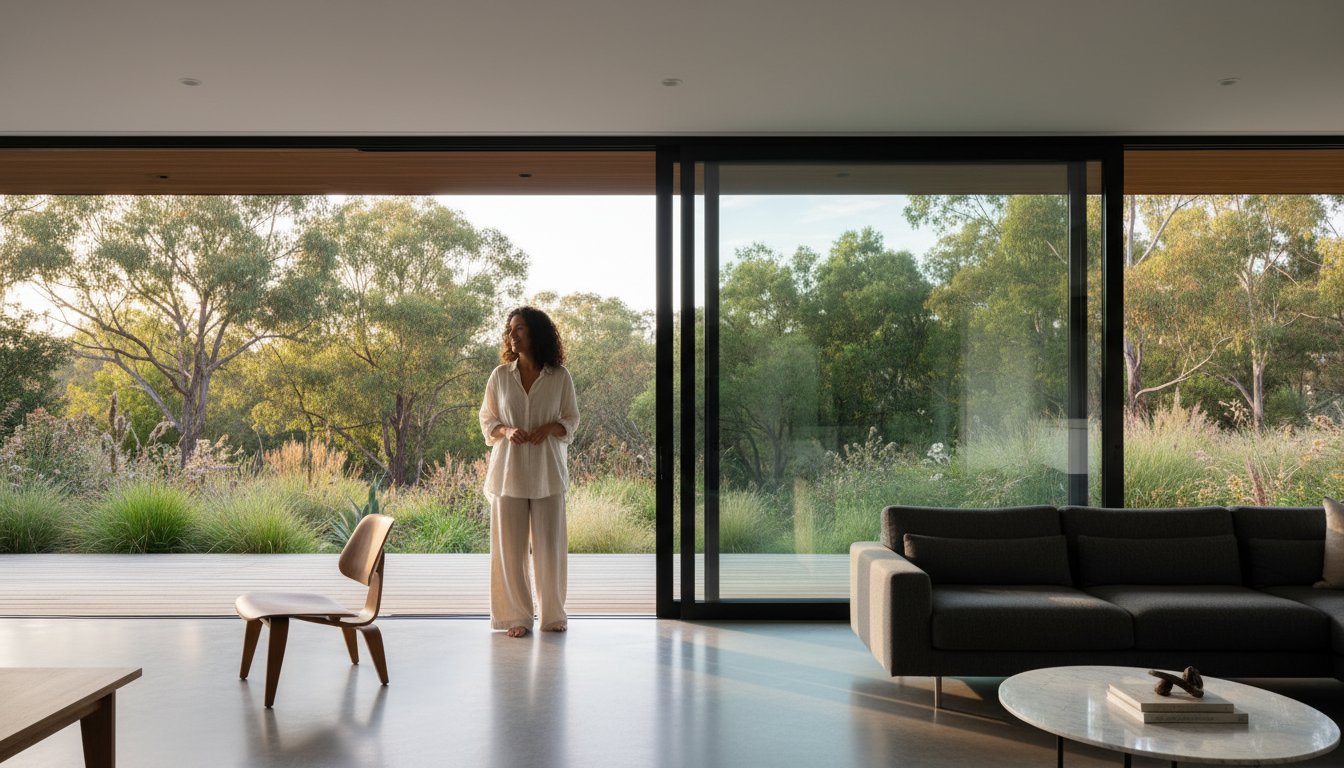
Choosing the right sliding glass doors involves more than just picking a style. You're faced with technical terms like 'U-values', deciding between aluminium or timber for Australian conditions, and ensuring your choice is secure and weather-resistant. For those managing a 'supply only' purchase, the pressure to measure correctly is a major concern. This confusion can make a straightforward project feel complicated and risky.
This guide cuts through the noise. Here, you will find clear, direct information to make a confident decision. We explain frame materials, break down glazing options for energy efficiency, and outline key security features. We also provide a simple, step-by-step process for measuring your opening accurately. Get the facts you need to select, measure, and order the perfect sliding glass door for your home, ensuring you get the quality and value you expect.
Key Takeaways
- Compare aluminium and timber frames to select the right material for your budget, climate, and maintenance needs.
- Understand key performance features like glazing and locking systems to improve your home's energy efficiency and security.
- Get accurate measurements for your new sliding glass doors with our step-by-step DIY guide, essential for a 'supply only' order.
- Clarify the 'supply only' process to understand exactly what's included when you order and how to prepare for delivery.
Anatomy of a Sliding Glass Door: Understanding the Core Components
A sliding glass door is more than a single panel of glass; it's an engineered system of interacting parts. Understanding the complete Anatomy of a Sliding Glass Door is key to selecting the right product for your shed or garage. The three core components-the frame, the glass, and the hardware-each play a critical role. Your choices for these components directly impact the door's performance, durability, security, and final cost.
This video provides a clear visual breakdown of how these components work together in a modern sliding door system:
Frame Materials: The Foundation of Your Door
The frame provides the structural integrity and contributes significantly to insulation. In Australia, the most common materials for sliding glass doors are:
- Aluminium: Lightweight, durable, and low-maintenance. A cost-effective and popular choice for sheds and garages.
- Timber: Offers a classic aesthetic but requires regular maintenance to protect against Australian weather conditions.
- uPVC (Unplasticised Polyvinyl Chloride): Provides excellent thermal insulation and is highly durable and low-maintenance.
The frame material is the primary factor determining the door's overall look and long-term upkeep requirements.
Glass & Glazing Options: More Than Just a Pane
Glazing refers to the glass package installed within the frame. The type of glazing you choose affects insulation, safety, and security.
- Single vs. Double Glazing: A single pane of glass offers basic function, while double glazing (two panes with a sealed air gap) provides superior thermal and acoustic insulation.
- Toughened Glass: A safety glass that shatters into small, blunt pieces. Required by Australian Standards for all doors.
- Laminated Glass: Two sheets of glass bonded with an interlayer, offering enhanced security as it holds together when broken.
- Low-E Coatings: A microscopic metallic coating that reflects heat, helping to keep your space cooler in summer and warmer in winter.
Hardware & Tracks: The Key to Smooth Operation
The operational components are critical for a door that lasts. High-quality hardware ensures smooth, reliable function for years.
- Rollers & Tracks: Heavy-duty, adjustable rollers and a durable track are essential for effortless sliding and longevity. Poor quality rollers are a common point of failure.
- Locks & Handles: Options range from simple latch locks to key-operated mortice locks for enhanced security.
- Weather Seals: Quality brush or rubber seals around the frame are vital for preventing drafts, dust, and water from entering your shed or garage.
Choosing the Right Frame Material: Aluminium vs. Timber
Selecting the frame material for your shed or garage's sliding glass doors is one of the most critical decisions you'll make. The frame dictates not just the look, but also the long-term durability, maintenance requirements, and overall cost. In Australia, the choice typically comes down to two proven materials: modern aluminium and classic timber.
Aluminium Frames: Modern, Durable, and Low Maintenance
Aluminium is a popular choice for its strength, slim profiles, and excellent resistance to Australian weather conditions. Its key benefits include:
- Durability: Aluminium does not rust, warp, or rot, making it an ideal low-maintenance option for coastal and high-humidity areas.
- Slim Profiles: Its inherent strength allows for thinner frames, maximising the glass area and your view.
- Finishes: Standard finishes include powder coating in a wide range of colours to match your property or anodising for a highly durable metallic finish.
For improved energy efficiency, look for aluminium frames with a 'thermal break'-a non-metal barrier between the interior and exterior frame components. This feature significantly reduces heat transfer. Understanding the technical specifications is crucial, and the Australian Government provides excellent resources on the Key Performance Features of glazing systems to help you make an informed choice.
Timber Frames: Classic Aesthetics and Natural Insulation
Timber frames offer a timeless, warm aesthetic that complements traditional and rustic-style homes. As a natural material, it provides excellent insulation against heat and cold. Common timber types used for sliding glass doors in Australia include durable Meranti and Western Red Cedar. However, this classic look comes with specific maintenance obligations. To protect the wood from moisture and pests, timber frames require regular painting, staining, or sealing, especially in exposed locations.
Which Material is Right for Your Home? A Quick Comparison
To simplify your decision, here is a direct comparison of the key attributes for each material.
| Attribute | Aluminium | Timber |
|---|---|---|
| Cost | Generally lower upfront cost | Higher upfront cost, plus ongoing maintenance costs |
| Maintenance | Minimal; occasional cleaning | Regular painting, staining, or sealing required |
| Durability | Excellent; resistant to rust, corrosion, and pests | Good, but requires maintenance to prevent rot and insect damage |
| Insulation | Good (standard) to Excellent (with thermal break) | Excellent natural insulation properties |
Choose Aluminium if: You need a cost-effective, low-maintenance solution with a modern look that can withstand harsh weather, particularly in coastal regions.
Choose Timber if: You prioritise classic aesthetics and superior natural insulation, and are prepared for the ongoing maintenance required to keep it in top condition.
Key Performance Features to Consider Before You Buy
Beyond the frame material, the functional performance of your shed or garage door determines its long-term value. The right features directly impact your comfort, security, and energy costs. Use this checklist to assess the key performance aspects of any sliding glass doors before making a final decision.
Energy Efficiency: Glazing, Seals, and U-Values
An uninsulated shed or garage can become extremely hot or cold. A door with good thermal performance helps regulate the temperature inside, protecting stored items and making the space more usable. Key ratings to check include:
- U-value: Measures how well the door prevents heat from escaping. A lower U-value means better insulation.
- SHGC (Solar Heat Gain Coefficient): Measures how well the door blocks heat from the sun. In most of Australia, a lower SHGC is better to keep your space cool.
Achieving low ratings comes from features like double glazing (two panes of glass with a sealed air gap) and Low-E (low-emissivity) coatings that reflect heat. For reliable performance data, look for products that comply with standards set by the Australian Glass & Window Association (AGWA). Finally, check for high-quality, full-perimeter weather seals to ensure an airtight fit that stops drafts and dust.
Security: Locks, Interlocks, and Screens
Security is critical, especially if you store valuable tools or equipment. Standard latches offer minimal protection. For better security, consider these features:
- Multi-Point Locks: Instead of a single latch, these systems secure the door to the frame at multiple points, making it much harder to force open.
- Interlocks: These are metal extrusions where the sliding and fixed panels meet. They lock together when the door is closed, preventing the panels from being pried apart or lifted off their tracks.
- Screen Options: Most doors can be fitted with a fly screen for ventilation or a heavy-duty security screen for an extra layer of protection.
Door Configuration: Stacking vs. Standard Sliding
The configuration of your sliding glass doors dictates how wide your opening can be. The two most common options for sheds and garages are:
- Standard Sliding: Features two panels, where one panel slides behind the other fixed panel. This is a cost-effective and space-efficient solution for typical doorway sizes.
- Stacking Door: Consists of three or more panels, where multiple panels slide and stack behind a single fixed panel. This creates a significantly larger opening-up to two-thirds of the total width-ideal for moving large items or creating an indoor-outdoor flow. Stacking systems typically come at a higher cost.
How to Measure for a New Sliding Glass Door: A DIY Guide
As a supply only service, providing accurate measurements is the most critical step in ordering your new shed or garage door. An incorrect measurement can lead to delays and additional costs. The process is straightforward, and this guide ensures you get it right the first time. Taking a few extra minutes to be precise guarantees a perfect fit for your made-to-order door.
Essential Tools for the Job
Before you begin, gather the necessary equipment. Having the right tools makes the job simple and accurate. We recommend measuring at least twice to confirm your numbers before placing an order.
- Steel Tape Measure: For precise length readings.
- Level: To check if your opening is plumb and level.
- Notepad & Pen: To record your measurements clearly.
Note: All measurements should be taken in millimetres (mm), which is the industry standard in Australia.
Step-by-Step: Measuring Your Door Opening
To ensure your new sliding glass doors fit perfectly, measure the structural opening, not the old door or frame. Follow these steps:
1. Measure the Width
- Measure the width of the opening at the top.
- Measure the width again in the middle.
- Measure the width a final time at the bottom.
- Use the smallest of these three measurements as your final width.
2. Measure the Height
- Measure the height of the opening on the left side.
- Measure the height again in the centre.
- Measure the height a final time on the right side.
- Use the smallest of these three measurements as your final height.
3. Check for Square
Measure the opening diagonally from the top-left corner to the bottom-right. Then, measure from the top-right corner to the bottom-left. If the two measurements are the same, your opening is square. If they differ slightly, it is still acceptable, but a large difference may indicate structural issues that need addressing before installation.
Common Mistakes to Avoid
Avoid these common errors to ensure a smooth ordering and installation process:
- Measuring the Old Door: Always measure the rough structural opening where the new door will be installed, not the old door panel or frame itself.
- Forgetting Flooring: Account for the finished floor height. If you plan to add flooring later, make sure your height measurement allows for it.
- Ignoring Slide Direction: When ordering, specify whether the door should slide to the left or right when viewed from the outside.
With accurate measurements in hand, you are ready to select from our range of quality sliding glass doors.
Ordering Online: The 'Supply Only' Process Explained
At Door Supply, we operate on a ‘supply only’ business model. This is a direct-to-customer approach designed to give you access to high-quality, Australian-made products at the best possible prices. By focusing solely on manufacturing and delivery, we cut out the overheads associated with on-site measure-and-quote services and installation teams. This empowers savvy homeowners and builders to take control of their project and achieve significant cost savings.
What 'Supply Only' Means for You
Our model is straightforward: you provide the measurements, and we supply the custom-made product. You are responsible for the final installation. The primary benefit is a lower price point compared to full-service companies. While we don't offer on-site services, our expert team is always available via phone or email to answer any technical questions you may have about our products, ensuring you have the support you need to order correctly.
Customising Your Door and Placing an Order
Our online ordering system makes it simple to specify the exact requirements for your new sliding glass doors. The process puts you in complete control of the final product. Key customisation options include:
- Exact Dimensions: Input your precise height and width for a perfect fit.
- Frame Colour: Choose from a wide range of popular Colorbond® colours to match your shed or garage.
- Glass Type: Select from options like standard toughened safety glass or laminated glass for added security.
- Hardware: Specify your preferred handle and lock configurations.
Because every door is proudly Australian made to order, please allow for standard manufacturing lead times, typically around two to three weeks from payment to dispatch.
Preparing for Delivery and Finding an Installer
Your door will arrive fully assembled and protected for transport. Be aware that glass doors are heavy and bulky; we strongly recommend having at least two capable people on-site to receive the delivery and move the unit safely. For installation, we suggest contacting a qualified local carpenter, builder, or experienced handyman. They will have the tools and expertise to ensure your door is fitted securely and operates smoothly for years to come.
Ready to start designing the perfect door for your space? View our range of sliding glass doors.
Finalising Your Purchase: Key Takeaways
This guide has provided the technical details needed to make an informed decision. The most critical steps are selecting the right frame material for your climate and usage-whether durable aluminium or classic timber-and understanding key performance features. Most importantly, accurate self-measurement is the foundation of a successful 'supply only' purchase, ensuring your new door fits perfectly upon arrival.
Armed with this knowledge, you are equipped to confidently select the ideal sliding glass doors for your project. At Door Supply, we focus on delivering quality directly to you. Our doors are Proudly Australian Made and custom-made to your exact measurements. With a streamlined online ordering process and reliable nationwide delivery to major Australian cities, your project is in good hands.
Take the next step. Browse Our Australian-Made Sliding Glass Windows to view specifications and finalise your order.
Frequently Asked Questions
What is the standard size for a sliding glass door in Australia?
Standard heights for sliding doors in Australia are typically 2100mm or 2400mm. Common widths for a two-panel configuration include 1800mm, 2100mm, and 2400mm. For non-standard openings in sheds or garages, custom sizes are often required. We supply a range of standard and made-to-order doors to fit your specific structural opening. Always measure your opening carefully before ordering to ensure a correct fit, as custom products are made to your specifications.
How much do new sliding glass doors typically cost?
The cost of new sliding glass doors varies based on size, frame material, and glazing type. A standard, off-the-shelf aluminium sliding door can start from A$800 to A$1,500. For larger sizes, timber frames, or doors with double glazing, expect to pay between A$1,800 and A$3,500 or more. These prices reflect supply only; installation is a separate cost. Always check product specifications to ensure you are getting the best value for your requirements.
Are aluminium or timber sliding doors better for coastal areas?
Aluminium is the superior choice for coastal applications. It is highly resistant to corrosion and moisture and will not warp or rot when exposed to salt spray. A quality powder-coated finish provides an additional layer of protection, ensuring long-term durability with minimal maintenance. While timber offers a specific aesthetic, it demands regular and rigorous maintenance like sealing and painting to prevent deterioration in a harsh coastal environment, making aluminium the more practical option.
Can I install a sliding glass door myself?
Installation can be a DIY project if you have the right tools and advanced carpentry skills. As a supply-only service, we provide the door and hardware, but installation is the buyer's responsibility. The door must be installed perfectly plumb, level, and square to function correctly and prevent leaks. If you are not completely confident in your ability to handle a heavy and precise installation, we strongly recommend hiring a qualified carpenter or glazier to ensure it is done correctly.
What is double glazing and is it worth the extra cost?
Double glazing consists of two glass panes separated by a sealed gap filled with air or argon gas. This design provides superior thermal insulation, helping to keep your shed or garage warmer in winter and cooler in summer. It also offers a significant reduction in outside noise. While the upfront cost is higher, double glazing is a worthwhile investment if you use the space as a workshop, home office, or studio, as it improves comfort and can reduce energy costs.
How can I improve the security of my existing sliding glass door?
You can significantly improve security with a few key upgrades. Installing a key-operated lock or a secondary deadbolt provides a much stronger locking point than a standard latch. A simple but effective method is placing a security bar or a cut-to-fit piece of dowel in the bottom track to prevent the door from being forced open. For added protection against glass breakage, consider applying a shatter-resistant security film to the panes.