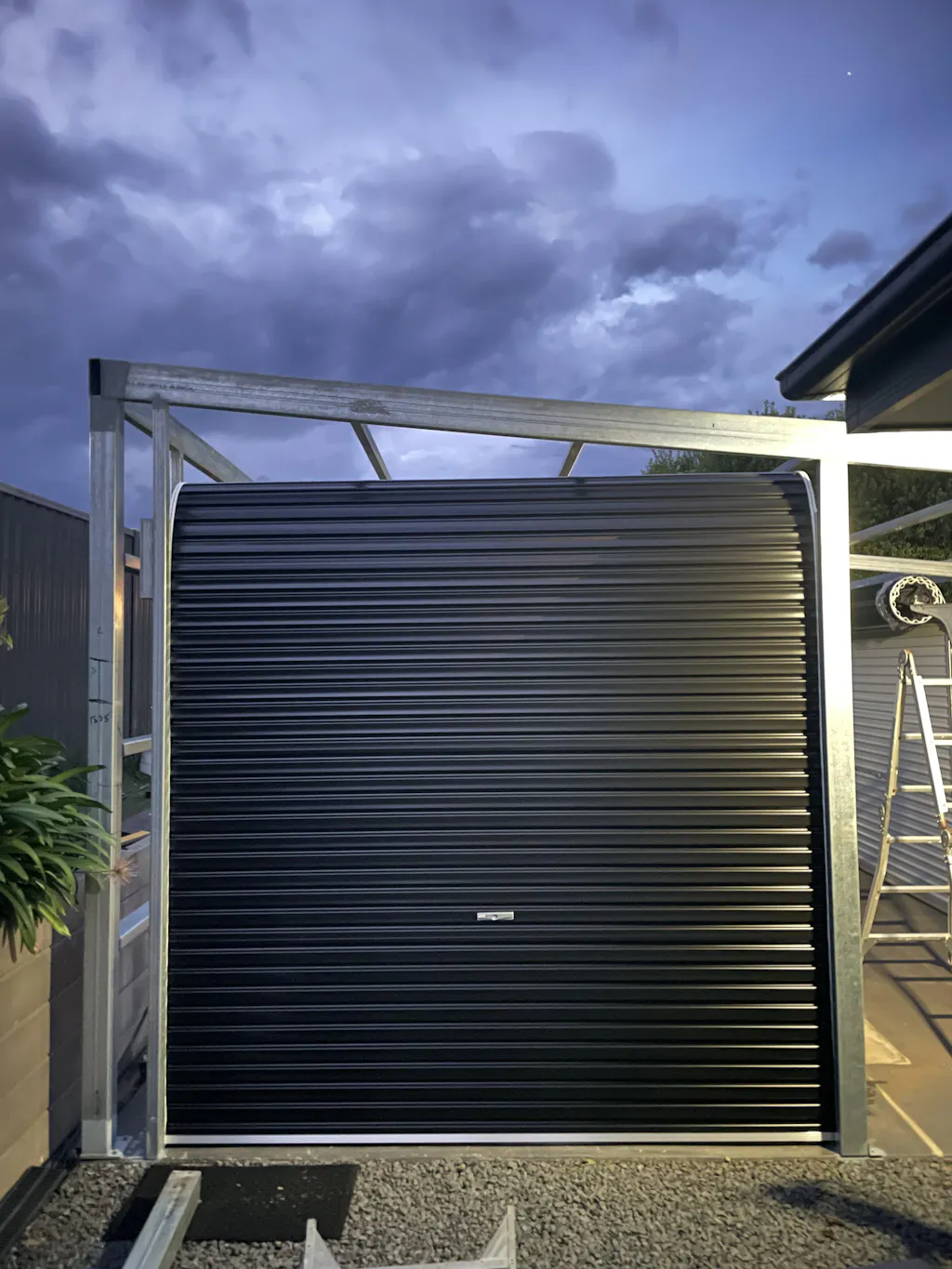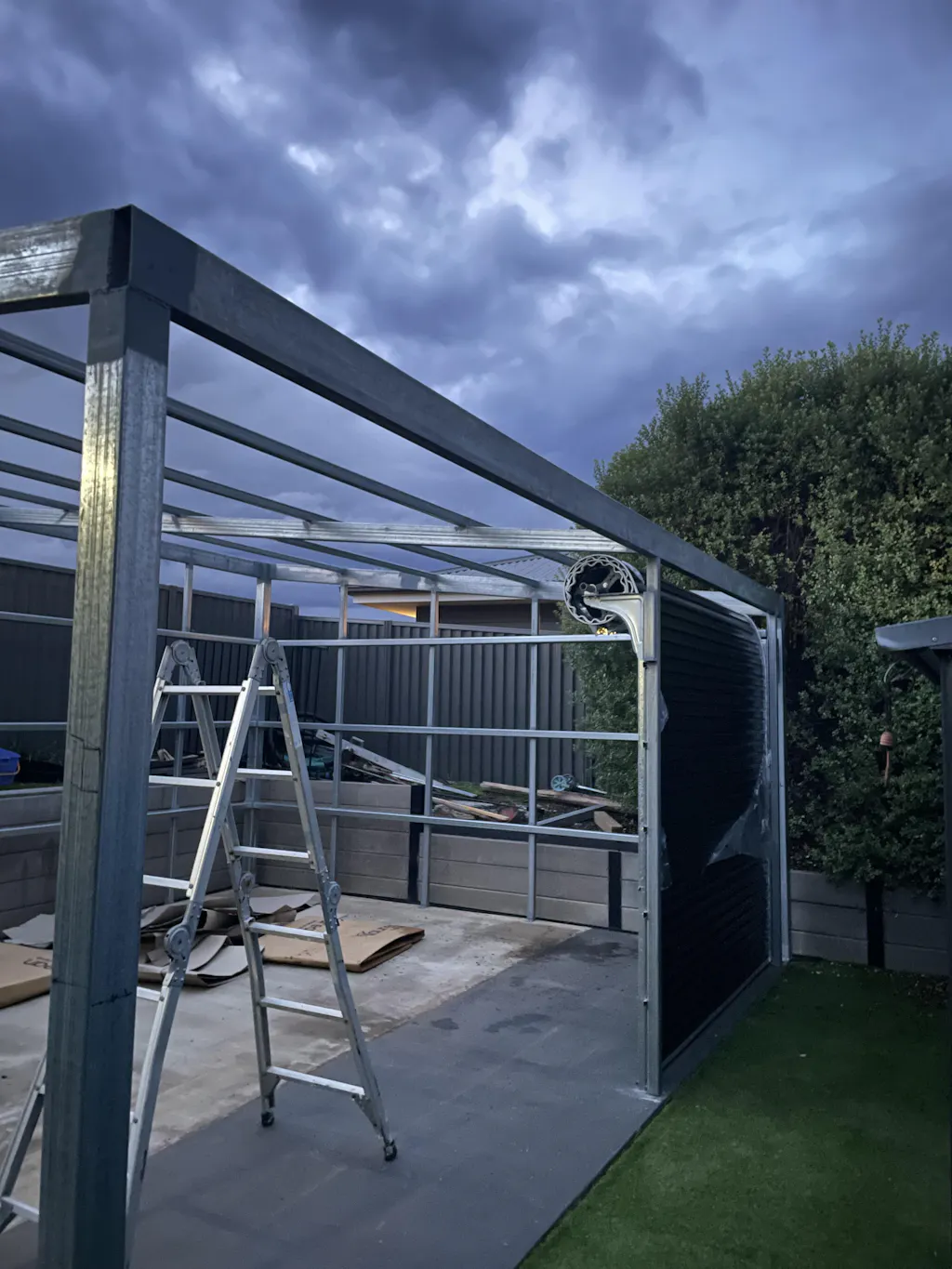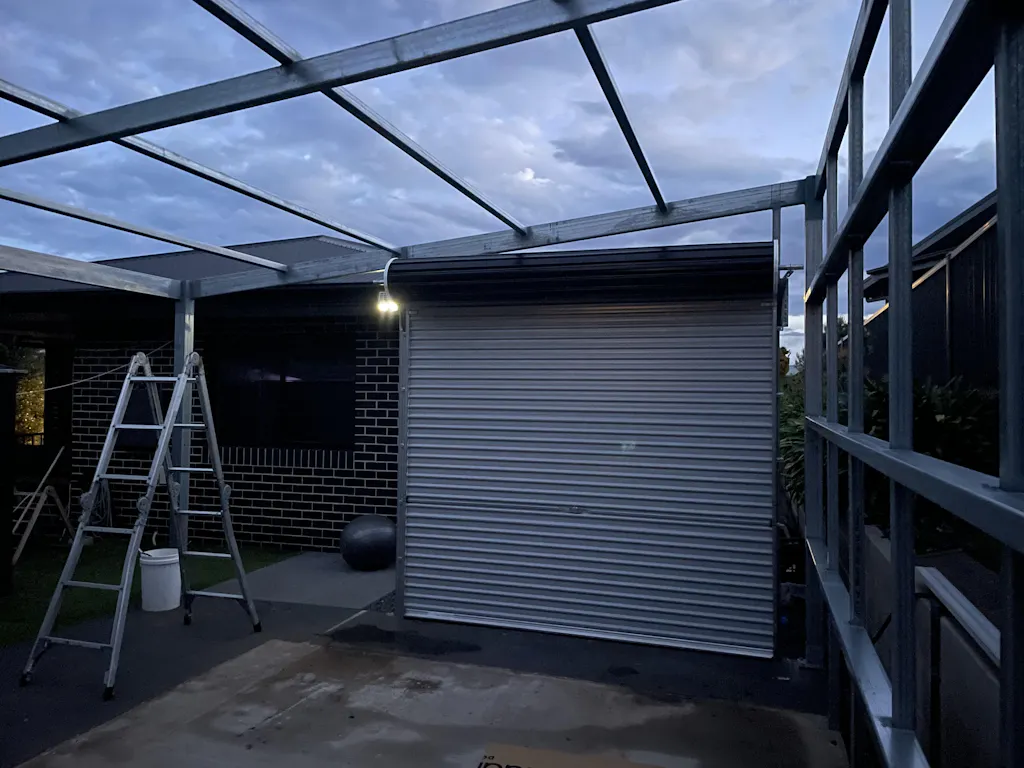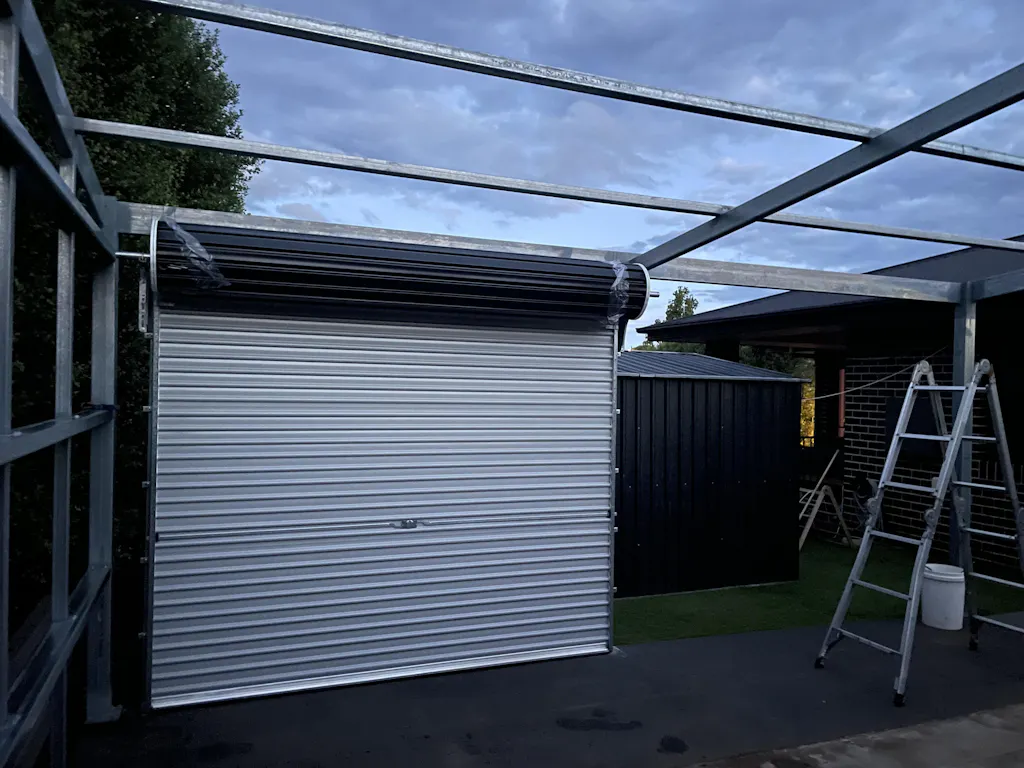
Choosing the right garage door sizes is more important than ever for Australian homes in 2026. With changing vehicle trends and evolving family needs, an ill-fitting garage door can cause daily frustration, wasted space, and limited access.
Selecting the perfect garage door sizes brings real benefits. It improves your home’s functionality, enhances kerb appeal, and helps you prepare for larger vehicles or extra storage in the future.
This guide will give you the confidence to choose the ideal garage door sizes for your property. You will find expert insights, practical tips, and the latest size standards. We will cover standard dimensions, measurement advice, door types, key considerations, and solutions for unique spaces.
Why Garage Door Size Matters in 2026
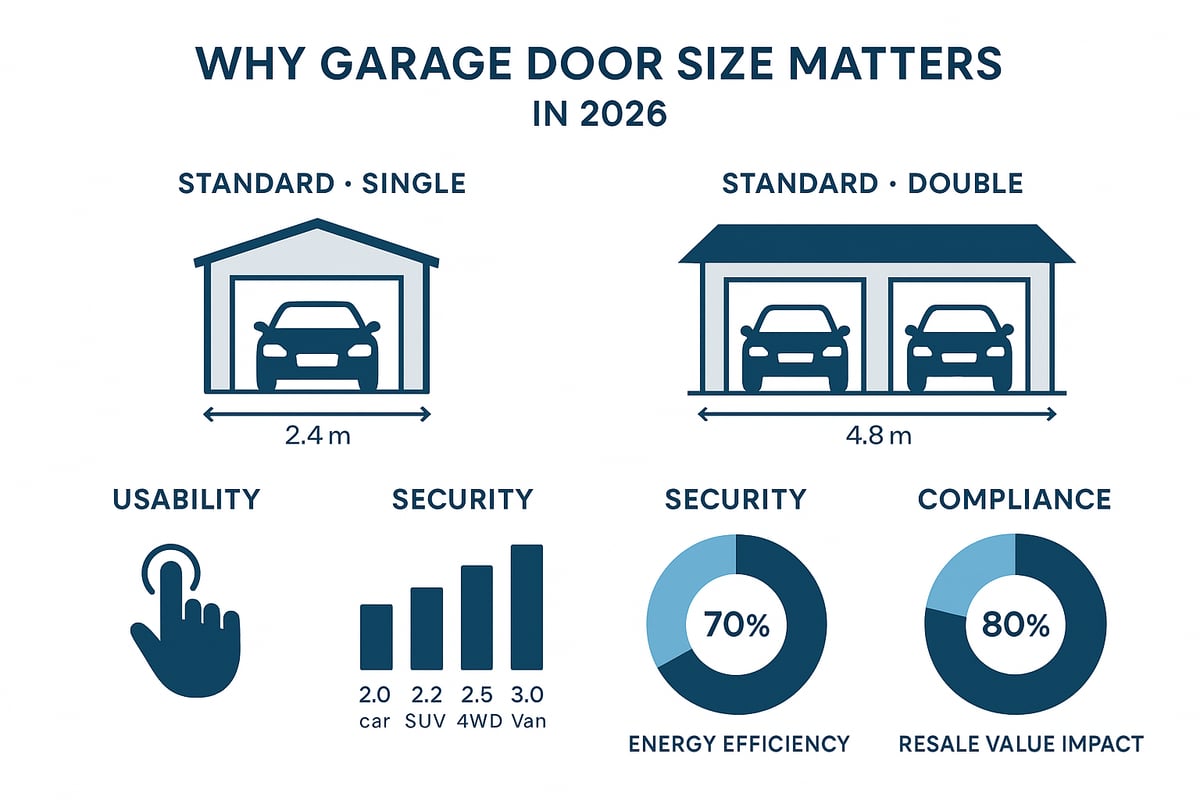
Choosing the right garage door sizes is more important than ever for Australian homeowners, renovators, and builders in 2026. The dimensions of your garage door directly affect how you use your property every day, from parking and storage to safe entry and exit. An ill-fitting door can make daily routines frustrating, while a well-sized door can add lasting value and convenience.
Modern vehicles are getting larger, and many Australian families now own SUVs, utes, or vans that require more generous garage door sizes. As lifestyles change, so do storage needs. Home gyms, workshops, and extra storage often compete for space. Selecting the proper door size ensures you have enough clearance for all your current and future needs.
| Type | Standard Width (mm) | Standard Height (mm) | Custom Heights (mm) |
|---|---|---|---|
| Single Garage Door | 2400 | 2200 | Up to 3100 |
| Double Garage Door | 4800 | 2200 | Up to 3100 |
Australian standards reflect these changes. Most single garage doors are 2400mm wide and 2100mm high, while double doors are typically 4800mm wide. However, builders report a steady increase in demand for doors up to 3000mm tall, especially for families with roof racks or larger vehicles. When planning garage door sizes, always account for extra clearance to avoid future headaches.
Energy efficiency is another key factor. Thicker, insulated garage doors help maintain indoor temperatures and reduce energy bills. They also offer better noise protection and weather resistance. Choosing the right size means you can opt for these energy-saving features without compromising on fit or function.
Daily usability is often overlooked until problems arise. A garage with undersized doors can make parking stressful, especially if you have a wide car or multiple vehicles. Homeowners frequently mention the frustration of scraping mirrors or struggling to open car doors in tight spaces. By selecting optimal garage door sizes, you’ll enjoy smoother parking, safer storage, and easier access for bikes, tools, or garden equipment.
Incorrect sizing can also have a financial impact. Installing a garage door that is too small or too large for your opening can lead to higher installation costs, more frequent repairs, and ongoing maintenance issues. Over time, poor sizing may decrease your satisfaction with the property and even affect resale value.
Real estate agents and builders agree that well-chosen garage door sizes are a strong selling point. Properties with ample, well-designed garages attract more buyers and achieve higher prices. The garage is often the first thing people see from the street, so the right size can improve kerb appeal and make your home stand out.
Compliance with local building codes and regulations is essential. Councils may have rules about minimum and maximum garage door sizes, especially in new developments or heritage areas. Always confirm the latest standards for your state or territory before making a decision. For a comprehensive overview of standard, double, and custom garage door sizes, see the Garage Door Sizes Explained by Steel-Line guide.
To sum up, garage door sizes influence almost every aspect of your property’s use and value. From daily convenience and energy efficiency to future-proofing and resale, the right choice will pay off for years to come. Take the time to consider your needs and stay informed about the latest trends and standards in garage door sizes.
Standard Garage Door Sizes in Australia for 2026
Selecting the correct garage door sizes is essential for both function and appearance in Australian homes. As we move into 2026, understanding the latest standards and options ensures you make informed choices that suit your property, vehicles, and lifestyle.
A well-chosen garage door not only maximises convenience but also future-proofs your home for changing needs. Below, we break down the most common garage door sizes, key variations, and modern considerations for Australian buyers.
Single Garage Door Sizes
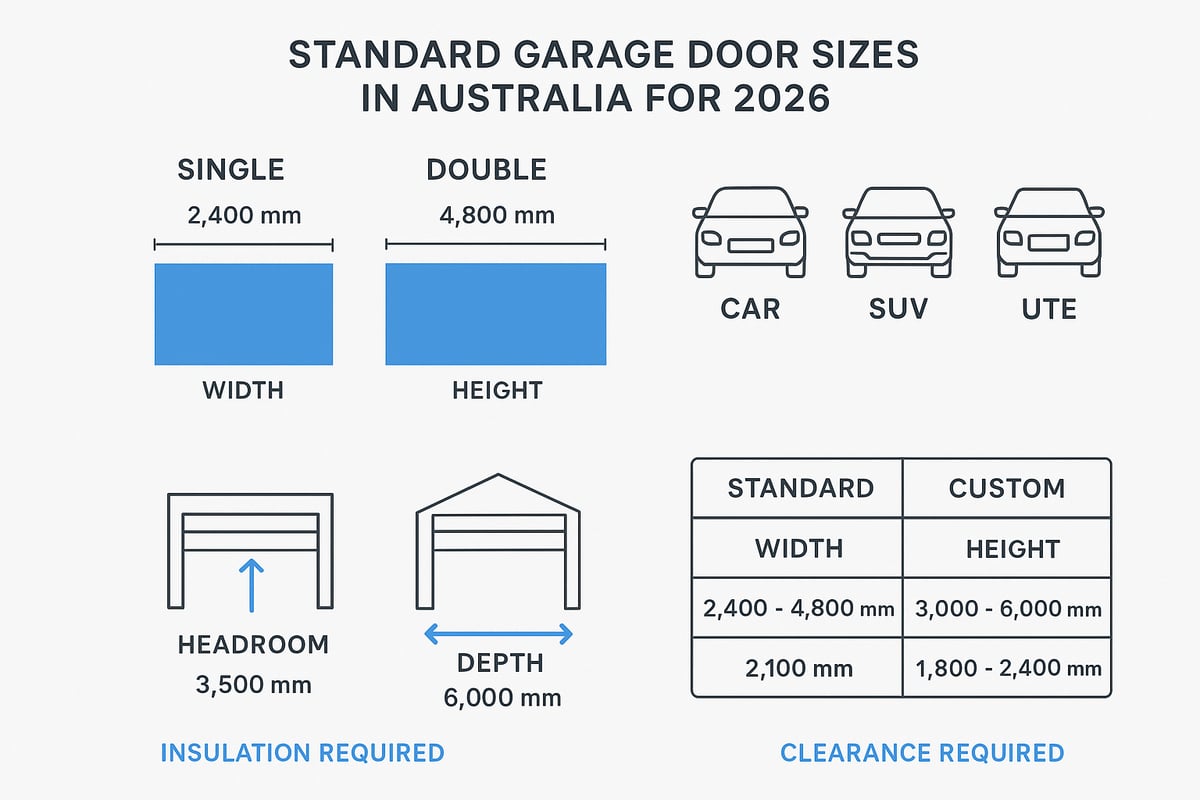
Single garage door sizes remain the most popular choice for homes with one vehicle or where space is at a premium. The standard dimension for single doors is 2100mm high by 2400mm wide. However, with the growing diversity of vehicles, custom sizes are becoming increasingly common—heights can reach up to 3000mm and widths up to 5500mm.
Manufacturers may have slight variations in their standard offerings. For example, B&D, Steel-Line, and Door Supply each provide a range of single garage door sizes, allowing flexibility for different property layouts and vehicle types. For a detailed breakdown of options, the Domestic roller door sizes page offers a clear overview.
Choosing a slightly larger single door can be a smart investment. With the average Australian car now around 1900mm wide, extra clearance ensures easy access, especially for SUVs or vehicles with roof racks. Always factor in side clearance and headroom, as these are vital for smooth operation and future upgrades.
- Standard single: 2100mm x 2400mm
- Custom options: Up to 3000mm high, 5500mm wide
- Average car width: ~1900mm (extra clearance recommended)
- Consider side clearance and unobstructed headroom
Double Garage Door Sizes
Double garage door sizes are increasingly favoured in new builds and renovations, offering flexibility for two vehicles or additional storage. The standard double door measures 2100mm high by 4800mm wide, although custom options can extend up to 5500mm wide for larger family vehicles or workshops.
Homeowners often face the choice between a single double door and two separate single doors. A single double door provides a wider, seamless entry, which is convenient for larger vehicles and easier automation. On the other hand, two single doors can enhance the facade and improve energy efficiency by minimising heat loss.
Popular brands such as B&D and Steel-Line supply a range of double garage door sizes to suit different architectural styles and automation systems. As the trend towards larger vehicles and multi-purpose garages grows, these options are well-suited to future-proof your property.
- Standard double: 2100mm x 4800mm
- Custom width: Up to 5500mm
- Suits two vehicles or one large vehicle plus storage
- Double vs. two singles: consider cost, convenience, and aesthetics
- Compatible with most automation and opener systems
Height, Headroom & Depth Considerations
Height, headroom, and depth are critical when selecting garage door sizes. The standard door height is 2100mm, but many homes now opt for taller doors—up to 3000mm—to accommodate 4WDs, vans, or vehicles with roof storage.
Different door types have unique headroom requirements. Roller doors typically need 350 to 450mm above the opening for the rolled curtain. Sectional doors require less headroom, making them suitable for lower ceilings, while tilt doors are ideal where ceiling height is severely limited but need more front clearance when opening.
Garage door thickness also varies, with insulated doors measuring up to 51mm for improved energy efficiency and noise reduction. Always assess the ceiling height and garage depth to ensure your chosen door fits and operates smoothly. When ceiling height is restricted, a tilt door may be the best solution.
- Standard height: 2100mm; taller options up to 3000mm
- Roller headroom: 350–450mm; sectional and tilt require less/more respectively
- Insulated doors: 30–51mm thick
- Assess ceiling height, depth, and obstructions before choosing
By understanding these considerations, you can confidently select garage door sizes that enhance functionality, protect your assets, and add value to your property.
Types of Garage Doors & Their Size Options
Selecting the right type of garage door is just as important as choosing the correct size. The Australian market in 2026 offers a diverse range of garage door sizes and designs, each tailored to specific needs, aesthetics, and property requirements. Understanding your options can help you make a confident decision that suits your home, vehicle, and storage needs.
Roller Doors
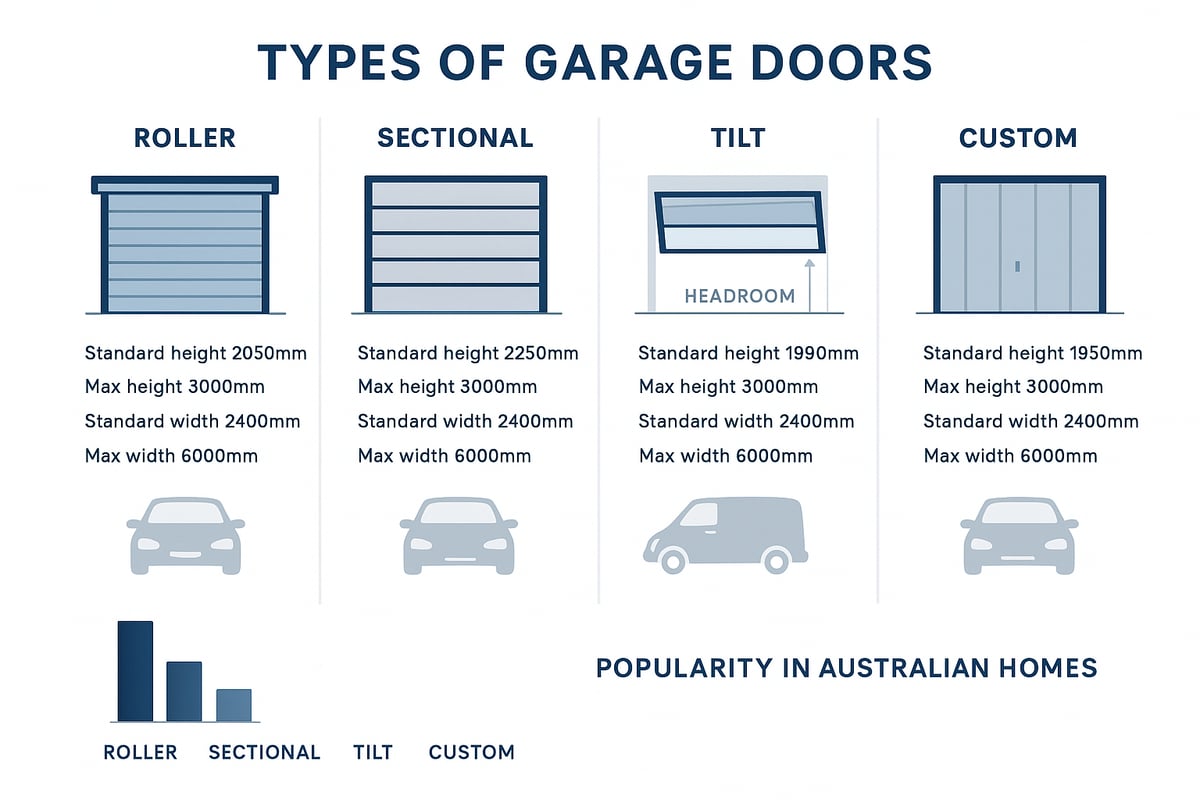
Roller doors are a popular choice for Australian homes due to their practicality and space-saving design. Standard residential roller door sizes typically reach up to 3100mm in height, with custom widths available to fit most single or double garage openings. For commercial or industrial applications, heights can extend to 5100mm.
These doors roll up into a compact drum, maximising ceiling space and providing excellent clearance for short driveways or tight garages. Roller doors are available in a range of widths, with some models offering windlocked or wind-strong features for cyclone-prone regions. This makes them suitable for garages, sheds, and workshops across Australia.
When considering garage door sizes, remember that roller doors require more headroom for the rolled curtain, usually between 350mm and 450mm. Choosing the correct size ensures smooth operation and long-term durability. Many leading brands offer options for insulation and enhanced security.
- Residential heights: up to 3100mm
- Commercial heights: up to 5100mm
- Headroom required: 350mm–450mm
- Custom widths available
Roller doors offer a reliable solution for homeowners wanting a balance of affordability, security, and space efficiency.
Sectional Doors
Sectional doors have surged in popularity, offering modern style and flexibility in garage door sizes. Their multi-panel design allows for a wide range of configurations, with standard heights reaching up to 3000mm and widths up to 5500mm. This versatility makes them ideal for both single and double garages, as well as larger vehicles.
Sectional doors are highly customisable, with options for four, five, or six-panel layouts and a variety of finishes like Colorbond® steel or timber-look panels. Insulated sectional doors are available for improved energy efficiency and noise reduction, often with a door thickness between 30mm and 51mm.
One of the main benefits of sectional doors is their minimal headroom requirement compared to roller doors, which makes them suitable for most new builds and renovations. If you’re interested in exploring more about panel layouts and customisation, refer to the Standard sectional door profiles for detailed sizing information.
- Heights: up to 3000mm
- Widths: up to 5500mm
- Panel layouts: 4, 5, or 6 panels
- Insulated and non-insulated options
Sectional doors are a smart investment for homeowners looking for design flexibility, enhanced insulation, and a sleek appearance.
Tilt Doors
Tilt doors remain a practical option for garages with limited headroom or unique architectural requirements. These doors are constructed from a single solid panel, which tilts outward and upward to open. Standard garage door sizes for tilt doors are up to 2400mm in height and up to 5500mm in width, with customisation available for non-standard openings.
One key consideration with tilt doors is the need for additional front clearance, as the door swings outward during operation. This makes them less suitable for short driveways but ideal for garages with low ceilings or restricted internal space.
- Maximum height: 2400mm
- Maximum width: 5500mm
- Suitable for low ceiling garages
- Requires front clearance for opening
Tilt doors offer a reliable solution when standard sectional or roller doors are not feasible, ensuring you still achieve the right garage door sizes for your property.
Custom & Specialty Doors
For homes or buildings with unique requirements, custom and specialty doors provide the ultimate in flexibility. Custom-sized garage door sizes can be manufactured to fit odd openings, sloping floors, or oversized vehicle access. Specialty styles such as barn doors, louvre doors, flush mount, and timber-look finishes are also available to match contemporary or heritage facades.
Major Australian brands offer made-to-measure solutions, ensuring your door fits perfectly and complies with local building codes. Custom doors are often chosen for workshops, boat or caravan storage, or garages with architectural features that demand a non-standard approach.
- Made-to-measure sizing for any opening
- Specialty styles: barn, louvre, flush mount, timber look
- Ideal for boats, caravans, or workshops
- Enhanced kerb appeal and property value
When standard options do not meet your needs, custom and specialty doors ensure you achieve the best garage door sizes and a perfect fit for your unique space.
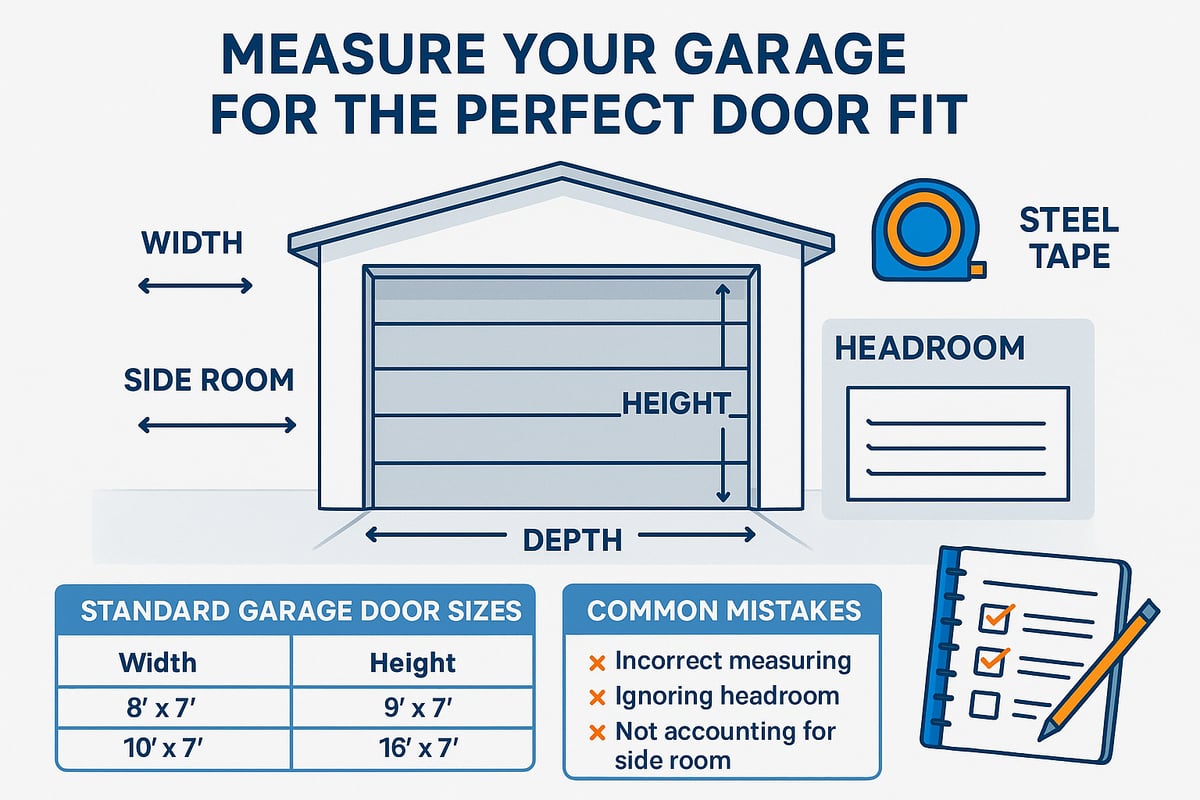
How to Measure Your Garage for the Perfect Door Fit
Choosing the right garage door sizes starts with accurate measurements. A well-fitted door not only ensures security, but also maximises convenience and kerb appeal. Before you order, follow this expert guide to measure your garage precisely and avoid costly mistakes.
Step-by-Step Measurement Guide
Getting the right garage door sizes starts with careful preparation. Gather a steel tape measure, a notepad, and a level for best accuracy.
Step 1: Measure the width of your garage opening at the top, middle, and bottom. Write down the smallest number. This ensures your garage door sizes match the true opening.
Step 2: Measure the height from the floor to the header in several places. Again, record the shortest measurement. This is vital for a snug fit.
Step 3: Check the headroom above the opening. This space is crucial for door operation, especially for roller or sectional doors.
Step 4: Assess the side room on both sides of the opening. You need space for tracks, brackets, and any automation equipment.
Step 5: Note any ceiling obstructions such as lights, beams, or storage racks. These could limit your choice of garage door sizes or opener type.
Step 6: Measure the depth of your garage. Sectional and tilt doors need enough room to open fully, so factor this into your garage door sizes selection.
Step 7: Check for any slope or unevenness in the garage floor. Record these details, as they may affect installation.
Tips for accuracy:
- Always use a steel tape for precise readings.
- Double-check every measurement.
- Record all numbers in millimetres to match standard garage door sizes in Australia.
For a visual guide and more measurement tips, see the Installing a roller door guide.
Common Measurement Mistakes & How to Avoid Them
Mistakes in measuring for garage door sizes can lead to installation headaches and extra costs. Here are the most common pitfalls:
- Overlooking headroom and side clearance, which can prevent proper door operation.
- Ignoring ceiling obstructions, like light fixtures or storage systems.
- Relying only on builder’s plans instead of confirming actual site dimensions.
- Misreading the tape measure or mixing up units, especially millimetres and centimetres.
To avoid these issues:
- Measure twice and check your figures.
- Inspect the garage for any hidden obstacles.
- If unsure, ask a professional to review your garage door sizes before ordering.
When to Seek Professional Help
Certain garages require expert measurement to ensure the right garage door sizes. If your space has sloping floors, limited headroom, or unusual dimensions, professional help is essential.
Accurate measurements are critical for warranty, compliance, and smooth installation. Many suppliers in Australia offer free on-site measure and quote services for garage door sizes. This ensures your new door fits perfectly and meets all local building codes.
Working with professionals also gives you peace of mind. They can advise on the best garage door sizes for your needs, and help you avoid costly mistakes.
Key Factors to Consider When Choosing Garage Door Size
Selecting the right garage door sizes is about more than simply fitting a car inside your garage. The right decision impacts your daily convenience, property value, and future flexibility. With the shift to larger vehicles and multi-purpose garages in Australia, it is crucial to weigh several key factors before finalising your choice.
When considering garage door sizes, start by assessing your vehicle requirements. Will you park a single sedan, or do you need space for a large SUV, ute, or even a caravan? Planning for future vehicles is wise, as many families upgrade to larger models over time. If you use your garage for storage, a workshop, or even a home gym, extra width and height provide valuable flexibility.
The number of vehicles is another essential factor. For growing families or multi-car households, double garage door sizes are increasingly common in new builds. You may also want to allow for additional space to open doors comfortably or move around stored items.
Compliance with local building codes and council regulations is non-negotiable. Australian standards specify typical garage door sizes, but each council may have unique requirements regarding setbacks, height limits, and storm resilience. Always check with your builder and consult resources like the NatHERS Technical Note on Door Sizes to ensure your plans meet all legal obligations.
Structural considerations also play a major role in choosing garage door sizes. Measure available headroom and ceiling height, as these affect the type of door you can install. Roller doors, sectional doors, and tilt doors each have distinct space requirements. Don’t overlook the slope of your driveway or an uneven floor, as these may reduce clearance and impact daily use.
Climate is another important aspect, especially in regions prone to high winds or extreme temperatures. Choosing windlocked or insulated garage door sizes can enhance energy efficiency and protect your home from the elements. Insulated doors are also thicker, which may influence your available space and hardware selection.
Automation is now standard for many Australian homes, but not all openers fit every garage. Ensure your chosen garage door sizes allow for the installation of motors and other accessories. Consider side room and overhead clearance so you can automate your door without modification or costly add-ons.
Aesthetics and kerb appeal should not be overlooked. The size and style of your garage door influence the overall appearance of your home. Matching garage door sizes to your facade creates a balanced, attractive look that can boost resale value. Trends in 2026 show a strong preference for custom, oversized, and insulated doors in new Australian builds.
Here is a quick checklist to guide your decision:
| Key Factor | Why It Matters | Tip |
|---|---|---|
| Vehicle Size/Type | Ensures fit and future flexibility | Plan for larger vehicles |
| Number of Vehicles | Determines single vs double garage door sizes | Allow space to open doors |
| Usage (Storage/Workshop) | Impacts need for extra width/height | Measure storage needs |
| Building Codes | Required for compliance and resale | Check local regulations |
| Headroom/Ceiling Height | Affects door type and automation | Measure before ordering |
| Driveway Slope | Influences clearance and usability | Assess approach angle |
| Climate/Wind Zone | Impacts insulation and wind resistance | Choose appropriate door type |
| Automation | Ensures compatibility with openers | Confirm space for motors |
| Aesthetics | Affects kerb appeal and property value | Match home style |
With so many variables to weigh, it pays to plan carefully. Think not only about your current needs but also how your requirements might change in coming years. For more guidance, visit the Frequently asked garage door questions page for expert answers tailored to Australian standards.
Frequently Asked Questions About Garage Door Sizes
Choosing the right garage door sizes can be confusing, especially with changing standards and evolving home designs in Australia. Below, we answer the most common questions to help you make an informed decision for your property in 2026.
What are the standard garage door sizes in Australia in 2026?
In 2026, the most common garage door sizes in Australia remain 2400mm wide by 2100mm high for single doors, and 4800mm wide by 2100mm high for double doors. However, demand for taller doors up to 3000mm is increasing, especially for larger vehicles. For more details and a full comparison, see the Standard Garage Door Sizes Guide by Larnec. Always check with your supplier, as sizes can vary by manufacturer and region.
| Door Type | Width (mm) | Height (mm) | Notes |
|---|---|---|---|
| Single | 2400–3500 | 2100–3000 | Compact cars/SUVs |
| Double | 4800–5500 | 2100–3000 | Two vehicles/Large SUV |
| Custom | Varies | Up to 3000 | Boats, caravans, etc. |
Can I replace a single garage door with a double? What’s involved?
Yes, you can convert two single garage doors into one double door if your wall structure allows. This process usually involves removing the centre pillar, reinforcing the opening, and installing a new lintel. The garage door sizes for a double will typically be wider, so structural changes are common. Always consult a qualified builder or installer to ensure the conversion meets building codes and is safe for your property.
How much headroom do I need for different types of doors?
Headroom is the vertical space above the garage door opening needed for the door to operate smoothly. For roller doors, allow at least 350–450mm. Sectional doors need 200–350mm, while tilt doors can work with as little as 120mm, making them ideal for low ceilings. Always measure your available headroom before selecting garage door sizes, as insufficient space can limit your options or require custom solutions.
Are there standard height options for taller vehicles?
Yes, many suppliers now offer garage door sizes up to 3000mm high to accommodate 4WDs, vans, or vehicles with roof racks. If you own a large SUV or plan to purchase one, consider choosing a taller door to future-proof your garage. Custom heights are also available, but always check that your garage structure can support the increased size and weight.
What if my garage floor is sloped or my opening is uneven?
A sloped or uneven garage floor can affect the fit and operation of your door. Modern installers can often adjust the bottom seal, trim the door, or recommend a custom-sized solution to suit your space. When measuring for new garage door sizes, take multiple measurements at different points and share these with your supplier to ensure a perfect fit.
How do I choose between one double door or two singles?
There are pros and cons to both options. One double door is often more cost-effective, easier to automate, and creates a wider opening for large vehicles. Two singles provide greater flexibility if one opener fails and can offer a more traditional look. Consider your usage patterns, home style, and budget when selecting garage door sizes for your project.
Can I get a custom-sized garage door for a non-standard opening?
Absolutely. Most leading brands offer made-to-measure garage door sizes for unique spaces, sloping floors, oversized vehicles, or architectural designs. This ensures you maximise usable space and achieve the look you want. Custom doors are ideal for workshops, boats, or caravan storage.
What’s the difference in thickness for insulated vs. non-insulated doors?
Insulated garage doors are typically 40–51mm thick, compared to 30–35mm for standard doors. The extra thickness helps with energy efficiency, noise reduction, and weather protection. If your garage is attached to your home or used as a workspace, consider insulated garage door sizes for added comfort.
How do I ensure my new door complies with local building codes?
Always check your local council regulations before installing or replacing a garage door. Australian standards specify minimum and maximum garage door sizes, setback distances, and wind rating requirements. For a broader overview of how standard building dimensions affect compliance, visit Common Standard Building Dimensions in Australia. Your installer should also be familiar with these codes.
Where can I get a free measure and quote or expert installation advice?
Most reputable suppliers and installers offer a free on-site measure and quote service. This ensures your garage door sizes are accurate and that the installation will comply with all relevant standards. Look for companies that provide expert advice, detailed product guides, and strong after-sales support.
Still have questions? Explore product guides, official Australian standards, or consult with your local garage door specialist to ensure you get the perfect fit for your needs.
After exploring the essential factors that go into selecting the right garage door size for 2026, you can see how the right choice impacts everything from daily convenience to future property value. Whether you are building new or upgrading, choosing a quality sectional garage door gives you the flexibility, insulation, and modern style Australian homes demand. If you are ready to take the next step, you can browse a range of options tailored to suit your measurements and preferences. Discover how easy it is to find the perfect fit—start here: Buy a sectional garage door.