As Australian homes evolve, sliding doors and windows are set to become centrepieces of modern design in 2026. With smart technology, new materials, and innovative styles shaping architectural choices, it is more important than ever to make informed decisions.
This guide delivers expert insights, practical advice, and a future-focused approach to selecting and installing sliding doors and windows. You will discover the latest design trends, materials, energy efficiency solutions, installation steps, smart features, and maintenance tips.
Whether you are building, renovating, or upgrading, you will find clear guidance to create more connected, efficient, and stylish living spaces. Let us help you make smart choices for a home ready for tomorrow.
Evolution and Trends in Sliding Doors and Windows for 2026
The landscape of sliding doors and windows in Australia is evolving rapidly as we approach 2026. New architectural preferences, innovative technology, and shifting market demands are shaping how homeowners and builders make choices. Understanding these trends is crucial for anyone planning a build or renovation in the coming years.
Shifting Architectural Preferences
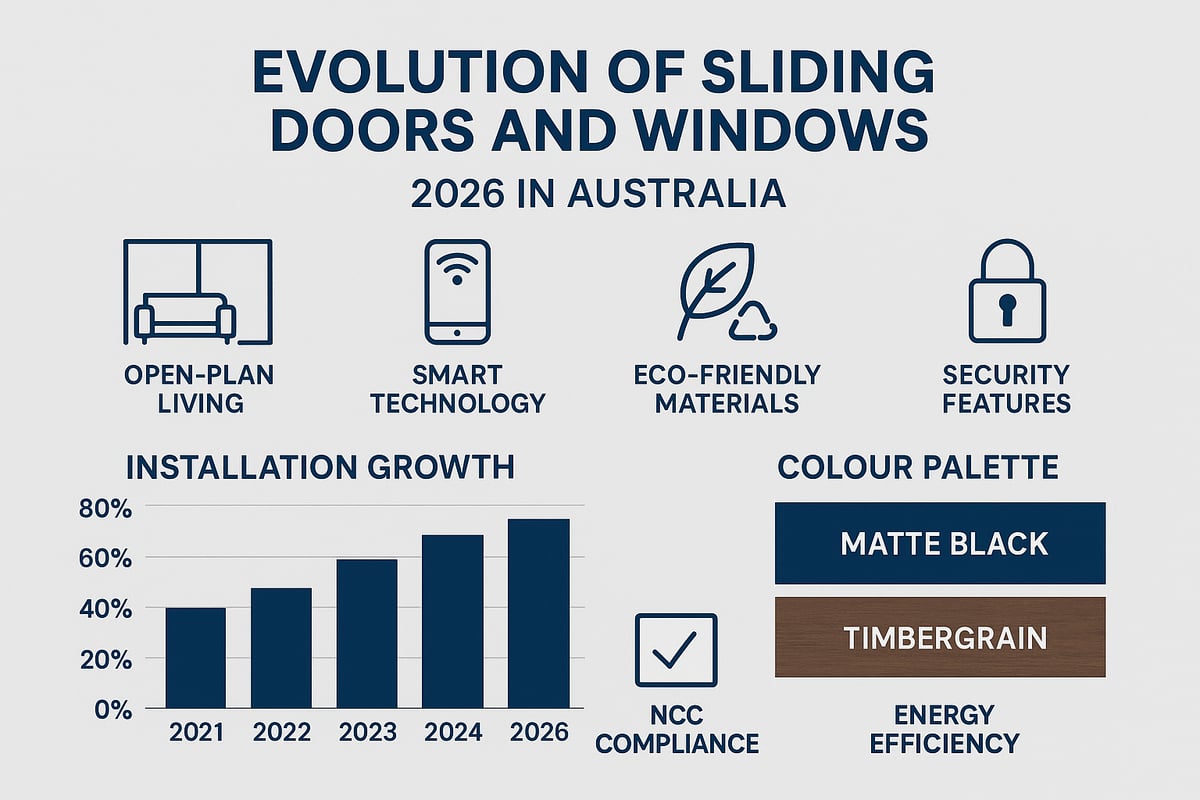
Australian homes are embracing open-plan living, with sliding doors and windows playing a pivotal role in connecting indoor and outdoor spaces. Large glazing panels are now a staple, offering uninterrupted views and maximising natural light.
Minimalist design continues to gain traction, favouring clean lines and uncluttered profiles. Sustainable architecture is also influencing choices, with many opting for products that blend seamlessly into eco-conscious designs.
This shift means sliding doors and windows are being specified not only for their practicality but also for their ability to enhance the overall aesthetic and function of contemporary Australian homes.
Technological Advancements
Technology is transforming sliding doors and windows, making them smarter and more secure. Automated systems are becoming commonplace, allowing for effortless opening and closing with the touch of a button or a voice command.
Security is a top priority, with multi-point locking systems and shatter-resistant glass now standard in many installations. Smart integrations, such as remote monitoring and alarm connectivity, offer peace of mind for homeowners.
These advancements ensure sliding doors and windows deliver not just style, but also enhanced functionality and safety, meeting the expectations of modern Australian households.
Popular Materials and Finishes
Material innovation is at the forefront of sliding doors and windows trends for 2026. Aluminium and uPVC are popular for their durability and low maintenance, while timber and timbergrain finishes provide a warm, natural look.
Colour trends are evolving, with matte black frames, natural wood tones, and custom powder-coating options leading the way. Many homeowners seek finishes that complement both traditional and contemporary facades.
For those considering specific options, Sliding glass door options illustrate the modern styles and finishes available, aligning with current design preferences.
Environmental and Regulatory Influences
Environmental responsibility is shaping the selection of sliding doors and windows. Updated Australian energy standards, such as NCC 2022 and 2025, require higher performance in thermal efficiency and air tightness.
Eco-friendly and recyclable materials are in high demand. Many manufacturers now offer products with reduced environmental impact, including those made from recycled aluminium or sustainably sourced timber.
Compliance with regulations is essential, ensuring sliding doors and windows meet both performance and safety benchmarks in diverse Australian climates.
Market Data and Consumer Preferences
Recent market data shows a 38% increase in sliding doors and windows installations in new Australian builds. Homeowners are driving demand for products that combine modern aesthetics with energy efficiency.
Key preferences include larger panels, slim frames, and high-performance glazing. Consumers also value the ability to customise finishes and hardware to suit their lifestyle and property style.
This growth highlights the expanding role of sliding doors and windows in shaping the look and feel of new homes across the country.
Key Arguments and Perspectives
Sliding doors and windows offer practical solutions for space-saving and improved accessibility. Their smooth operation and large openings make them suitable for universal design, supporting ageing in place.
Customisation is another major advantage. Products can be tailored to different climate zones, with options for enhanced insulation, weather resistance, and bushfire compliance.
As design and technology continue to advance, sliding doors and windows will remain a cornerstone of innovative, future-ready Australian architecture.
Key Considerations When Choosing Sliding Doors and Windows
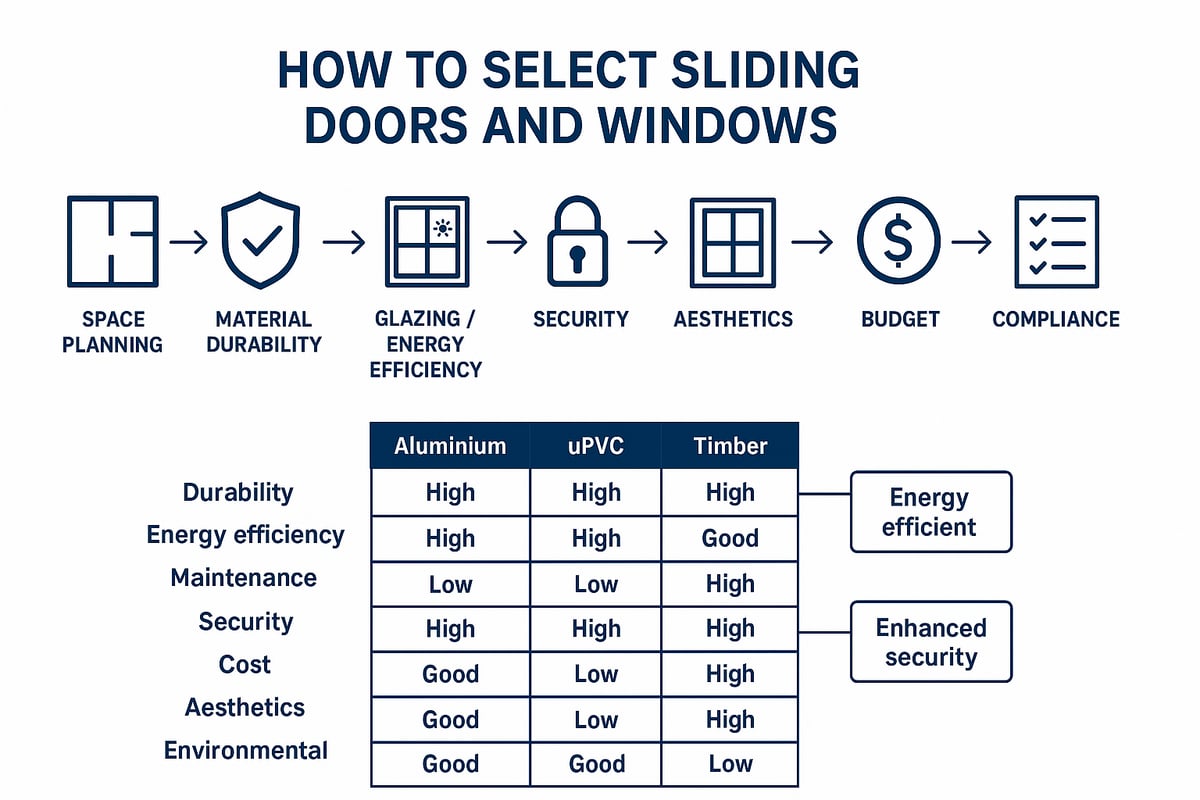
Selecting the right sliding doors and windows is a significant investment for any Australian home or business. To make a choice that delivers lasting value, it is essential to weigh several key factors. Each consideration—from space planning to compliance—plays an important role in ensuring your installation meets your needs now and into the future.
Functionality and Space Planning
When considering sliding doors and windows, start by assessing the available wall space and the room’s layout. Think about how much clearance you need for furniture and movement. Proper space planning ensures doors and windows open smoothly without obstructing walkways or furnishings.
Explore different configurations:
- Single sliders for tight spots
- Double or stacking sliders for wide openings
- Corner sliders to blur indoor and outdoor boundaries
Universal design is increasingly important. If you are planning for accessible living or ageing in place, look for sliding doors and windows with low thresholds and easy-glide mechanisms. This enhances safety and usability for everyone in the household.
Material Selection and Durability
Choosing the right material for your sliding doors and windows impacts both longevity and ongoing maintenance. The main options in Australia are aluminium, uPVC, and timber. Each material offers unique benefits:
| Material | Durability | Maintenance | Best for |
|---|---|---|---|
| Aluminium | High | Low | Coastal, urban, modern |
| uPVC | Good | Very low | Energy efficiency, value |
| Timber | Moderate | High | Heritage, natural aesthetics |
For coastal locations, aluminium resists corrosion and performs well in harsh weather. In urban settings, uPVC offers excellent insulation and minimal upkeep. Timber, while requiring more care, provides a warm and traditional look.
Consider the lifespan and warranty of each material. Match your choice to your climate and style preferences to ensure your sliding doors and windows stand the test of time.
Glazing Options and Energy Performance
The type of glass you choose for your sliding doors and windows greatly influences comfort and energy costs. Double and triple glazing provide effective thermal insulation, helping to keep homes cool in summer and warm in winter.
Look for Low-E (low emissivity) coatings, which can cut energy bills by up to 30 percent. In busy areas, acoustic glazing helps reduce noise from outside. For more information on how window choices impact home energy efficiency, see the Energy efficiency of windows resource.
Factor in your home’s orientation and climate zone. The right glazing choice contributes to both sustainability and everyday comfort.
Security Features
Security is a top priority for sliding doors and windows. Modern designs offer advanced safety features, such as:
- Multi-point locking systems for extra strength
- Reinforced frames that deter forced entry
- Laminated or toughened glass to prevent breakage
Smart security options, like integrated alarm sensors and remote monitoring, give added peace of mind. Select features that match your location and security requirements to keep your property safe.
Aesthetic and Customisation Choices
Aesthetics play a major role in selecting sliding doors and windows. Today’s range of frame colours, handle styles, and finishes allow you to match your installation to any architectural theme.
Popular trends include matte black frames, natural timbergrain looks, and custom powder-coated colours. Consider how your choices will complement exterior finishes and enhance curb appeal. Customisation ensures your sliding doors and windows reflect your personal style and add value to your home.
Budget and Value for Money
Cost is a critical factor when choosing sliding doors and windows. Break down your budget into supply, installation, and ongoing maintenance. While premium options may have a higher upfront cost, they often deliver greater energy savings and require less upkeep over time.
Look for products with solid warranties and after-sales support. Balancing initial investment against long-term value helps you make a smart, future-proof choice.
Compliance and Certification
Every installation of sliding doors and windows must meet Australian Standards, including AS 2047 for windows and AS 1288 for glass. In bushfire-prone areas, check the Bushfire Attack Level (BAL) rating to ensure compliance.
Always use certified installers to guarantee proper fit and performance. Compliance protects your investment and ensures safety, quality, and eligibility for insurance or warranties.
Installation Process: Step-by-Step Guide
Thinking about installing sliding doors and windows? A smooth installation is vital for performance, longevity, and energy efficiency. Whether you're building new or upgrading, careful planning and expert execution make all the difference. Here’s a comprehensive guide to what you can expect during the installation journey.
Pre-Installation Preparation
Preparing for sliding doors and windows starts with precise site measurement. Check the opening dimensions and ensure the wall structure is sound. Moisture barriers are essential, especially for Australian climates that can vary from dry to humid.
Review compliance requirements early. For example, performance considerations for windows highlight the importance of meeting energy and safety standards. This step helps avoid costly modifications later.
A well-prepared site sets the foundation for a seamless installation. Confirm the type of sliding doors and windows suits your space and check local regulations.
Selecting the Right Installer
Choosing an installer for sliding doors and windows is a major decision. Licensed professionals bring not only technical skills but also experience with Australian standards.
Vetting installers involves checking their licenses, insurance, and customer references. Compare quotes but also consider reputation and after-sales support.
Professional installation often leads to better long-term outcomes than DIY. However, confident DIYers can still achieve great results with the right guides and tools.
Installation Steps (Chronological)
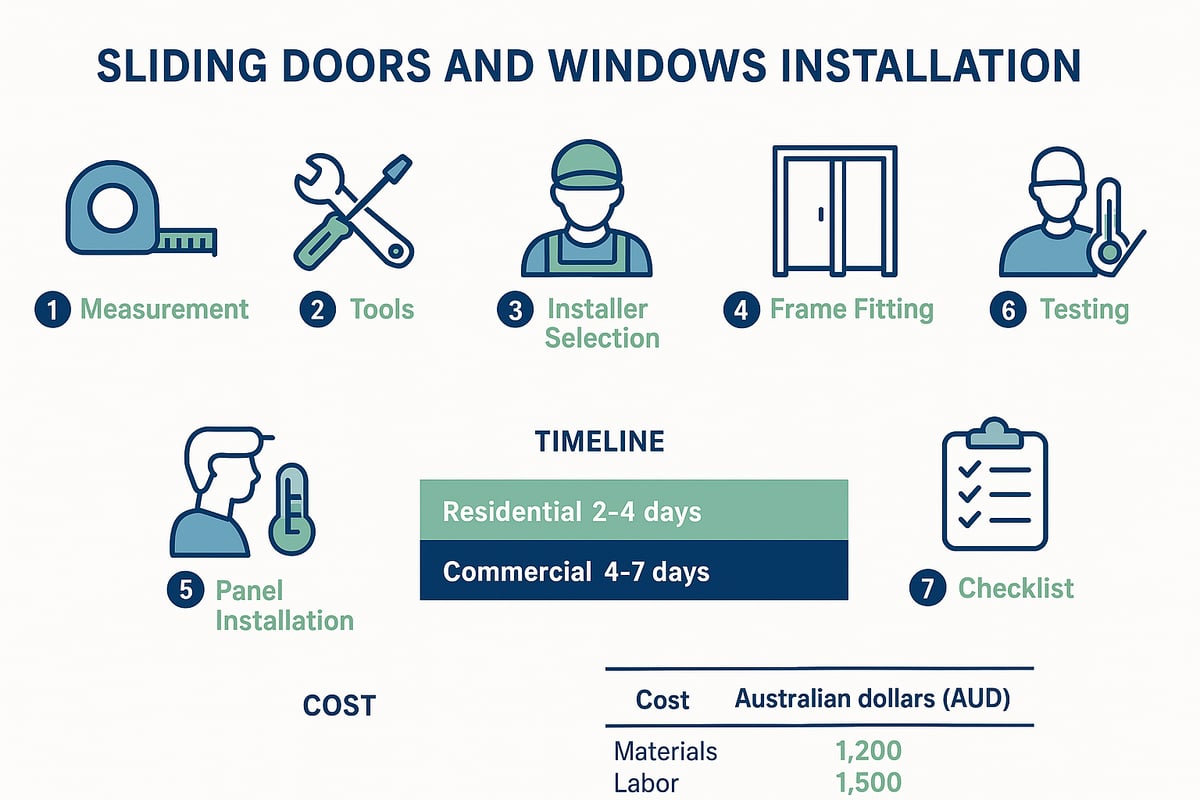
The actual installation of sliding doors and windows follows a clear sequence. First, remove old doors or windows if needed. Prepare the opening, making sure it is level and free of debris.
Next, fit the frame securely, using quality fasteners and sealing all edges to prevent drafts or leaks. Install sliding panels, checking for smooth movement.
Finally, add locks, handles, and any extra features. Test the operation of the sliding doors and windows thoroughly before proceeding.
Post-Installation Checklist
After installing sliding doors and windows, a thorough checklist ensures everything works as intended. Test all moving parts, including locks and handles.
Remove dust and leftover building materials from tracks and frames. Provide the homeowner or occupant with warranty documents and care instructions for their new sliding doors and windows.
A well-executed handover sets the stage for years of trouble-free operation.
Common Installation Challenges
Even with careful planning, challenges can arise when installing sliding doors and windows. Uneven wall openings demand on-the-spot adjustments.
Weather delays, especially in outdoor or exposed areas, can impact the schedule. Site safety is also a top priority, particularly on busy building sites.
Experienced installers anticipate these issues and adapt quickly, ensuring the sliding doors and windows are fitted securely and on time.
Example Case Study
Consider a residential project with standard sliding doors and windows versus a commercial installation with larger panels. In homes, installation is often quicker due to simpler site conditions.
Commercial settings may involve more complex structures, requiring extra time for reinforcement and alignment. Despite these differences, both projects benefit from careful planning and skilled installers.
Comparing outcomes, residential jobs often complete within a single day, while commercial installations may span several days.
Cost and Timeframe Insights
Understanding the cost and time involved with sliding doors and windows helps with budgeting and scheduling. On average, installation takes 4 to 8 hours for standard residential doors.
| Project Type | Typical Timeframe | Average Cost (AUD) |
|---|---|---|
| Residential | 4–8 hours | $600–$1,200 |
| Commercial | 1–3 days | $1,500–$5,000+ |
Professional installation may cost more upfront, but it offers peace of mind and compliance with Australian standards. Balancing quality, time, and budget ensures your sliding doors and windows deliver long-term value.
Smart Technology and Automation in Sliding Doors and Windows
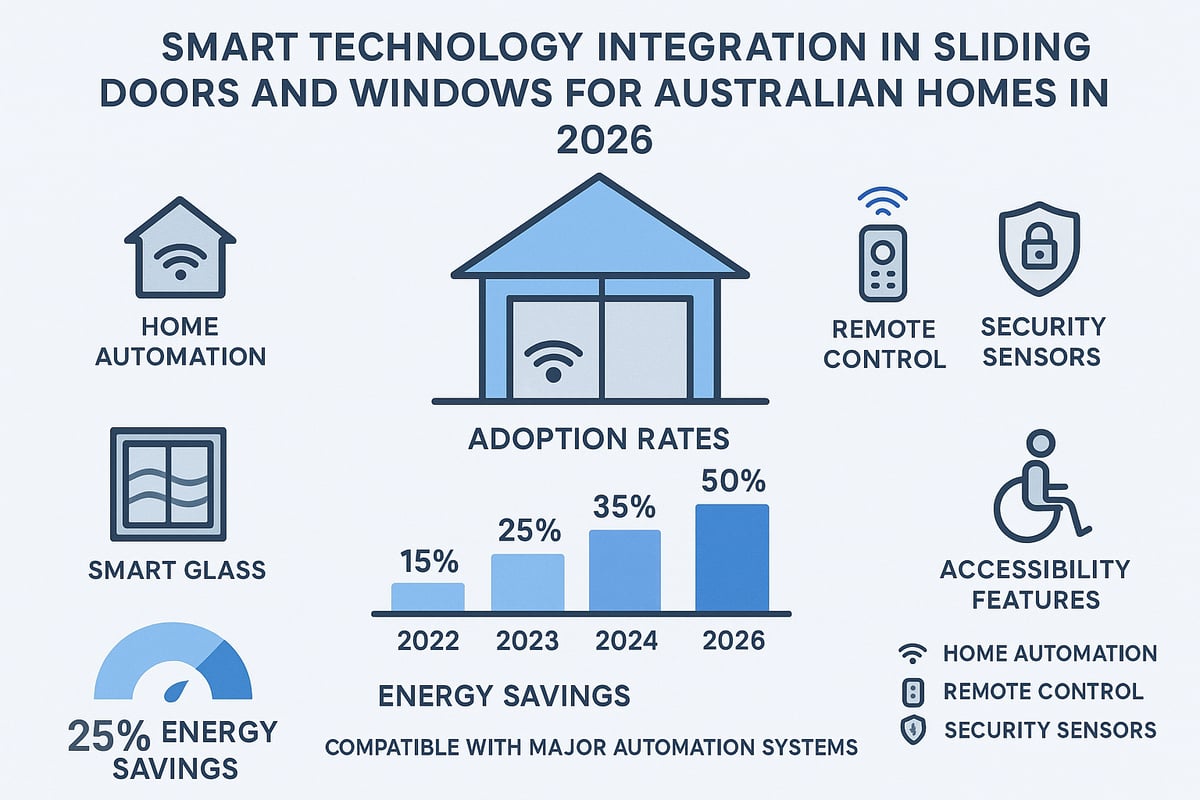
Smart technology is rapidly transforming the way Australians interact with their homes. In 2026, sliding doors and windows are at the forefront of this innovation, offering a blend of convenience, security, and sustainability. Understanding these advancements is essential for homeowners who want to future-proof their properties and enjoy a seamless living experience.
Emerging Smart Features
The latest sliding doors and windows can now connect with leading home automation systems like Google Home and Alexa. Homeowners enjoy the ability to open or close doors remotely using smartphone apps, adding both comfort and control. Automated sliding mechanisms also enable scheduled ventilation, improving indoor air quality without manual effort.
Some systems adjust automatically in response to weather or security triggers. This means sliding doors and windows can close themselves when it rains or if a security alert is detected, making day-to-day living more intuitive and responsive.
Security and Safety Innovations
Security has become a top priority in modern sliding doors and windows. Sensor-based locking mechanisms detect when doors are left open or attempt to be forced, triggering immediate alerts. Many systems now support remote monitoring, allowing users to check door status from anywhere.
Child safety and anti-pinch technologies are increasingly standard. These features prevent injuries by stopping panels if an obstruction is detected, ensuring sliding doors and windows are safe for families with children or elderly residents.
Energy Management and Sustainability
Smart glass technology is a significant advancement in energy efficiency for sliding doors and windows. Variable tint glass can automatically adjust its opacity to regulate sunlight and heat gain, reducing reliance on artificial cooling. Automated shading systems can further optimise indoor temperatures, making homes more comfortable year-round.
Climate-responsive operations, such as automated opening and closing based on indoor temperature or air quality, help minimise energy use. These features support homeowners in achieving sustainability goals and complying with Australia’s evolving energy standards.
User Experience and Accessibility
The user experience of sliding doors and windows has been enhanced through voice-activated controls and custom automation routines. Residents can open or close doors using simple voice commands, which is especially beneficial for people with mobility challenges.
Smart features also make it easy to schedule door movements for daily routines, such as letting in morning air or securing the home at night. For a deeper look at how these innovations improve accessible living, see energy-efficient doors for accessible living, which highlights the intersection of smart technology and universal design.
Market Adoption and Affordability
Adoption of smart sliding doors and windows is on the rise, with industry data showing that 20% of new high-end homes in Australia now include automated systems. This trend is driven by decreasing costs and broader compatibility with mainstream home automation platforms.
Manufacturers are also offering more affordable upgrade options, making smart features accessible to a wider market. As technology becomes more user-friendly, even homeowners with existing sliding doors and windows can retrofit automation components.
Challenges and Considerations
Despite these benefits, there are important factors to consider before investing in smart sliding doors and windows. Compatibility with current home automation systems should be confirmed to avoid integration issues. Regular maintenance of electronic components is required to ensure reliable performance.
It is wise to consult with professionals who specialise in smart home technology, ensuring that sliding doors and windows deliver on both convenience and long-term value.
Maintenance, Longevity, and Troubleshooting
Proactive maintenance is essential to ensure your sliding doors and windows deliver reliable performance year after year. With the right care, these features can enhance comfort and security while adding value to your home.
Routine Care and Cleaning
Regular cleaning keeps sliding doors and windows looking their best and operating smoothly. Use a soft cloth and mild detergent to clean glass surfaces. For frames, select a non-abrasive cleaner suitable for the material.
- Clean tracks and rollers every few months to prevent dirt build-up.
- Lubricate moving parts lightly to ensure effortless sliding.
- In coastal areas, rinse salt residue from frames more frequently.
Maintaining your sliding window selections ensures optimal clarity and prevents corrosion. A consistent routine extends the lifespan of your investment.
Preventing and Addressing Common Issues
Sticky or misaligned sliding doors and windows often result from debris in the tracks or worn rollers. Remove obstructions, then realign panels if needed. Condensation on glass can be managed by improving ventilation and checking seals.
Damaged or worn seals and rollers should be replaced promptly to avoid energy loss. Regular inspections help you spot minor issues before they escalate, ensuring smooth operation.
Prompt attention to these concerns preserves functionality and supports home comfort in every season.
Enhancing Lifespan
Extending the life of sliding doors and windows relies on regular inspections and timely repairs. Schedule checks for frame integrity, glass condition, and hardware performance every six months.
Upgrading components such as rollers or handles can boost performance and security. For enhanced energy savings, consider adding low-E glass or improving seals, guided by resources like this Energy efficiency compliance guide.
A proactive approach protects your investment and keeps your home resilient against changing weather.
Warranty and After-Sales Support
Most sliding doors and windows come with warranties covering frames, glass, and hardware for several years. Understanding your coverage ensures you can access repairs or replacements when needed.
Contact your supplier for documentation and keep records of all service calls. Leading manufacturers and installers offer responsive after-sales support for parts and maintenance advice.
Reliable warranty support adds peace of mind and value to your chosen sliding doors and windows.
Cost of Maintenance vs. Replacement
Balancing annual maintenance costs against full replacement is important for budget planning. On average, expect to spend $80–$150 per year on upkeep.
| Item | Annual Cost | Replacement Cost |
|---|---|---|
| Maintenance | $80–$150 | – |
| Full Replacement | – | $2,500–$6,000 |
When recurring repairs become costly or performance drops significantly, replacement may be the smarter option. Energy savings and improved security often justify the investment in new sliding doors and windows.
Real-World Examples
Homes in coastal regions face harsher conditions, so sliding doors and windows there often require extra care. Regular rinsing and seal checks help installations in these areas last over 15 years.
In urban settings, less exposure to salt and moisture means maintenance is simpler and longevity can exceed two decades. Homeowners who follow recommended care routines consistently see trouble-free operation and long-term value.
Future-Proofing Your Investment: What to Expect Beyond 2026
The landscape for sliding doors and windows is set for significant transformation beyond 2026. As innovation accelerates and sustainability becomes increasingly important, homeowners and builders must look ahead to secure long-term value. Making the right choices now ensures your property remains modern, efficient, and appealing in the years to come.
Anticipated Design and Technology Trends
Emerging design trends will redefine how sliding doors and windows enhance Australian homes. Expect a surge in passive house principles, with ultra-efficient glazing and airtight frames supporting superior insulation and indoor comfort.
Modular and prefabricated systems are also gaining traction, offering flexibility for renovations or new builds. Customisable panels and advanced finishes will allow homeowners to tailor sliding doors and windows to specific architectural visions, ensuring both style and performance keep pace with evolving tastes.
Regulatory and Environmental Shifts
Australian building regulations are evolving, and future standards will likely prioritise energy conservation and occupant safety. Upcoming changes to the National Construction Code may require even stricter thermal and acoustic performance from sliding doors and windows.
Sustainability will also play a bigger role, with recycled aluminium, low-impact uPVC, and eco-friendly glass becoming the norm. For bushfire-prone areas, tougher compliance on BAL ratings will be expected. Staying ahead of these shifts ensures your sliding doors and windows remain compliant and resilient.
Market Forecasts
The market for sliding doors and windows is poised for robust growth. Industry forecasts suggest a 15 percent annual increase in smart system adoption, reflecting rising consumer demand for automation and connectivity. Buyers increasingly expect advanced features and tailored designs.
Below is a quick summary of key projections:
| Trend | Forecast (2027+) |
|---|---|
| Smart system adoption | +15% per year |
| Demand for custom solutions | Strong upward trend |
| Sustainable materials usage | Majority of new builds |
| Regulatory stringency | Continual increase |
These trends make sliding doors and windows a smart long-term investment.
Resale Value and Home Appeal
Modern sliding doors and windows can significantly boost your property's market appeal. Buyers are drawn to homes with energy-efficient, automated, and visually striking features.
As trends shift, properties with outdated doors or single-glazed windows may lose value. Investing in up-to-date sliding doors and windows can be a key differentiator, attracting discerning buyers and driving higher resale prices.
Expert Recommendations
Experts recommend selecting adaptable sliding doors and windows systems that allow for future upgrades, such as retrofitting smart technology or enhanced glazing. Prioritise reputable suppliers who offer certified products and robust after-sales support.
For a comprehensive selection, consider Door Supply sliding solutions, which provides a diverse range of compliant, customisable options for Australian conditions. Choosing a trusted partner ensures your investment is protected against changing standards and market demands.
Final Checklist for Buyers
Before committing to new sliding doors and windows, use this checklist to guide your decision:
- Have you confirmed compliance with the latest Australian Standards?
- Do your choices support future automation or energy upgrades?
- Is your supplier reputable and experienced in your climate zone?
- Are warranties and after-sales support clearly outlined?
- Does your selection reflect current and upcoming design trends?
By future-proofing your investment in sliding doors and windows, you can enjoy lasting performance, comfort, and value well beyond 2026.
As you look ahead to making your home or business more functional and stylish in 2026, it’s clear that the right door choice is essential for lasting value and performance. We’ve explored how sliding doors and windows are transforming modern Australian spaces, from energy efficiency to cutting edge security and design. If you’re inspired to take the next step toward a contemporary, seamless look, now is the perfect time to consider your options. For those ready to upgrade, you can buy a domestic roller door that complements your space and meets the highest standards for durability and style.
Article written using RankPill.