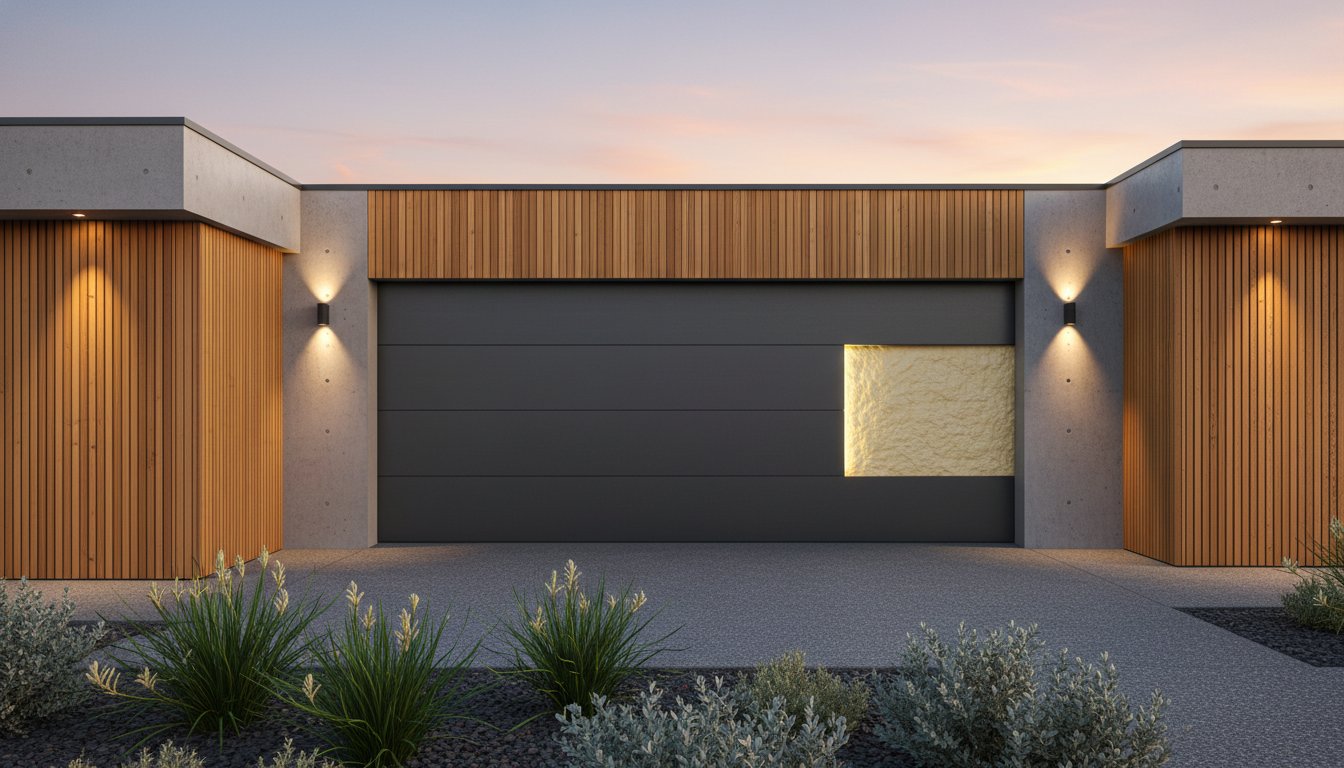
Choosing a new garage door involves more than just colour and style. If you're concerned about rising energy costs or the long-term durability of your investment, understanding what makes a door genuinely 'eco-friendly' is critical. The term can be confusing, but the benefits are practical: lower heating and cooling bills, a more comfortable home, and a product built to last in Australian conditions. This guide provides the specific information you need to evaluate eco garage doors without the marketing jargon.
Here, we break down the key factors. You will learn to identify effective insulation, understand the real-world durability of different materials, and see how a well-chosen door contributes to a more energy-efficient home. We provide a straightforward checklist to help you select a quality, sustainable garage door that delivers long-term value and performance. Get the facts to make a confident, practical choice for your property.
What *Actually* Makes a Garage Door 'Eco-Friendly'?
The term 'eco-friendly' is more than just a marketing buzzword. When it comes to garage doors, it points to tangible features that deliver measurable benefits: lower energy bills and a longer product lifespan. A truly sustainable door is one that improves your home's energy efficiency and is built to last. The best eco garage doors are defined by four key pillars: superior insulation, durable materials, effective sealing, and local manufacturing.
To see how these features come together, watch this short overview:
Pillar 1: Superior Insulation
Your garage door is the largest moving part of your home's exterior. An uninsulated door is a major source of heat transfer, forcing your home's heating and cooling systems to work harder. An insulated door with a high-density polyurethane foam core acts as a thermal barrier, stabilising the temperature in your garage and the adjoining rooms. The effectiveness is measured by its R-Value; a higher number means better thermal resistance. For a detailed breakdown, you can see the R-Value explained here.
Pillar 2: Sustainable and Durable Materials
The most sustainable product is the one you don't have to replace. Look for doors made from robust, recyclable materials like steel, which often contains high recycled content. A well-constructed door made from quality materials will withstand Australia's harsh climate for decades. Replacing a flimsy door every 10 years creates unnecessary waste; investing in a durable door that lasts 20+ years is the most practical and eco-friendly choice.
Pillar 3: Quality Weather Sealing
A door's insulation is useless without effective seals to stop drafts. Gaps around the edges of a garage door allow conditioned air to escape and outside air, dust, and water to get in. A quality door features thick, pliable weather seals on all four sides. This complete seal prevents air leakage, significantly reducing the load on your heating and cooling systems and lowering energy consumption.
Pillar 4: Local Manufacturing
The environmental cost of shipping a large, heavy product from overseas is substantial. Choosing an Australian-made garage door drastically reduces transport emissions ("food miles"), supports local industry, and ensures adherence to stricter manufacturing standards. Products made with Australian materials like Colorbond® steel are designed specifically for our climate, guaranteeing better performance and a longer operational life.
A Deep Dive into Insulation: R-Value and Thermal Efficiency
When it comes to eco garage doors, insulation is the single most impactful feature for improving your home's energy efficiency. An insulated sectional door is constructed with a core of high-density polyurethane foam between two layers of steel. This design creates a highly effective thermal break, preventing heat from passing through the door.
This isn't just a benefit for cold climates. In summer, the same insulation keeps the intense Australian heat out of your garage, creating a more stable temperature year-round. A significant side benefit is noise reduction, providing a welcome barrier against street traffic and neighbourhood noise.
What is R-Value and Why Does It Matter?
R-Value is a standard industry measurement of thermal resistance-in simple terms, how well a material can resist the flow of heat. As detailed in this comprehensive Department of Energy insulation guide, the rule is straightforward: the higher the R-value, the better the insulating performance. A standard, non-insulated steel garage door has a negligible R-value, often less than R-1. In contrast, insulated doors typically offer R-values from R-8 up to R-16 or higher, making a substantial difference to thermal efficiency.
Tangible Benefits of an Insulated Garage Door
The investment in an insulated door pays off through several practical advantages:
- Lower Energy Bills: By stabilising the garage temperature, you reduce the energy needed to heat or cool adjacent living spaces, leading to lower utility costs.
- Protects Valuables: Vehicles, tools, and stored goods are shielded from damage caused by extreme temperature fluctuations.
- Creates Usable Space: An insulated garage becomes a more comfortable workshop, home gym, or playroom, effectively extending your home's living area.
- Increases Durability: The composite panel construction makes the door stronger, more rigid, and significantly more resistant to dents and dings.
Choosing the Right Level of Insulation
Selecting the correct R-value depends on your specific needs. A homeowner in Melbourne will benefit from a higher R-value to combat cold winters, while someone in Brisbane will prioritise keeping heat out. If your garage is attached to your house, a higher level of insulation is a smart investment. For detached garages, a lower R-value may suffice. It's about balancing the upfront cost with the long-term energy savings and comfort you'll gain. High-performance insulation is what makes modern sectional doors true eco garage doors.
Explore our range of insulated sectional doors.
Choosing the Best Eco-Friendly Garage Door Materials
The material of your garage door is the foundation of its performance. It dictates not just durability and maintenance requirements, but also its overall environmental impact. When selecting from the available options for eco garage doors, the focus should be on longevity, recyclability, and the manufacturing process behind the product. A door that lasts for decades and can be fully recycled at the end of its life offers far greater value than one that requires frequent replacement.
Modern manufacturing also means you don't have to compromise on aesthetics. Advanced finishes provide the look of materials like timber without the associated environmental cost or high maintenance. Below, we compare the most practical and sustainable materials available for the Australian market.
Multi-Layered Steel: The Practical Choice
For a combination of strength, value, and sustainability, multi-layered steel is the leading choice. Steel is one of the most recycled materials on the planet, making it an excellent circular economy product. A well-constructed steel door provides a solid base for high-performance insulation, a critical factor for improving your home energy efficiency and reducing power bills.
- Highly Durable: Look for doors made with genuine Australian Colorbond steel, which is resistant to warping, cracking, and pests.
- Excellent Insulation Base: The rigid structure is ideal for incorporating high R-value insulation panels that regulate temperature.
- Low Maintenance: Requires only occasional cleaning and is built to withstand harsh Australian conditions.
Timber-Look Finishes: The Best of Both Worlds
Get the classic, warm aesthetic of a timber door without sourcing natural wood. Modern timber-look finishes are achieved through a durable digital printing or coating process applied directly to steel panels. This gives you a low-maintenance and long-lasting alternative that avoids the common pitfalls of real wood, such as rot, termites, and the need for frequent, chemically-intensive re-staining and sealing.
Aluminium: Lightweight and Corrosion-Resistant
Aluminium is an ideal material for specific applications, particularly in coastal regions. Its primary advantage is exceptional resistance to rust and corrosion caused by salt-laden air. While typically more expensive than steel, its longevity in harsh environments can make it a worthwhile investment. The lighter weight of aluminium panels also reduces strain on the garage door opener motor, potentially extending its service life.
The Sustainable Advantage of Australian-Made Doors
When evaluating eco garage doors, the country of origin is a critical factor. Choosing a locally manufactured door is more than a patriotic gesture; it is a practical decision with significant environmental and performance benefits. An Australian-made door offers a reduced carbon footprint, superior durability in local conditions, and adherence to quality standards that imported products may not meet.
Lower Carbon Footprint
The environmental cost of international shipping is substantial. By choosing an Australian-made garage door, you drastically reduce the 'transport miles' required to get the product from the factory to your home. This has a direct impact on sustainability:
- Reduced Emissions: Less fuel is consumed, resulting in lower carbon emissions compared to goods shipped across oceans.
- Local Materials: Many local manufacturers prioritise materials like Australian BlueScope steel, which has its own shorter, domestic supply chain, further minimising the door's embodied energy.
Built for Australian Conditions
Australia's climate is one of the harshest in the world. Doors designed for other markets often fail prematurely when exposed to our high UV levels, extreme heat, and wild storms. A locally made door is engineered specifically for these challenges. Finishes like Colorbond® steel are rigorously tested to resist fading and corrosion in Australian environments. A door that lasts longer is a more sustainable choice, reducing landfill waste and the resources needed for a replacement.
Supporting Local and Ensuring Quality
Local manufacturing ensures accountability. Australian-made garage doors must comply with strict national standards for construction, safety, and material quality. This provides peace of mind that your investment is both safe and durable. Furthermore, our made-to-order production model means we only create what is needed, a process that significantly reduces industrial waste compared to mass-produced alternatives. For a product built to last in Australia, by Australians, view our proudly Australian-made garage doors.
Finalising Your Choice for an Eco Garage Door
Making a sustainable choice for your home doesn't have to be complicated. As this guide has shown, selecting an eco-friendly garage door is a practical decision grounded in smart metrics and materials. The most critical factors are high R-value insulation for superior thermal efficiency, which directly translates to lower energy bills, and choosing durable materials that stand the test of time. Furthermore, supporting local manufacturing by choosing an Australian-made door reduces transport emissions and guarantees quality craftsmanship suited to local conditions.
The right eco garage doors are an investment in both your property's value and its environmental footprint. Door Supply makes this investment straightforward. All our insulated doors are Proudly Australian Made and are custom made to your exact measurements, ensuring a perfect fit and optimal performance. With our convenient nationwide delivery for DIY installation, you receive a premium, energy-saving solution directly to your door.
Upgrade your home with a door that delivers on quality, efficiency, and sustainability. Browse our range of insulated and Australian-made garage doors.
Frequently Asked Questions About Eco Garage Doors
What is the difference between an 'eco garage door' and the brand Eco Garage Doors?
An 'eco garage door' is a generic term for any garage door designed for energy efficiency, typically featuring insulation and comprehensive weather sealing. It is a product category. In contrast, Eco Garage Doors is the specific brand name of a Melbourne-based garage door company. While they may sell energy-efficient products, the name refers to the business itself. This article discusses the features and benefits of the general product type, not a specific brand.
Are insulated garage doors worth the extra cost in Australia?
Yes, for most Australian homes. An uninsulated garage is a major source of heat gain in summer and heat loss in winter. An insulated door acts as a thermal barrier, stabilising the temperature in your garage. This not only protects vehicles and stored goods but also reduces heat transfer into your home if the garage is attached. The initial investment is typically offset by improved comfort and long-term energy savings, making it a practical upgrade.
How much money can an energy-efficient garage door save on power bills?
Savings depend on your climate, garage usage, and whether it's attached to your home. For an attached garage that acts as a buffer to the house, an insulated door can reduce your home's heating and cooling energy needs. This can translate to savings of A$150 to A$300 per year on power bills in climates with temperature extremes. For a detached garage, the main benefit is temperature regulation for the space itself, rather than direct household energy savings.
What is the most durable and long-lasting material for a garage door?
For Australian conditions, steel is the most durable and popular material. Products made from Colorbond steel offer excellent resistance to denting, warping, and pests, and require minimal maintenance. While aluminium is corrosion-resistant, it can be less robust against impacts. Timber doors offer a classic look but demand regular upkeep to prevent rot and warping, especially in coastal or wet climates. Steel provides the best balance of longevity, performance, and value.
Can I make my existing garage door more eco-friendly?
Yes. You can improve the thermal performance of an existing non-insulated door. Retrofit insulation kits, using foil-faced panels or polystyrene, can be installed on the back of the door sections. Replacing worn bottom and side weather seals is also crucial to stop drafts. These upgrades are a cost-effective way to improve energy efficiency and create more functional eco garage doors without requiring a full replacement of the door itself.
Does the colour of my garage door affect its energy efficiency?
Yes, colour does affect thermal performance, especially in direct sunlight. Lighter colours like white, surfmist, or shale grey reflect more solar radiation and absorb less heat. This is beneficial for keeping your garage cooler on north or west-facing walls. Dark colours like monument or black absorb significantly more heat, increasing the garage's internal temperature. While insulation has a much greater impact, choosing a lighter colour contributes to overall energy efficiency.