
Ordering the perfect door in 2026 is about more than just looks. Today’s homeowners and businesses want security, efficiency, and solutions that will stand the test of time. The door market is evolving fast, with new technologies and higher expectations shaping every decision.
Choosing the right way to order doors can save money, prevent common mistakes, and boost property value. This guide draws on expert insights to help you make informed decisions at every stage.
We’ll cover the main types of doors, material and finish options, automation features, installation choices, and insider tips to ensure a smooth, successful order experience.
Understanding Door Types: Roller, Sectional, and Personal Access
Selecting the right door is a crucial step when you order doors for any property in Australia. With growing demands for security, technology, and design in 2026, understanding your options is the foundation for making an informed decision. Let’s break down the key types and what sets them apart.
Overview of Main Door Types
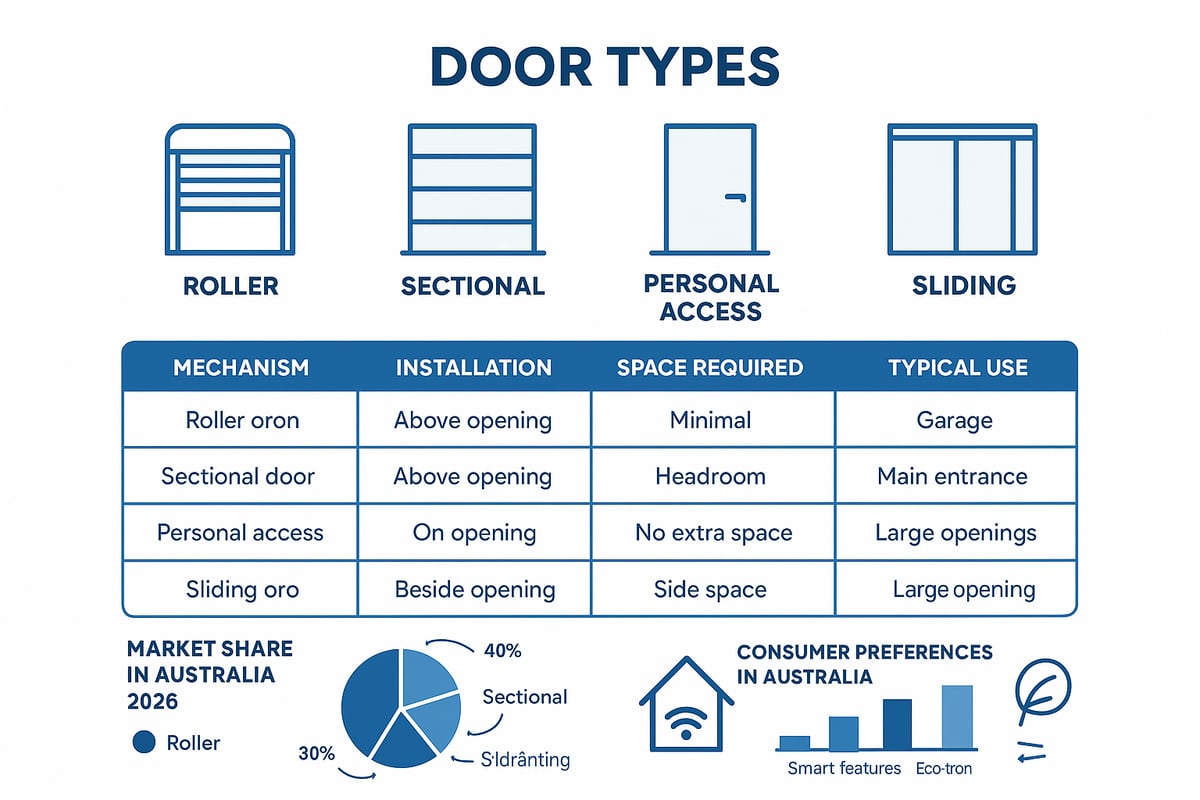
When you order doors, you’ll typically choose from four main styles:
- Roller doors: Roll up vertically into a compact drum. Popular in residential garages, commercial warehouses, and specialty applications.
- Sectional doors: Made from horizontal panels that slide upwards and lay flat under the ceiling. Known for design flexibility and maximising drive-through height.
- Personal access (PA) doors: Standard hinged doors built into or alongside larger doors, offering convenient entry for people or small equipment.
- Sliding doors: Move horizontally on tracks, often used for modern garages and large openings in commercial settings.
Each type differs in mechanism, installation complexity, and ideal use. For example, roller doors are prized for their space-saving drum, while sectional doors offer more insulation and style options. PA doors are perfect for quick access to sheds or outbuildings, and sliding doors suit wide spaces with a contemporary look.
| Door Type | Mechanism | Installation | Typical Use |
|---|---|---|---|
| Roller | Vertical roll | Moderate | Garages, warehouses |
| Sectional | Overhead panel | Moderate-Complex | Homes, showrooms |
| PA Door | Hinged | Simple-Moderate | Sheds, garages |
| Sliding | Horizontal | Moderate-Complex | Commercial, modern homes |
When you order doors, matching the type to your space and needs is key.
Choosing the Right Door for Your Needs
Property type is the first factor when you order doors. For homes, roller and sectional doors are most common, while businesses may require sliding or PA doors for frequent access.
Security must be considered. In high-risk or coastal areas, reinforced and windlocked options are recommended. For those wanting to learn more, see Windlocked Roller Doors Explained for details on enhanced protection.
Space is another critical element. Roller doors need vertical clearance, while sectional doors require unobstructed ceiling space. Sliding doors are ideal when there’s limited headroom but ample wall space.
For example, a suburban garage with a short driveway may benefit from a roller door due to its compact roll-up mechanism, while a sectional door could offer more insulation and style for a larger garage. Carefully assess your requirements before you order doors to avoid costly mistakes.
Latest Trends in Door Design for 2026
In 2026, when you order doors, expect to see a surge in smart technology. Integration with home automation systems, app-based control, and enhanced security features are now standard.
Sustainability is also leading the way. More buyers are choosing eco-friendly materials and finishes. Colour trends such as matte neutrals and bold accent shades are popular, especially with Colorbond finishes.
Custom sizing and unique configurations are increasingly available, making it easier to order doors that fit non-standard spaces or architectural designs. Whether you want a double-width garage entry or a PA door with extra security, bespoke options are widely accessible.
Staying updated on these trends ensures your investment is future-ready and aligns with both style and performance needs.
Relevant Statistics and Data
The Australian door market is rapidly evolving. Roller and sectional doors dominate, with recent reports indicating that roller doors hold a slightly larger share in residential properties. Sectional doors, however, are gaining popularity due to their design flexibility and insulation benefits.
In 2026, top features influencing buyers who order doors include automation, security enhancements, and sustainable finishes. According to industry data, over 60% of new garage doors installed incorporate some level of smart technology or remote access.
Consumer preferences are also shifting towards doors that require minimal maintenance and offer long-term durability. This data highlights the importance of considering not just appearance but also function and future trends when you order doors.
Material & Finish Selection: Durability, Style, and Value
Choosing the right material and finish is a crucial step when you order doors for your property. The right combination affects not only the look but also the security, durability, and value of your investment. Whether you are upgrading a garage, shed, or commercial space, understanding these options ensures your choice stands the test of time.
Comparing Door Materials
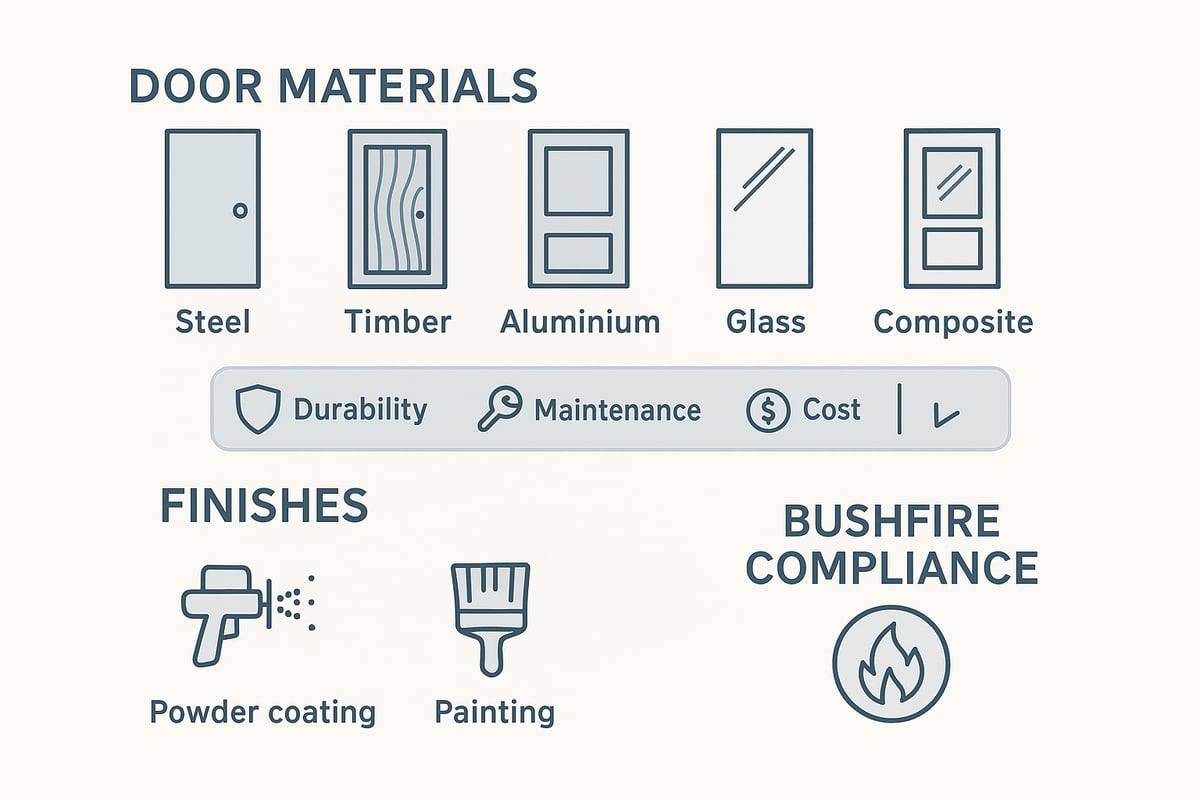
When you order doors, material selection is one of the most important decisions. Steel, especially Colorbond, is a leading choice for its strength, weather resistance, and low maintenance. It is ideal for both residential and commercial roller doors.
Timber offers classic appeal and natural warmth, making it popular in heritage homes and architectural projects. However, it requires regular sealing and maintenance to prevent warping or rot, especially in coastal or humid environments.
Aluminium and composite doors are lightweight, corrosion-resistant, and suitable for modern builds. Aluminium is particularly valued for sliding and sectional doors, bringing a sleek look and long-lasting durability. Glass panels, often used in sectional or sliding doors, provide a contemporary touch and allow natural light, but may require reinforced frames for security.
Selecting the right material when you order doors will influence security, insulation, and appearance.
Selecting the Right Finish
After choosing the material, the next step as you order doors is selecting the ideal finish. Powder coating is a preferred method for steel and aluminium doors, offering a hard-wearing, fade-resistant surface that stands up to harsh Australian conditions. Painting is suitable for timber doors, allowing for custom stains and colours, but may need more frequent touch-ups.
Matching the door finish to your property’s exterior boosts curb appeal and ensures a cohesive look. In 2026, neutral tones such as greys and off-whites remain popular, while bold accent colours and custom palettes are trending for feature doors. For a closer look at available options, explore the Colorbond Colours and Finish Options to help guide your finish selection.
Your finish choice will impact ongoing maintenance and how well your doors retain their appearance over time.
Balancing Cost and Quality
When you order doors, balancing initial cost with long-term value is essential. Materials and finishes vary significantly in price, durability, and maintenance needs. For example, a Colorbond steel roller door is generally more cost-effective over its lifespan compared to a timber sectional door, which may require more frequent upkeep.
Here’s a quick comparison:
| Feature | Colorbond Roller Door | Timber Sectional Door |
|---|---|---|
| Initial Cost | $$ | $$$$ |
| Maintenance | Low | Moderate-High |
| Lifespan | 15-20 years | 10-15 years |
| Appearance | Modern, sleek | Classic, warm |
| Weather Resistance | Excellent | Variable |
Choosing wisely when you order doors helps you save money and avoid unexpected repair costs in the future.
Environmental and Regulatory Considerations
Australian regulations require many properties to meet bushfire attack level (BAL) standards, especially in high-risk regions. When you order doors, ensure your selection complies with local codes for safety and insurance. Steel and aluminium options often have higher bushfire ratings than timber, making them suitable for most areas.
Sustainability is another growing priority. Seek out doors made from recycled steel or responsibly sourced timber, and check for recyclable materials at end-of-life. Some manufacturers offer eco-friendly finishes and energy-efficient insulation, which can add value to your property.
Compliance and sustainability are key factors to consider as you order doors, ensuring your investment is both future-proof and environmentally responsible.
Automation & Accessories: Enhancing Security and Convenience
Embracing automation and accessories is a game-changer when you order doors in 2026. The right solutions boost security, streamline access, and future-proof your property. Let us explore the options that matter most for Australian homes and businesses.
Door Automation Options
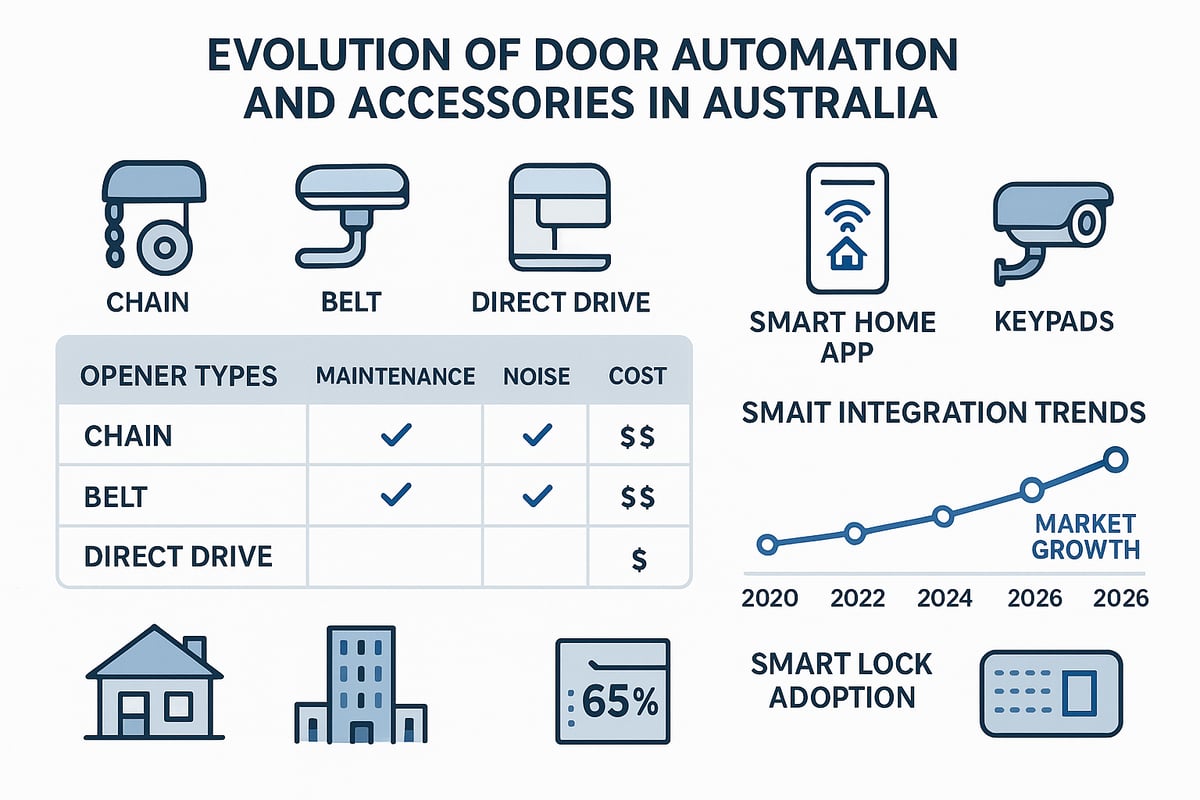
When you order doors today, automation is nearly a standard feature. Openers come in several types, each catering to different needs:
| Opener Type | Best For | Noise Level | Maintenance |
|---|---|---|---|
| Chain Drive | Heavy doors, garages | Moderate | Low |
| Belt Drive | Residential, quiet | Low | Medium |
| Direct Drive | Modern, premium | Very Low | Low |
Smart home integration is now a top priority. Many openers connect with Wi-Fi, allowing control via mobile apps or voice assistants. Security is also advancing rapidly. The Australian smart locks market is projected to grow significantly, reflecting demand for remote access and advanced monitoring, as highlighted in the Australia Smart Locks Market Forecast.
Battery backup and manual release systems ensure access even during power outages. When you order doors, always consider adding these features for peace of mind.
Essential Door Accessories
Accessories can make a big difference when you order doors. Weather seals and insulation kits improve energy efficiency, keeping your garage or workspace comfortable year-round. Wind resistance upgrades are crucial for Australian properties exposed to storms or high winds.
Security add-ons now go beyond traditional locks. Keypads, security cameras, and motion sensors are popular choices, especially for commercial and rental properties. Safety features like auto-reverse and obstacle detection are standard on most modern openers, helping to prevent accidents and protect your investment.
Always match accessories to your specific needs and property location. This ensures the doors you order not only look great but also perform reliably.
Choosing the Right Automation for Your Door Type
Not all automation systems are suitable for every door. When you order doors, compatibility is key. Roller doors, sectional doors, and sliding doors have different opener requirements. For example, heavy commercial roller doors need powerful chain or direct drive openers, while residential sectional doors often pair well with belt drives for quiet operation.
Consider the size and weight of the door, available power supply, and whether you want smart features. Commercial sites may need industrial-grade automation, while homes often prioritise silent operation and app control. Consult with your supplier to ensure seamless integration and long-term reliability.
Future-Proofing Your Investment
Technology is evolving rapidly, so it pays to think ahead when you order doors. Modular automation systems allow for upgrades as new features emerge. For instance, you might install a basic opener now, then add smart home integration or advanced security sensors later.
If you already have a roller door, many modern openers are designed for easy retrofitting. Always ask about upgrade paths and compatibility with future technologies. This approach not only extends the life of your investment but also keeps your property at the cutting edge of convenience and security.
Ordering Process: Step-by-Step Guide for 2026
Ordering new doors requires a clear, step-by-step approach to ensure you get the right fit, features, and long-term value. By following these steps, you can confidently order doors for your property and avoid common pitfalls.
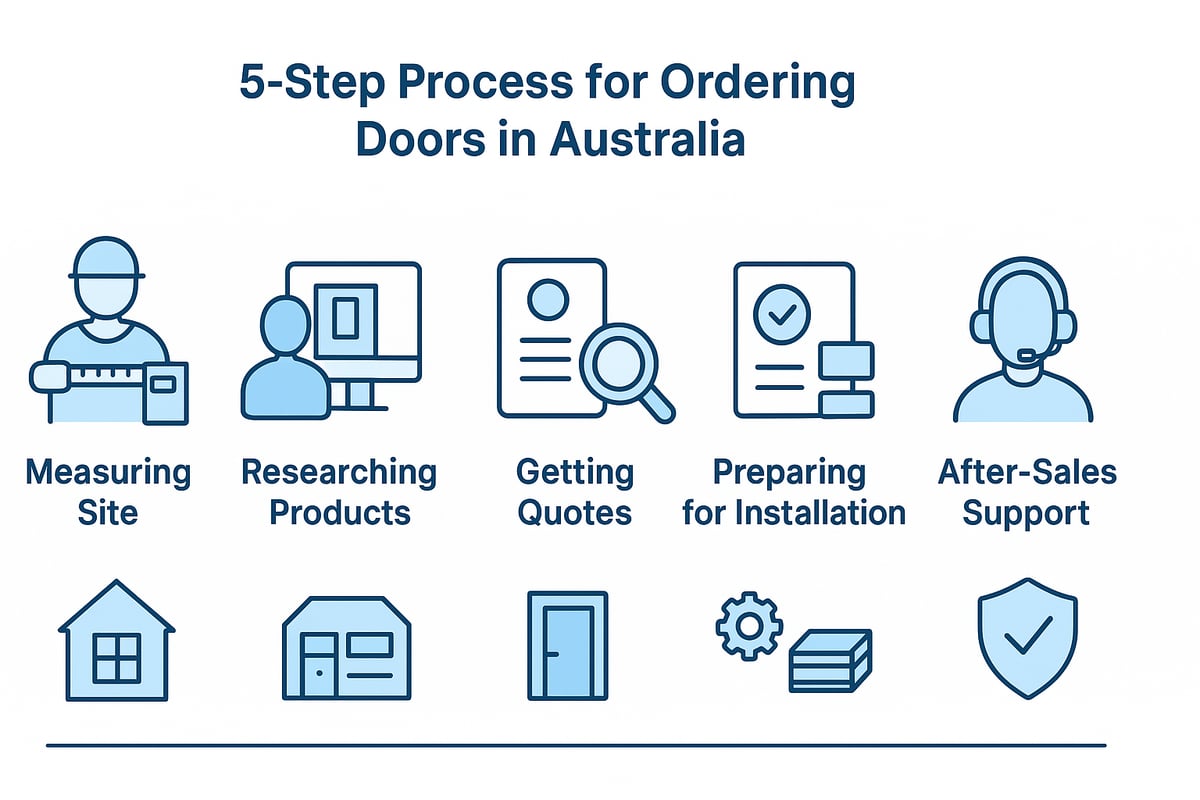
Step 1: Assessing Your Needs and Site
Start by evaluating your property and entry points. Accurate measurements are essential when you order doors, as even minor errors can lead to costly delays. Measure the width, height, and clearance of your opening, noting any structural or regulatory constraints.
Consider your requirements: Do you need automation, insulation, or enhanced security? For sheds or garages in bushfire-prone regions, check for compliance with local BAL ratings. If you are unsure about the measuring process, consult the How to Measure a Garage Door Opening guide for step-by-step instructions.
Careful site assessment ensures your order doors process starts on the right foot and prevents unwanted surprises.
Step 2: Researching and Comparing Products
Next, explore available door types, materials, and features. Use online configurators and instant pricing tools to tailor door options to your needs. Research brands like B&D, Taurean, and NovaTaur, checking for certifications, warranty coverage, and customer reviews.
Compare roller, sectional, and personal access doors based on your property type and usage. Review automation compatibility, insulation options, and security add-ons. Make a shortlist of products that align with your requirements before you order doors.
By comparing thoroughly, you ensure the doors you select will deliver lasting value and performance.
Step 3: Getting Quotes and Placing Your Order
Request itemised quotes from suppliers, specifying all preferred features and finishes. Ask about lead times, delivery methods, and payment terms to avoid hidden surprises. When you order doors, clarity in pricing and inclusions is vital.
Consider both online and in-store ordering channels. Here is a quick comparison:
| Aspect | Online Ordering | In-Store Ordering |
|---|---|---|
| Convenience | 24/7, instant quotes | Personal assistance |
| Price | Often lower, transparent | May include extras |
| Support | Live chat/email | Face-to-face |
Choose the method that best matches your comfort level and project timeline.
Step 4: Preparing for Delivery and Installation
Once your order is placed, prepare your site for delivery and installation. Clear the area around the opening, ensure access for installers, and check that electrical wiring is ready for automation, if required.
Coordinate delivery dates and installation with your supplier or installer. On installation day, expect the team to confirm measurements, fit the door, and test all features. Being organised at this stage will make your order doors experience smooth and efficient.
A little preparation goes a long way to ensure your new door is installed correctly and on schedule.
Step 5: After-Sales Support and Troubleshooting
After installation, register your warranty and familiarise yourself with the supplier’s support process. Most reputable brands offer customer support for troubleshooting common issues like opener faults or alignment problems.
Keep all documentation handy, including receipts and installation notes. Should you encounter any issues after you order doors, prompt communication with your supplier can resolve most concerns quickly.
Routine maintenance and proactive support ensure your new doors deliver security and convenience for years to come.
Installation & Maintenance: Ensuring Long-Term Performance
Installing a new door is a significant investment in your property's security, efficiency, and value. Whether you are upgrading a garage, shed, or commercial space, understanding the right approach to installation and ongoing maintenance is essential when you order doors. Making informed choices now will ensure your doors stand the test of time.
Professional vs DIY Installation
Choosing between professional and DIY installation is a crucial decision when you order doors. Professional installers bring expertise, ensure compliance with Australian standards, and handle complex fittings safely. This is especially important for automation, windlocked systems, or large sectional doors.
DIY installation is feasible for standard roller or personal access doors if you have the right tools and skills. Time, safety, and warranty should be considered. Most manufacturers require professional installation for warranty validity. For a step by step overview of DIY installation, the Installing a Roller Door Guide is a valuable resource.
Always check if your project requires licensed trades for electrical connections or structural modifications. In summary, professional installation offers peace of mind, while DIY may suit straightforward projects for experienced individuals.
Maintenance Best Practices
Routine maintenance is vital to maximise the lifespan and performance of any door you order. Schedule regular inspections every six months. Lubricate moving parts such as rollers, hinges, and tracks. Clean surfaces to prevent dust, debris, and rust buildup. Check balance and alignment to ensure smooth operation.
Common issues like rust, misalignment, or weather damage are best addressed early. For example, maintaining a Colorbond roller door involves washing with mild detergent, rinsing thoroughly, and checking for scratches or chips.
A simple maintenance checklist includes:
- Lubricate all moving parts
- Inspect weather seals and insulation
- Clean tracks and exterior surfaces
- Test auto-reverse and safety features
Staying proactive with maintenance reduces repair costs and extends the life of your doors.
Warranty and Support Considerations
Understanding warranty terms is essential when you order doors, as coverage can vary based on material, brand, and installation method. Most warranties cover defects in materials and workmanship, but may exclude damage from improper installation or lack of maintenance.
Register your warranty after installation for seamless support. Keep records of all service and maintenance activities, as these may be required for claims. Access to spare parts and responsive after-sales service is crucial for long term satisfaction.
Choose suppliers with strong local support networks to ensure help is available if issues arise. This is particularly important for automated or custom sized doors, where specific components may be needed.
Cost of Installation and Maintenance
Budgeting accurately when you order doors helps avoid surprises. Professional installation typically ranges from $400 to $900 for residential roller or sectional doors, depending on complexity and location. DIY installation may save on labour, but consider the cost of tools and potential for costly mistakes.
Ongoing maintenance costs are modest compared to major repairs or premature replacement. Investing in regular servicing, especially for automated doors, can yield significant long term savings.
| Installation Option | Typical Cost (AUD) | Ongoing Maintenance (per year) |
|---|---|---|
| Professional | $400–$900 | $60–$120 |
| DIY | $0–$200 (tools) | $40–$100 |
Allocating funds for both installation and maintenance ensures your doors continue to perform reliably, protecting your property and investment.
Expert Tips & Mistakes to Avoid When Ordering Doors
Ordering the right door can transform your property and avoid headaches down the track. Whether you are a homeowner, builder, or renovator, having a plan when you order doors is essential. Below, we share expert insights to streamline your experience and help you make confident, future-ready choices.
Insider Tips for a Smooth Ordering Experience
Getting your order doors process right begins with preparation. Double-check all measurements, including width, height, and opening clearance, before you order doors. Even a small error can cause costly rework or delays.
Consulting with a professional is wise, especially for custom or complex projects. They can advise on wind ratings, bushfire compliance, and the best door type for your needs. Use online configurators to visualise your options and get instant pricing. These tools help you compare brands and finishes, ensuring your order doors selection is tailored to your property.
- Always confirm local regulations and council requirements.
- Take clear site photos to share with your supplier.
- Keep a checklist of must-have features, such as insulation or automation.
Following these steps helps you avoid surprises and ensures your order doors experience is seamless from start to finish.
Common Mistakes and How to Avoid Them
When people order doors, some mistakes come up time and again. One of the most common is underestimating the space needed for installation. Check headroom, side room, and driveway clearance, especially when choosing between roller and sectional doors.
Neglecting local rules, like bushfire ratings, can cause compliance issues. Always verify your chosen door meets BAL requirements if you live in a bushfire-prone area. Another pitfall is selecting automation or security accessories that do not match your door type, leading to compatibility problems.
- Measure twice, order doors once.
- Ask your supplier about warranty and after-sales support.
- Review product certifications for durability and safety.
Learning from these mistakes will help you order doors that are safe, compliant, and reliable.
Maximising Value and Future-Proofing
To get the best long-term value when you order doors, look for options that offer upgrade paths. For instance, choose doors that support future automation or smart home integration, even if you do not install these features immediately.
Prioritise energy efficiency and insulation, especially for garages or workshops exposed to harsh weather. Materials like aluminium and insulated steel are popular for their durability and low maintenance. For coastal properties, aluminium sliding doors are a smart choice for corrosion resistance, as highlighted in this Durability of Aluminium Sliding Doors in Australia article.
Think about resale value and curb appeal. Custom colours, modern finishes, and quality hardware can boost your property’s appeal for years to come. When you order doors with these factors in mind, you ensure your investment stands the test of time.
Real-World Examples and Case Studies
Consider these real-world outcomes when you order doors:
- A homeowner in a windy suburb avoided major repairs by choosing a windlocked roller door, recommended by their supplier.
- A builder managing a multi-unit development saved time and money by using an online platform to order doors with custom sizing and instant quotes.
- A business owner upgraded their warehouse with a sectional door and smart automation, improving both security and workflow.
These examples show that the right order doors decision can deliver cost savings, peace of mind, and increased property value.
Latest Data and Industry Insights
The Australian door market is rapidly evolving. According to Australia Doors and Windows Market Growth Projections, the industry is set to reach AUD 8.9 billion by 2034. Smart features, sustainable materials, and custom designs are leading trends.
Below is a summary of current buyer preferences:
| Feature | % of Buyers Requesting |
|---|---|
| Automation/Smart | 62% |
| Wind/Bushfire Rated | 43% |
| Custom Colour | 38% |
| Sustainability | 29% |
Keeping up with these trends helps you order doors that meet both current and future needs.
Frequently Asked Questions
How long does it take to receive a custom order doors request?
Lead times vary, but most custom doors take 3–6 weeks from order to installation.
What are the most durable finishes for coastal areas?
Powder-coated aluminium and Colorbond steel are ideal for resisting salt and corrosion when you order doors for coastal properties.
Can I retrofit automation to an existing door?
Yes, most modern roller and sectional doors allow for retrofit automation. Check compatibility before you order doors accessories.
Resources for Further Help
For more support as you order doors, consider these resources:
- Find certified installers through industry associations.
- Review product guides and warranty info from top brands.
- Check local council websites for building and compliance regulations.
- Use online configurators for instant quotes and visualisation.
A little research upfront ensures your order doors process is smooth and your results are built to last.
After exploring the key door types, material options, and expert tips for ordering in 2026, you can see how choosing the right solution can really enhance your property’s value, security, and style. If you’re considering a modern upgrade that combines strength, insulation, and a clean finish, sectional garage doors are an excellent choice for both homes and businesses. Ready to take the next step and find the right fit for your project? You can browse a wide range of options, check instant pricing, and get started today—simply Buy a sectional garage door.