
Thinking about upgrading your home in 2026? There has never been a better time to consider a residential roller shutter for your windows, doors, or garage. With rising demand for home security and energy efficiency, modern roller shutters offer a smart solution that blends safety, comfort, and style.
This expert guide walks you through the latest types, materials, installation steps, and smart automation options available for Australian homes. Discover how to boost property value, save on energy costs, and protect your home from the elements. Ready to make an informed decision? Start your 2026 project here.
Understanding Residential Roller Shutters: Types, Materials & Benefits
Residential roller shutter solutions have become an essential feature in Australian homes, providing a blend of security, comfort, and style. Whether you are building new, renovating, or simply looking to upgrade, understanding the fundamentals of a residential roller shutter is the first step to making an informed choice.
What Are Residential Roller Shutters?
A residential roller shutter is a protective barrier, typically made from interlocking slats, mounted over windows, doors, or garages to enhance a home's security and comfort. Unlike commercial shutters, which are often larger and built for industrial environments, residential roller shutter models are designed for domestic aesthetics, quieter operation, and tailored fit for homes.
Common installation locations for a residential roller shutter include street-facing windows, patio doors, garage entries, and even alfresco areas. These shutters provide a seamless look while delivering robust protection against weather and intrusion. To explore the full range of options available for Australian homes, see the Roller Shutter Door Collection.
Types of Roller Shutters in 2026
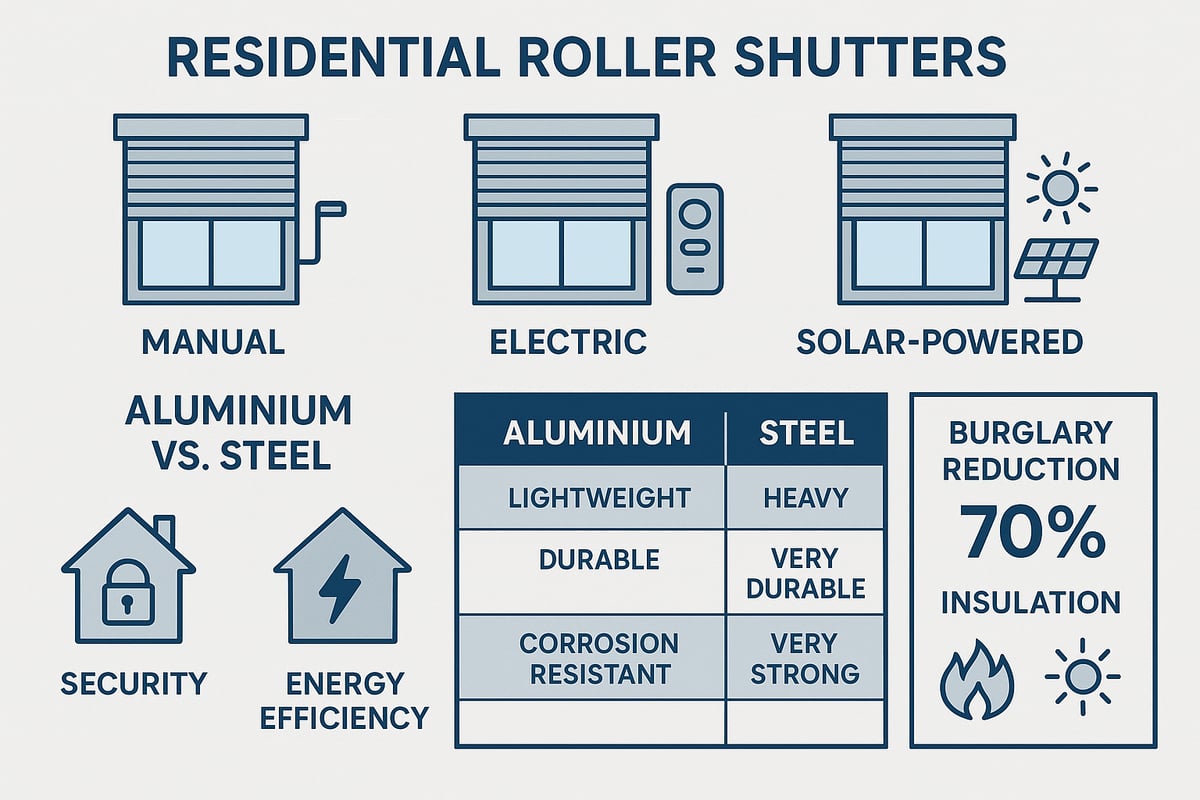
In 2026, homeowners can select from a diverse array of residential roller shutter types to meet their unique needs. Manual shutters offer a cost-effective, reliable solution with simple hand-crank or strap operation. Electric roller shutters provide convenient, push-button or remote control access, while solar-powered models use renewable energy, making them ideal for eco-conscious households.
Specialised residential roller shutter designs are available, such as security shutters with reinforced slats, bushfire-rated models for high-risk zones, and insulated versions for thermal management. Domestic shutters are crafted for everyday home use, while semi-commercial options offer additional strength for larger openings or mixed-use properties.
Materials & Finishes
Selecting the right material is crucial for long-lasting performance. The most popular residential roller shutter materials are aluminium and steel, each offering distinct benefits:
| Material | Durability | Insulation | Cost | Maintenance |
|---|---|---|---|---|
| Aluminium | High | Excellent | Medium | Low |
| Steel | Very High | Good | High | Medium |
Aluminium shutters are lightweight, corrosion-resistant, and ideal for the Australian climate. Steel provides maximum strength, especially for security-focused applications. Powder-coated and Colorbond finishes ensure the residential roller shutter blends seamlessly with your home's exterior. For a unique look, timber-effect and custom colour options are also available, allowing personalisation to suit any architectural style.
Key Benefits for Homeowners
A residential roller shutter delivers a broad spectrum of benefits:
- Enhanced security: Recent Australian Bureau of Statistics home burglary statistics 2023-24 show that homes with visible security features are far less likely to be targeted by intruders.
- Energy efficiency: Quality shutters can reduce heat transfer by up to 40 percent, lowering air conditioning costs and improving comfort.
- Noise reduction: Shutters dampen outside noise, creating a quieter indoor environment.
- Privacy and light control: Easily adjust the level of privacy and sunlight entering your space.
- Storm and bushfire protection: Many residential roller shutter models are BAL-rated for bushfire zones, providing critical protection during extreme weather.
Common Misconceptions & Buyer Mistakes
When choosing a residential roller shutter, some misconceptions can lead to costly mistakes. Common myths include believing that automated shutters need frequent maintenance or that all shutters are suitable for bushfire zones without checking their rating.
Buyers often overlook the importance of complying with local building codes or bushfire requirements, which can affect insurance and safety. Underestimating the complexity of installation, especially for motorised systems, is another frequent error. Always consult with reputable suppliers and installers to ensure your residential roller shutter meets all regulatory and performance standards.
How to Choose the Right Roller Shutter for Your Home
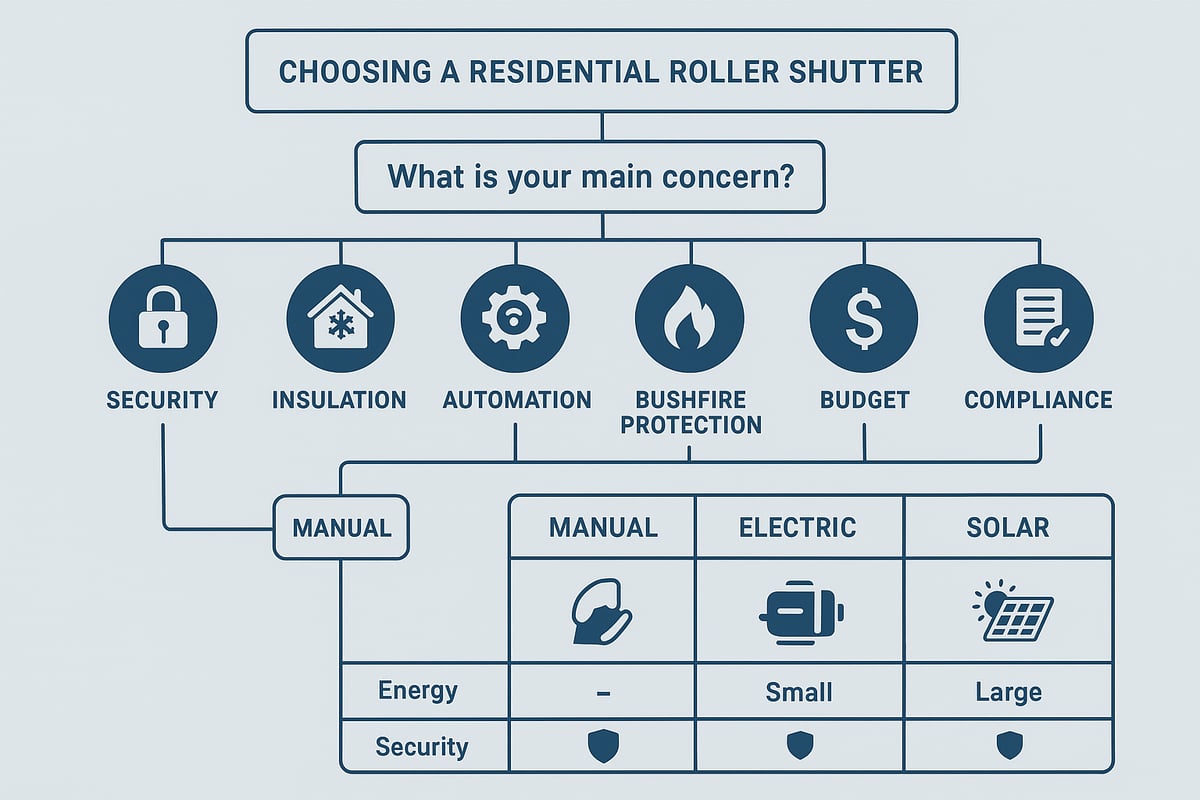
Selecting the ideal residential roller shutter involves more than just picking a style or colour. It’s about balancing security, climate needs, energy savings, and aesthetics for your property. This section guides you step by step, so you can confidently match the right solution to your home.
Assessing Your Needs & Property Requirements
Begin by evaluating what you want from a residential roller shutter. Consider your security requirements, especially if your suburb has a history of break-ins or you’re concerned about privacy. Think about climate factors, such as whether you need to block harsh sun, reduce heat loss, or limit noise from busy streets.
Aesthetics play a role, too. If you live in a heritage area, check for overlay restrictions on colours or external fixtures. Measure all intended openings carefully, including windows, doors, and garages, to ensure a perfect fit. For a detailed comparison of available types, visit the Domestic Roller Doors Overview, which can help you weigh the benefits of each solution for your home.
Comparing Features and Innovations for 2026
The latest residential roller shutter options bring advanced features that go beyond traditional designs. Smart home integration is a standout, letting you control shutters with WiFi, apps, or even voice assistants like Alexa and Google Home. Battery backup and solar-powered upgrades add resilience during power outages and offer eco-friendly operation.
Safety is paramount, so look for child-safe designs and manual override capabilities, ensuring you can always operate your shutters in an emergency. Compare insulation, noise reduction, and bushfire ratings across models to find the right fit for your lifestyle. Innovation in the roller shutter market means you can future-proof your investment with technology that adapts with your home.
Energy Efficiency & Insulation Ratings
Energy performance is a key factor when choosing a residential roller shutter. Look at U-values and R-values, as these measure how well your shutters insulate your home. Models with high ratings can help cut heating and cooling costs by up to 30 percent, making your home more comfortable year-round.
Energy Star ratings are also worth considering, especially if you’re aiming for a sustainable upgrade. By investing in quality shutters, you’ll reduce your energy bills and your carbon footprint. Always compare these ratings when shortlisting products to maximise savings and efficiency.
Bushfire, Storm, and Security Compliance
Australian standards require that certain properties install compliant residential roller shutter systems, especially in bushfire-prone regions. Check for BAL-rated shutters if your home is in a bushfire zone, as these are designed to withstand high temperatures and ember attacks.
For areas exposed to cyclones or severe storms, ensure your shutters meet windload requirements under AS/NZS 4505 standards. Many insurers offer premium discounts if you install compliant security shutters, making it a smart move for both safety and savings. Always verify compliance for peace of mind and insurance eligibility.
Budgeting & Cost Considerations
Budget plays a significant role in selecting your residential roller shutter. Manual shutters are typically more affordable, while automated or solar-powered systems come at a higher upfront cost but offer convenience and energy savings. Factor in customisation, such as colour choices and slat profiles, as these can affect the final price.
Installation costs vary, especially if electrical work is required. Consider the typical return on investment, with many homeowners recouping costs through lower energy bills and increased property value within a few years. Request detailed quotes to avoid surprises and compare warranties for long-term value.
Step-by-Step Roller Shutter Installation Process
Installing a residential roller shutter is a project that rewards careful planning and attention to detail. Whether you choose DIY or professional installation, understanding each stage will help you achieve a secure, high-performing result for your home.
Pre-Installation Preparation
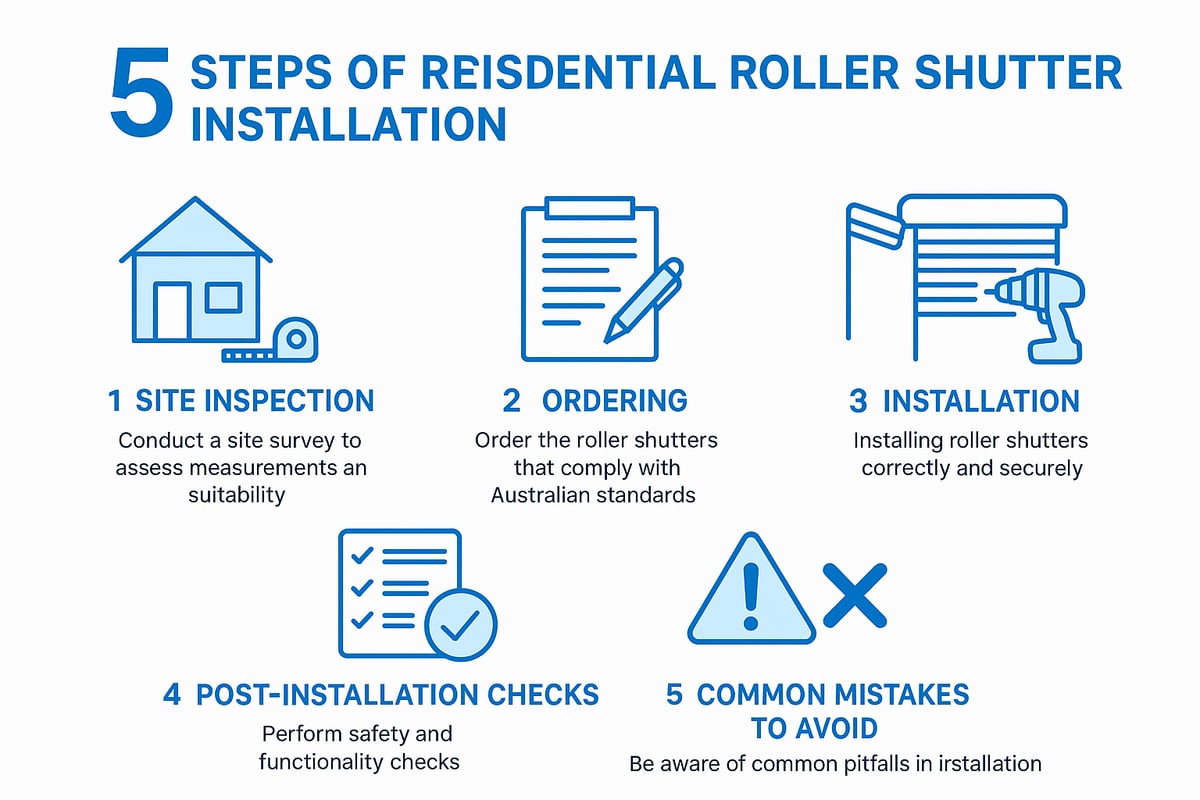
Proper preparation is the cornerstone of a successful residential roller shutter installation. Begin with a thorough site inspection. Measure all windows, doors, or garages where shutters will be fitted. Accurate measurements are vital, as even a small error can cause costly delays.
Check local council requirements and building codes, especially if your property is in a bushfire-prone or heritage zone. Some areas require specific approvals for external window coverings. Next, decide whether you will install the residential roller shutter yourself or hire a licensed professional. DIY can save on labour costs but demands precision, the right tools, and a clear understanding of compliance obligations.
Finally, clear the installation area and ensure easy access for ladders, tools, and shutter components. Preparation sets the stage for a smooth and compliant installation process.
Selecting and Ordering Your Shutters
With measurements and compliance checks complete, you are ready to select and order your residential roller shutter. Choose a supplier with a solid reputation, clear warranty terms, and strong after-sales support. Lead times can vary, so confirm delivery windows and plan your project accordingly.
Customisation options include colours, slat profiles, and automation features to suit your home’s style and needs. When placing your order, double-check all specifications. Ask about product warranties, installation manuals, and customer service availability. A well-chosen supplier ensures your residential roller shutter meets both performance and aesthetic expectations.
Installation Steps Explained
Once your residential roller shutter arrives, inspect all components before starting. Unbox carefully and cross-check parts against the supplier’s list. Begin by mounting the guides and brackets, making sure they are level and securely fixed.
Next, install the shutter headbox above the window or door. Fit the tracks and insert the curtain, ensuring smooth movement. For electric shutters, engage a licensed electrician to connect wiring and controls. This is essential for safety and legal compliance. Manual shutters will require careful attachment of straps or winders.
After assembly, test the operation in both open and closed positions. Check for smooth travel and responsive controls. Install finishing trims and apply weatherproofing to seal any gaps.
Here is a summary of key steps:
| Step | Key Actions |
|---|---|
| Unboxing | Check all parts and instructions |
| Mounting Guides/Brackets | Level and fix securely |
| Headbox & Tracks | Align, install, insert curtain |
| Electrical Wiring | Licensed electrician only |
| Testing | Open/close, check safety features |
| Finishing Touches | Seal, trim, weatherproof |
For detailed safety and compliance guidelines, refer to AS/NZS 4505:2012 Garage doors and other large access doors, which outlines Australian standards for roller shutter installation.
Completing each step carefully ensures your residential roller shutter operates safely and delivers maximum security, insulation, and storm protection.
Post-Installation Checklist
Once your residential roller shutter is installed, run a final check to confirm smooth and reliable operation. Open and close the shutter several times, listening for unusual noises and ensuring it locks securely.
Complete any required compliance documentation and arrange for an inspection if necessary. Register your product warranty with the supplier, keeping all paperwork for future reference. This step is crucial for long-term support and peace of mind.
Regularly review the installation to ensure weatherproof seals remain intact and all controls respond as expected. A thorough post-installation process protects your investment and ensures ongoing performance.
Common Installation Mistakes & How to Avoid Them
Avoiding common errors will save time, money, and frustration with your residential roller shutter. Watch for these pitfalls:
- Incorrect measurements leading to ill-fitting shutters
- Skipping required electrical compliance or DIY wiring
- Poor weather sealing that allows water intrusion
- Failing to follow manufacturer installation guidelines
To prevent these issues, always measure twice and cut once. Use licensed professionals for electrical work. Double-check all seals and consult the installation manual before proceeding. Taking care at each stage ensures your residential roller shutter delivers years of trouble-free service.
Automation, Smart Features & Security Upgrades for 2026
Residential roller shutter technology is experiencing a wave of innovation, making 2026 the ideal year to invest in smarter, safer, and more energy-efficient solutions. Whether you are building, renovating, or upgrading, understanding the latest advancements ensures your property stays ahead of the curve.
Latest Automation Technologies
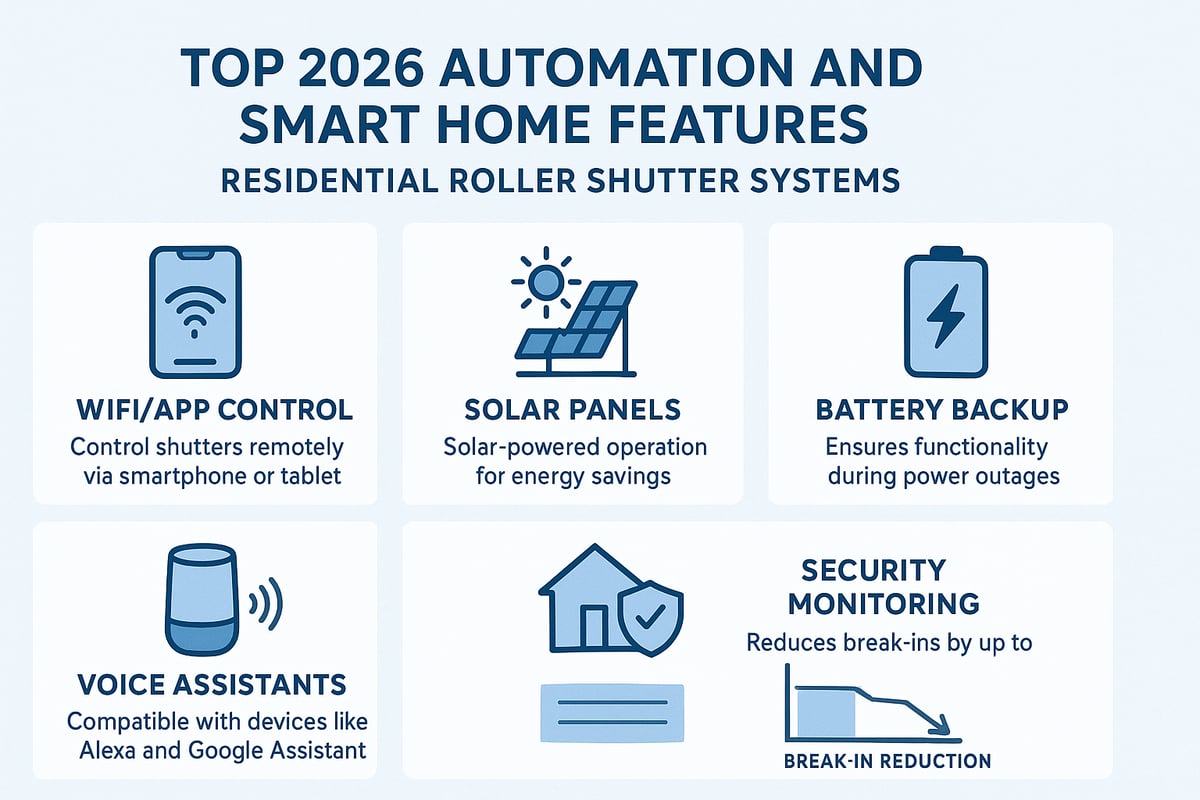
The modern residential roller shutter now offers seamless integration with leading smart home platforms, including Google Home, Alexa, and Apple HomeKit. Homeowners can operate shutters using dedicated mobile apps, remote controls, or even scheduled routines to match daily habits.
Battery backup and solar-powered motors provide uninterrupted operation during blackouts, giving peace of mind in any situation. Timers and programmable settings allow you to automate opening and closing, maximising comfort and convenience.
Many 2026 models feature advanced diagnostics, sending maintenance alerts directly to your phone. This proactive approach keeps your residential roller shutter functioning smoothly all year round.
Security Enhancements
Security is a top priority for any residential roller shutter installation. In 2026, reinforced slats, tamper-resistant locks, and windlocked guides are standard features, offering robust protection against forced entry.
Leading systems now include real-time monitoring, with sensors that detect tampering and instantly notify homeowners. Automated shutters have been shown to reduce break-in rates, as they present a visible deterrent and can be programmed to simulate occupancy.
For a deeper dive into compliance, ratings, and the latest security standards, see High Security Roller Shutters: Cost, Ratings & Best Options. This resource explains how to select a residential roller shutter that meets Australian Standards for both security and bushfire protection.
Energy Management & Sustainability
Today’s residential roller shutter is designed with sustainability in mind. Timed operation and sun sensors automatically adjust shutters to block out heat in summer and retain warmth in winter, leading to significant energy savings.
Eco-friendly materials, such as powder-coated aluminium and recycled components, are now widely available. Many homeowners are opting for solar panel integration, enabling shutters to operate off-grid and further reduce their environmental footprint.
By making these smart choices, you can cut heating and cooling bills while supporting a greener future with your residential roller shutter system.
Accessibility & User-Friendly Controls
Accessibility is at the forefront of residential roller shutter design in 2026. Voice command features and tactile wall switches make operation simple for elderly residents or those living with a disability.
Child safety is also a major consideration. Modern systems include obstacle detection, auto-stop functions, and tamper-proof controls to prevent accidents. Manual override features ensure you can always operate shutters in the event of a power outage.
These user-friendly upgrades ensure every member of the household can easily and safely enjoy the benefits of a residential roller shutter.
Future Trends in Roller Shutter Technology
Looking ahead, artificial intelligence is set to transform how residential roller shutter systems operate. Predictive controls will learn from your routines and local weather, adjusting automatically for optimal comfort and security.
Integration with whole-home energy management systems will become standard, allowing shutters to work in tandem with lighting, heating, and cooling for maximum efficiency. New regulatory standards are on the horizon, with a focus on sustainability and safety.
Staying informed of these trends ensures your residential roller shutter investment remains future-proof and continues to add value to your property.
Maintenance, Repairs & Troubleshooting: Keeping Your Shutters in Top Shape
Regular upkeep is vital for any residential roller shutter. By following the right maintenance routine, you can ensure your investment delivers security, efficiency, and performance year after year. Here is how to keep your shutters running smoothly and what to do when issues arise.
Routine Cleaning & Care
Keeping your residential roller shutter clean is the first step to long-term reliability. Aim to clean the exterior and tracks every three to six months using a soft cloth and mild detergent.
Avoid abrasive cleaners or high-pressure hoses, which can damage finishes. In coastal regions, rinse shutters more frequently to remove salt and reduce corrosion risk. Lubricate moving parts with silicone spray twice a year to prevent sticking.
A regular cleaning schedule not only enhances appearance but also helps detect early signs of wear. Always check for debris in tracks and ensure the slats move freely. This simple habit extends the life of your residential roller shutter.
Common Issues & Quick Fixes
A residential roller shutter may occasionally develop minor faults. Common issues include noisy operation, slats sticking, or the shutter not opening smoothly.
If you hear grinding or rattling, inspect the tracks for debris and apply silicone lubricant. For manual shutters, check the strap or winder for fraying. Electric models might fail due to flat batteries or power outages; resetting the control unit can often resolve the problem.
Damaged slats or weather seals should be replaced promptly to maintain insulation and security. Always consult your manufacturer's guide before attempting repairs. Addressing small problems early prevents bigger headaches for your residential roller shutter.
When to Call a Professional
Some residential roller shutter faults require expert attention. If you notice persistent electrical issues, unusual noises after DIY fixes, or alignment problems that prevent smooth operation, it is time to call a licensed technician.
Attempting complex repairs can void warranties or create safety hazards. For motor replacements, electrical wiring, or structural repairs, always use a qualified professional.
Many suppliers maintain networks of certified repairers across Australia, ensuring reliable service for your residential roller shutter. Remember, professional servicing safeguards your warranty and your home's security.
Upgrading & Retrofitting Older Shutters
Modernising an older residential roller shutter is a smart way to boost comfort and protection. You can retrofit automation kits to convert manual shutters to electric, integrate smart controls, or add battery backup.
For properties in bushfire or cyclone-prone areas, upgrading to Domestic Windlocked Roller Doors can dramatically improve storm resistance and meet the latest safety standards.
Enhancements like insulated slats or noise-reducing seals are also available. Retrofitting extends the value of your residential roller shutter and ensures your home stays protected and efficient.
Maximising Lifespan & Warranty Coverage
To get the most from your residential roller shutter, register your product with the manufacturer and keep all documentation. Adhere to recommended maintenance intervals and record service dates.
Most warranties cover defects for five to ten years, provided proper care is maintained. Regular servicing catches issues early, reduces repair costs, and keeps your warranty valid.
For example, a homeowner who scheduled annual checks avoided major repairs and claimed a full replacement under warranty when a motor failed. Taking these steps ensures your residential roller shutter delivers lasting peace of mind.
Roller Shutter Costs, Rebates & Value for Money in 2026
Choosing a residential roller shutter in 2026 means balancing up-front costs with long-term value. Homeowners want security, energy efficiency, and style without overspending. Understanding all costs, available rebates, and potential returns ensures you make a smart investment for your property.
Price Breakdown: What to Expect in 2026
The cost of a residential roller shutter depends on the type, size, and features you select. Manual models typically start from $400 to $700 per window, while electric versions range from $800 to $1,200. Solar-powered shutters, popular for their efficiency, can reach $1,300 to $1,800 per unit. Installation fees generally add $250 to $600 per shutter, depending on complexity.
| Shutter Type | Price (each) | Automation Upgrade | Example Product |
|---|---|---|---|
| Manual | $400-$700 | N/A | |
| Electric | $800-$1,200 | $300-$500 | Taurean Roller Shutter Door |
| Solar-Powered | $1,300-$1,800 | $400-$600 |
Custom colours, remote controls, or bushfire-rated upgrades increase costs. Always request detailed quotes to compare options for your residential roller shutter project.
Rebates, Incentives & Financing Options
Homeowners may access state or federal energy efficiency rebates when installing a residential roller shutter, especially if it boosts insulation and reduces power bills. Some local councils offer incentives for bushfire protection upgrades.
Look for:
- State-based energy rebates (check current eligibility)
- Low-interest “green” finance for eco home improvements
- “Buy now, pay later” plans from major suppliers
- Insurance premium discounts for enhanced security
Confirm all rebate conditions before purchase. These savings make upgrading to a residential roller shutter more affordable in 2026.
Calculating ROI: Energy, Security & Property Value
A residential roller shutter can reduce household cooling costs by up to 30 percent, saving an average home $300 per year. Enhanced security may also lower insurance premiums. According to House break-ins in Australia: How to stay safe and reduce risk, improved window protection is a proven deterrent.
Benefits include:
- Lower energy bills from better thermal insulation
- Potential increase in property value and buyer appeal
- Insurance savings for security-conscious homes
Calculate payback by dividing your total investment by estimated annual savings to see how quickly your residential roller shutter pays for itself.
Avoiding Budget Pitfalls
Hidden costs can surprise even savvy buyers. When budgeting for your residential roller shutter, account for:
- Electrical wiring and compliance fees
- Council permits, especially in bushfire zones
- Premium finishes or custom colours
- Ongoing maintenance and repairs
Compare multiple supplier quotes, check warranty conditions, and review after-sales support to avoid unexpected expenses. Careful planning ensures your residential roller shutter delivers true value for money.
Now that you have a clear understanding of the latest roller shutter types, smart features, and installation steps for 2026, you are well equipped to boost your home's security, comfort, and energy efficiency. If you are ready to take the next step and want peace of mind for your family, consider a solution built for Australian conditions. Explore our reliable, wind-resistant options and see how easy it is to enhance both style and protection. Take a look at your choices and Buy a Windlocked Roller Door for lasting value and expert support.