
In 2026, choosing the right garage door in home design is more important than ever for Australian homeowners. The perfect garage door not only boosts your property's security and street appeal but also adds everyday convenience and value.
This expert guide walks you through everything you need to know, from popular door types and material options to the latest automation trends, installation steps, maintenance best practices, and true cost insights.
Whether you want modern style, advanced security, or seamless smart integration, you'll find the latest innovations and practical advice to help you make informed decisions that enhance your home's safety and lifestyle.
Types of Garage Doors for Australian Homes
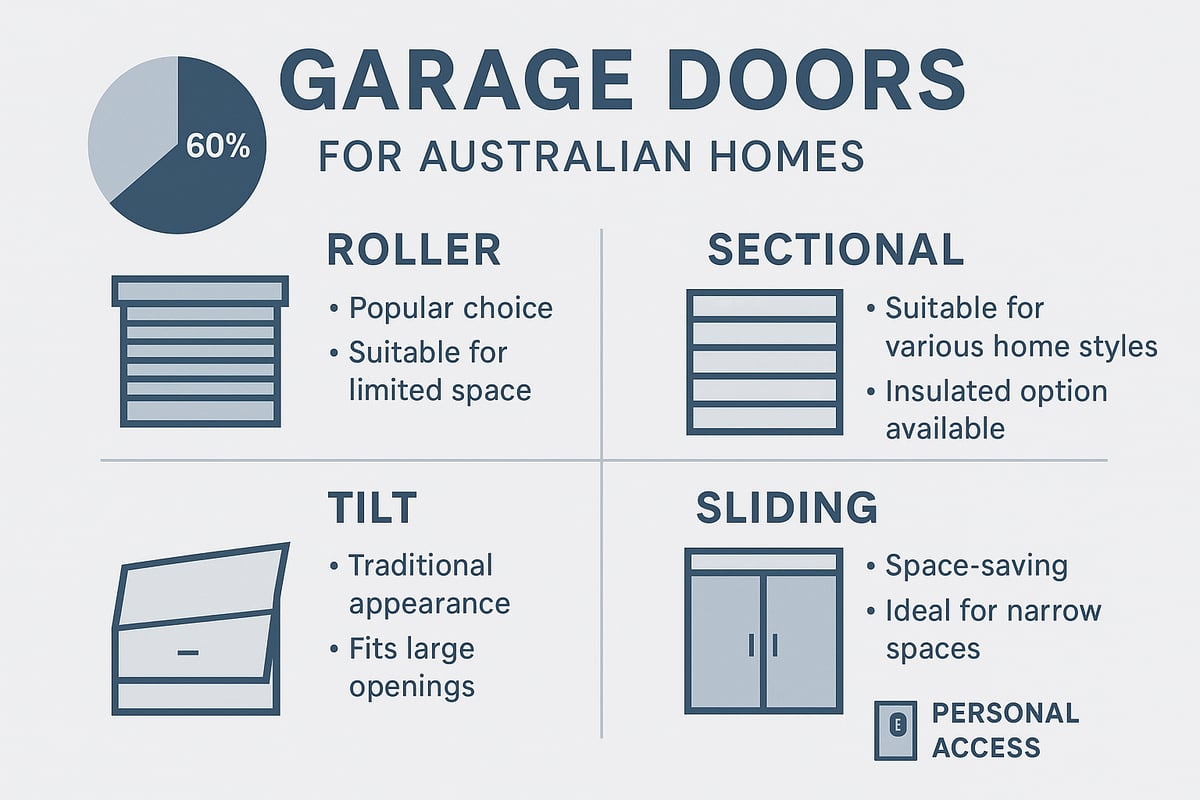
Choosing the right garage door in home design is crucial for both functionality and style in Australia. Homeowners are presented with several main types, each offering unique advantages for different spaces and architectural preferences. The most popular options include roller doors, sectional doors, tilt doors, and sliding doors. Recent industry statistics show roller doors maintain a commanding 60% market share, thanks to their space efficiency and reliability. Sectional doors are rapidly gaining ground due to their versatility and modern appeal, while tilt and sliding doors cater to specific needs such as low headroom or wide openings. Understanding each type helps you make an informed choice for your garage door in home projects.
Overview of Popular Garage Door Types
Australian homes commonly feature four main garage door in home solutions: roller, sectional, tilt, and sliding doors. Each type is designed to suit different property layouts and homeowner preferences. Roller doors are perfect for compact driveways and dominate the market, while sectional doors offer a modern, panelled look that complements contemporary architecture. Tilt doors are ideal where ceiling space is limited, and sliding doors work best for extra-wide garage openings. According to recent market data, the roller garage door in home applications remains the top choice due to its practicality and reliability.
Roller Doors: Features & Benefits
The roller garage door in home settings is celebrated for its compact, vertical roll-up design that maximises driveway space. This makes it particularly suited for smaller blocks or urban properties. Security is a key advantage, with robust locking systems and wind resistance features making them ideal for homes in exposed locations. For homeowners in cyclone-prone regions, windlocked roller doors for homes provide enhanced protection against severe weather. The roller garage door in home use is also known for its low maintenance and long-lasting performance.
Sectional Doors: Versatility & Aesthetics
Sectional garage door in home installations offer outstanding design flexibility. These doors are made of separate horizontal panels that slide upwards, allowing for customisable finishes and patterns. Popular choices include timbergrain textures for a classic look and Colorbond steel for a sleek, modern appearance. Sectional doors can also be insulated, helping to improve energy efficiency and comfort inside the garage. Homeowners often compare the visual impact of a timbergrain finish versus the durability of Colorbond, ensuring their garage door in home projects reflect both style and practicality.
Tilt Doors and Sliding Garage Doors
A tilt garage door in home design is best for spaces with minimal headroom, as it operates on a single solid panel that pivots upward. This simplicity makes it reliable and easy to maintain, though it does require clear space in front of the garage. Sliding doors, on the other hand, move horizontally and are excellent for garages with wide openings or where integration with indoor-outdoor living is desired. Sliding glass garage door in home solutions are becoming popular for blending garage and living spaces, but they do require more lateral space for operation.
Personal Access (PA) Doors in Garage Design
Incorporating a personal access (PA) garage door in home layouts brings added convenience and safety. These integrated doors allow you to enter the garage without opening the main door, ideal for quick access or when carrying items. PA doors can be fitted to roller, sectional, or even shed garage doors, enhancing functionality for workshops and storage spaces. They must comply with Australian building codes, ensuring proper security and fire safety standards. For many, a PA garage door in home projects is a practical upgrade that streamlines daily routines.
Choosing the Right Garage Door Material & Finish
Selecting the right material and finish for your garage door in home is a crucial decision. The choice impacts durability, energy efficiency, security, appearance, and long-term maintenance. Australian homeowners in 2026 have more options than ever, so understanding the strengths of each material is key to making a confident investment.
Steel, Aluminium, Timber, and Composite Options
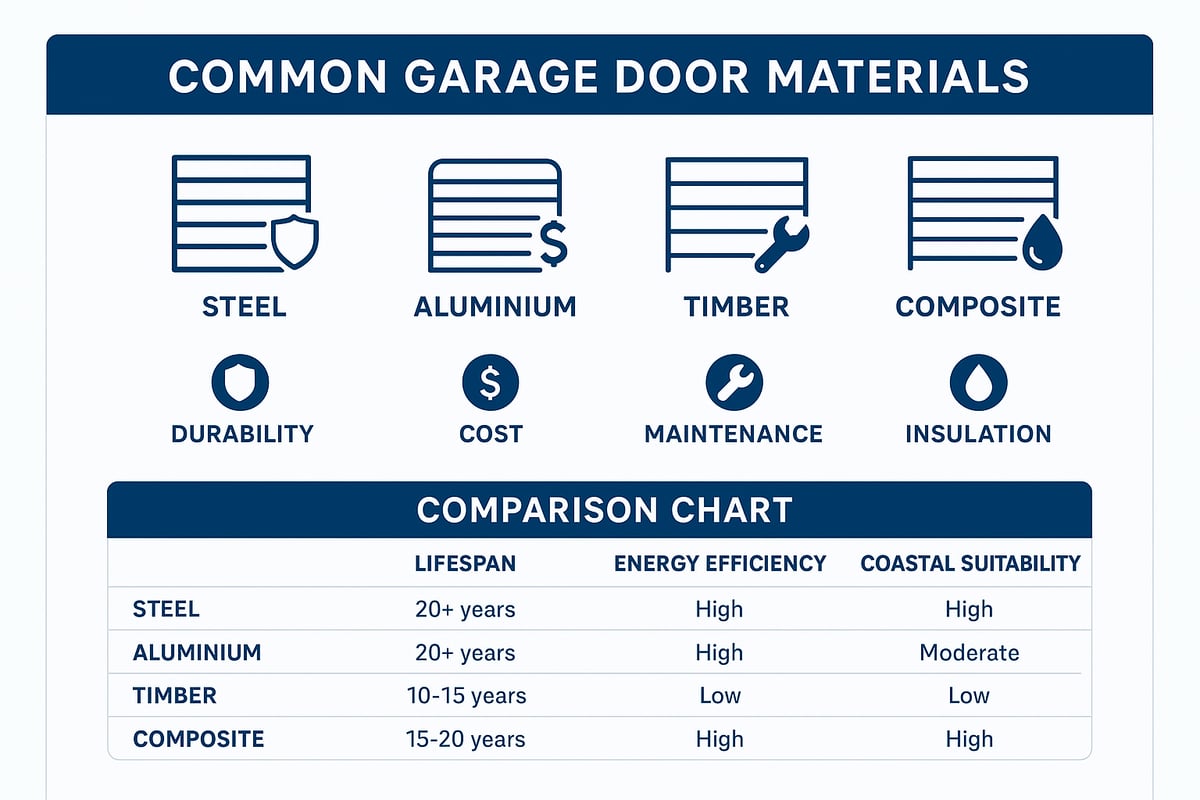
When choosing a garage door in home, material selection is the foundation. Steel doors, especially Colorbond, are the most popular across Australia due to their resilience, affordability, and minimal upkeep. Aluminium is prized for its lightweight nature and corrosion resistance, making it ideal for coastal homes prone to salt exposure.
Timber doors offer timeless appeal and can be custom-designed, but require more maintenance and are generally costlier. Composite doors combine a timber look with steel or aluminium cores, delivering a balance of style and practicality.
| Material | Durability | Maintenance | Cost | Best for |
|---|---|---|---|---|
| Steel | High | Low | Moderate | Most locations |
| Aluminium | Moderate | Very low | Moderate | Coastal homes |
| Timber | Moderate | High | High | Heritage homes |
| Composite | High | Low | Higher | Style & strength |
Each material brings unique strengths, so consider your garage door in home needs before deciding.
Insulation and Energy Efficiency Considerations
Insulation is a growing trend for garage door in home, especially as energy costs rise. Insulated doors help stabilise internal temperatures, keeping garages cooler in summer and warmer in winter. Data suggests insulated sectional doors can reduce heat gain in the garage by up to 20 percent, directly impacting comfort and energy bills.
This is particularly valuable in regions with extreme climates, such as Darwin’s heat or Hobart’s cold winters. For homes with living spaces above or adjacent to the garage, insulated doors can also reduce noise transfer. When upgrading your garage door in home, consider insulation for both comfort and cost savings.
Aesthetic Trends: Colours, Textures, and Customisation
Modern garage door in home design trends for 2026 lean towards earthy tones, matte finishes, and natural timbergrains. Homeowners are seeking doors that complement contemporary facades and increase kerb appeal. Custom sizing and unique panel designs are increasingly requested, allowing a tailored look for every property.
The choice between timbergrain and smooth finishes is often driven by personal taste and home style. Timbergrain offers warmth and character, while smooth finishes suit minimalist and modern homes. For a wide range of Colorbond garage door colours, homeowners can explore palettes that harmonise with their exterior.
Customisation extends to hardware, window inserts, and decorative elements, ensuring your garage door in home reflects your style.
Security and Safety Features by Material
Security is a top priority for any garage door in home. Steel and composite doors generally offer reinforced panels and tamper-resistant locking systems, providing robust protection against intruders. Fire-rated and wind-rated options are essential in bushfire or cyclone-prone areas, with products like WindStrong doors designed specifically for extreme weather.
Aluminium doors can be fitted with additional bracing for strength, while timber doors may require upgraded locks for peace of mind. Material choice directly influences the level of security and safety your garage door in home can provide, so always check ratings and compliance with local regulations.
Maintenance Needs by Material Type
Longevity and ease of care are major considerations for your garage door in home. Steel and aluminium doors typically require only periodic cleaning and occasional inspection for dents or corrosion. Timber doors, by contrast, need annual sealing or painting to prevent weather damage and maintain their appearance.
Composite doors offer low maintenance similar to steel, but with added aesthetic versatility. Regular checks on moving parts, hardware, and weather seals will extend the life of any garage door in home. Lifespan expectations vary, with steel and composite doors often lasting 20 years or more, while timber may require more frequent attention.
Garage Door Automation & Smart Home Integration
The evolution of the garage door in home environments is accelerating, with automation and smart home integration becoming essential features for modern Australian households. As lifestyles become busier and security needs rise, homeowners are seeking garage door in home solutions that combine convenience, safety, and innovation.
Latest Automation Technologies (2026)
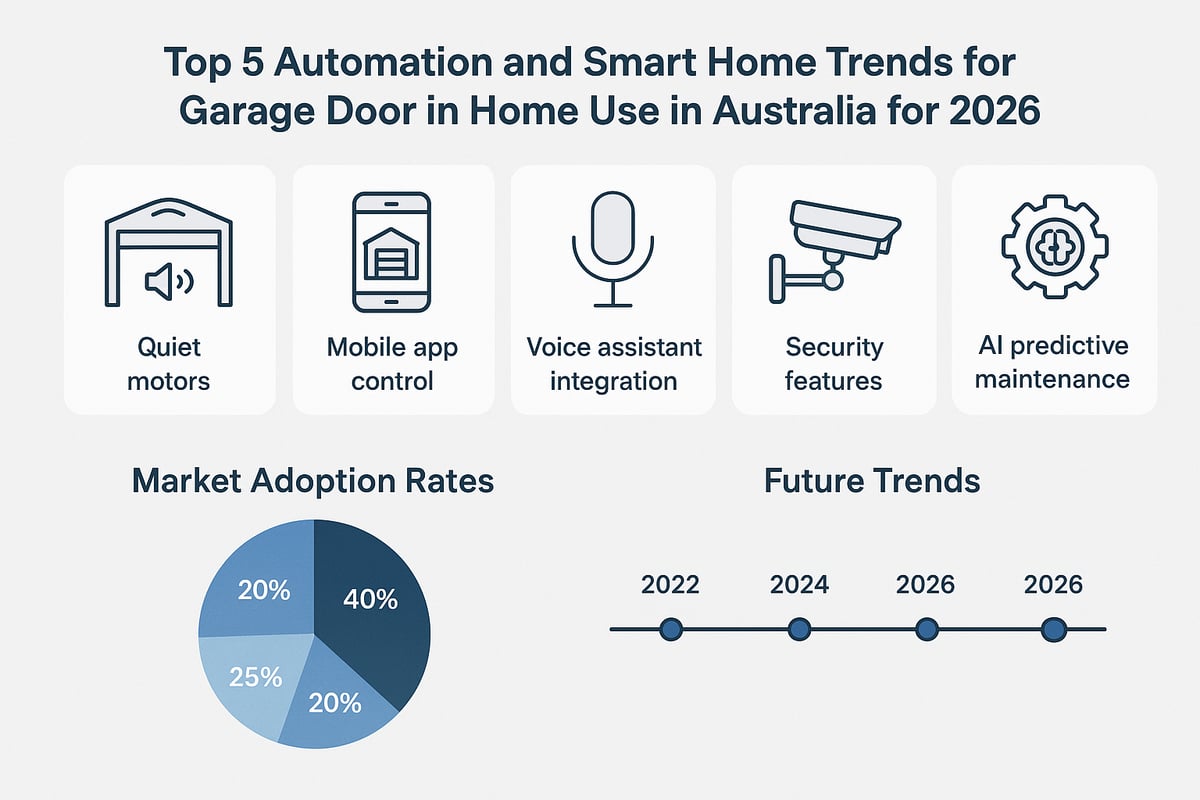
In 2026, advanced automation is redefining the garage door in home settings. Homeowners can choose from ultra-quiet motors, battery backup systems, and enhanced safety sensors. These technologies minimise noise and ensure operation during power outages, making them ideal for both urban and regional homes.
Remote and app-based controls now allow users to open, close, and monitor their garage door in home from anywhere. For example, smartphone-controlled openers let you check door status or grant access to visitors remotely. These features not only add convenience but also improve security for every garage door in home.
Smart Home Compatibility & Integration
Modern garage door in home systems are designed for seamless compatibility with leading smart home platforms. Integration with Google Home, Amazon Alexa, and Apple HomeKit enables voice commands and smart routines for daily use.
Geofencing technology allows the garage door in home to open automatically as you approach, while scheduled automation ensures the door is always closed at night. Imagine setting your garage door in home to lock itself after dark or when you leave your property. This level of integration elevates both convenience and peace of mind.
Security Upgrades with Automation
Security is a top priority for any garage door in home. Automated systems now feature rolling code technology, which generates a new access code with each use to prevent hacking. Auto-locking mechanisms and integrated video monitoring offer added layers of protection, while remote alerts notify homeowners of any unusual activity.
According to garage door industry statistics, homes using smart automation have seen up to a 30 percent decrease in garage break-ins. Investing in automation for your garage door in home is a proactive step toward safeguarding your property.
Accessibility & Convenience Features
The garage door in home is evolving to meet the needs of all family members, including the elderly and those with disabilities. Keyless entry systems, such as wireless keypads and fingerprint readers, offer secure, user-friendly access without traditional keys.
Voice activation and mobile app controls further simplify operation, making the garage door in home more accessible than ever. For example, a wireless keypad enables children to enter safely after school, while voice control assists those who may have difficulty with manual remotes.
Future Trends: AI and Predictive Maintenance
Looking ahead, artificial intelligence is set to revolutionise the garage door in home experience. AI-powered diagnostics can monitor system health, predict maintenance needs, and send alerts before problems arise.
Anticipated features for 2026 include self-lubricating tracks and automated maintenance reminders, ensuring the garage door in home remains reliable and efficient. These advancements will help homeowners save on repair costs and extend the lifespan of their garage door in home.
Step-by-Step Guide: Garage Door Installation Process
A successful garage door in home installation requires careful planning, the right tools, and a methodical approach. Whether you're a seasoned DIYer or working alongside a professional, following a clear process ensures safety and optimal performance. Let's break down each step to help you achieve a seamless result for your garage door in home project.
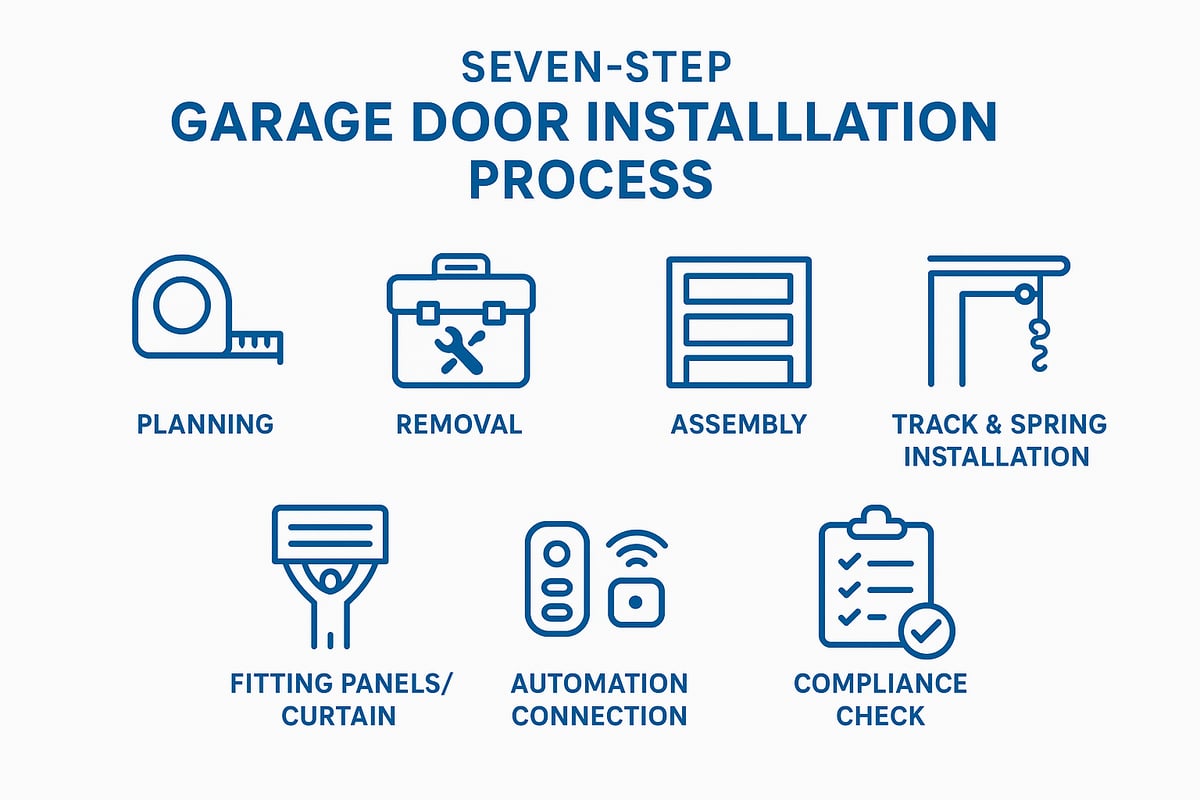
Pre-Installation Planning & Measurements
Before introducing a new garage door in home, start with a thorough site assessment. Measure the width and height of the opening, checking for adequate headroom, side room, and backroom. These dimensions are critical for selecting the right door type and ensuring smooth operation.
Create a checklist for planning:
- Confirm opening measurements
- Assess structural condition of frame
- Identify space for tracks and opener
Always review local council rules to confirm your garage door in home complies with Australian standards. Accurate planning now prevents complications later.
Removing the Old Garage Door (if applicable)
If replacing an existing garage door in home, safety is paramount. Gather essential tools such as a drill, spanners, and safety glasses. Disconnect any automation systems and ensure the door is unlocked.
Follow this removal process:
- Release the tension from the springs
- Detach the door from the opener
- Remove hinges and brackets
- Carefully lower and lift out each panel or curtain
Dispose of or recycle the old garage door in home responsibly. This clears the way for your new installation and supports a tidy workspace.
Assembling the New Garage Door
Lay out all parts and hardware before assembling your garage door in home. Inspect each component for damage and match them to the installation manual. Identify panel orientation, especially for sectional doors, as this affects fit and finish.
For a detailed walkthrough, the Installing a roller door guide is invaluable for homeowners tackling a roller garage door in home. Always assemble panels on a protected surface to avoid scratches or dents, and double-check alignment before securing with fasteners.
Installing Tracks, Springs, and Hardware
Mount vertical and horizontal tracks securely to the frame, ensuring perfect alignment for your garage door in home. Use a level to check for plumb and square positioning. Next, install torsion or extension springs, following all safety recommendations as spring tension can be hazardous.
Attach brackets and hinges, tightening all fasteners. A misaligned track can cause operational issues or damage the garage door in home, so take your time at this stage. Use manufacturer guidelines for torque settings and always wear eye protection.
Fitting the Door Panels or Curtain
Lift each panel or roll the curtain into position for your garage door in home. Secure hinges and brackets as you progress, checking that each section moves freely. For sectional doors, ensure weather seals and insulation are fitted correctly.
Tips for smooth fitting:
- Enlist a helper for heavy panels
- Use temporary supports if needed
- Test movement after each section
This careful approach ensures your garage door in home operates quietly and reliably from the start.
Connecting Automation and Safety Features
With the main structure in place, attach the garage door opener and link any required sensors. Position safety beams at the correct height to detect obstructions. Program remotes and integrate smart features if your garage door in home includes automation.
Test the auto-reverse mechanism by placing an object in the door's path. This critical step ensures your garage door in home meets safety standards and protects people and property.
Final Checks and Compliance
Finish by balancing the garage door in home, confirming it opens and closes smoothly by hand. Test the manual release in case of power failure. Review installation against Australian standards, especially if your home is in a cyclone-prone area.
Use a compliance checklist:
| Checkpoint | Completed (Y/N) |
|---|---|
| Door balanced | |
| Safety features tested | |
| Building code compliance | |
| Manual release functional |
A final inspection ensures your garage door in home is safe, compliant, and ready for years of reliable use.
Maintenance, Repairs & Longevity Tips
Keeping the garage door in home functioning optimally is essential for safety, security, and long-term value. Regular care can prevent costly repairs and ensure smooth operation year-round. Below, you will find practical advice on routine maintenance, troubleshooting, professional repairs, and extending the lifespan of your investment.
Routine Maintenance Checklist
A proactive approach to caring for the garage door in home begins with a regular maintenance routine. Every month, visually inspect the tracks, rollers, and hinges for dirt or debris. Clean these components to avoid premature wear and ensure the door moves freely.
Lubricate all moving parts such as springs, rollers, and hinges with a silicone-based spray. This reduces noise and extends the life of the mechanism. Annually, check the tension of cables and test the auto-reverse sensors to ensure they respond quickly to obstructions.
- Clean tracks and hardware monthly
- Lubricate moving parts
- Test auto-reverse and manual release
By following this checklist, homeowners can minimise unexpected issues and maintain the reliability of their garage door in home.
Common Garage Door Problems & Solutions
Even with regular care, the garage door in home may develop issues over time. The most frequent problems include noisy operation, uneven movement, and unresponsive openers. If the door sounds squeaky or grinds during use, lubrication or roller replacement often resolves the noise.
For uneven movement or sticking, check for debris in the tracks or misaligned sensors. Data shows that nearly 40% of service calls are due to sensor misalignment, which can be fixed by gently adjusting the sensors until the indicator lights align.
If the opener fails, start by replacing remote batteries and inspecting the power supply. For persistent issues, consult a qualified technician to avoid further damage to the garage door in home.
When to DIY vs. Call a Professional
Some maintenance tasks for a garage door in home are safe for DIY, while others should be left to experts. Homeowners can confidently clean tracks, lubricate parts, and replace weather seals. These tasks require minimal tools and basic knowledge.
However, repairs involving springs or cables are hazardous due to high tension. Attempting these repairs without proper training risks serious injury. Always engage a licensed technician for spring replacement or major hardware fixes.
- DIY: cleaning, lubricating, seal replacement
- Professional: spring repairs, cable adjustments, opener installation
Knowing when to call a professional protects both the garage door in home and your personal safety.
Extending Garage Door Lifespan
Maximising the life of a garage door in home depends on consistent care and timely upgrades. Use nylon rollers instead of metal for quieter, smoother operation. Apply protective coatings or sealant to timber doors annually to prevent moisture damage.
Consider upgrading to insulated panels, which not only improve durability but also enhance energy efficiency. According to Garage door insulation benefits, insulated doors can also reduce noise and help maintain comfortable temperatures inside the garage.
Regularly schedule inspections to catch minor issues early and avoid major repairs. These steps help maintain the appearance and performance of the garage door in home for years to come.
Warranty and Insurance Considerations
Understanding warranty and insurance coverage is important for every garage door in home. Most manufacturers offer warranties that cover defects in materials and workmanship for several years. Keep detailed records of installation and maintenance, as these may be required for warranty claims.
Australian consumer law provides additional rights, ensuring products meet reasonable quality standards. It is also wise to check your home insurance policy, as some cover damage to garage doors caused by storms, accidents, or vandalism.
Document every service and upgrade to simplify future claims. By staying informed, you safeguard your investment in the garage door in home and enjoy greater peace of mind.
Garage Door Costs, Value & Buying Tips (2026)
The cost of a garage door in home upgrades is a significant consideration for Australian homeowners in 2026. Modern doors offer more than just security – they boost curb appeal and can add real value to your property. Understanding the full picture, from initial outlay to long-term benefits, ensures you make a smart investment.
Price Ranges by Door Type & Material
When budgeting for a garage door in home renovations, pricing varies by type and material. Roller doors remain a budget-friendly favourite, while sectional and sliding doors offer greater design flexibility at a higher cost.
| Door Type | Average Installed Cost (2026) |
|---|---|
| Roller | $1,200–$2,500 |
| Sectional | $1,800–$4,000 |
| Tilt | $1,500–$3,200 |
| Sliding | $2,500–$5,500 |
Material choice also impacts price. Colorbond steel is widely used for its durability and value, while timber and composite doors come at a premium. Always factor in size, finish, and any custom options when comparing garage door in home costs.
Cost of Automation & Smart Features
Adding automation to your garage door in home setup can deliver real convenience and security. Standard openers start from $350, with premium smart systems reaching $800 or more. Features like app control, battery backup, and advanced sensors are becoming standard in 2026.
For a deeper look at market trends, review the Smart garage door openers market for data on growth and pricing. Smart upgrades may increase your upfront spend, but they can improve daily use and enhance property value in the long run.
Value for Money: Durability, Security & Resale
Choosing the right garage door in home projects can provide excellent value for money. Durable materials like Colorbond steel or insulated panels reduce maintenance and energy costs over time. Security features, such as wind ratings and reinforced locks, also protect your investment.
According to recent real estate reports, homes with new garage doors sell on average 4 percent faster. This highlights the tangible impact a modern garage door in home can have on curb appeal and buyer interest.
Tips for Buying & Comparing Garage Doors
Before selecting a garage door in home upgrades, ask suppliers these key questions:
- Is the door wind-rated for your region?
- What is included in the warranty and installation?
- Are smart automation features compatible with your home?
- Is after-sales support available for maintenance or repairs?
Always request certifications and check for compliance with Australian standards. Comparing multiple quotes and reading reviews will help you secure a garage door in home solution that balances cost, performance, and peace of mind.
After exploring the latest garage door trends, materials, and smart features for 2026, you can see how much value the right choice adds to your home’s security, style, and convenience. If you’re ready to take the next step and want a reliable, space saving option that’s perfect for most Australian homes, there’s never been a better time to make your decision. For a seamless upgrade that fits your needs and complements your lifestyle, you can buy a domestic roller door and start enjoying the benefits of a modern, expertly installed garage door today.