
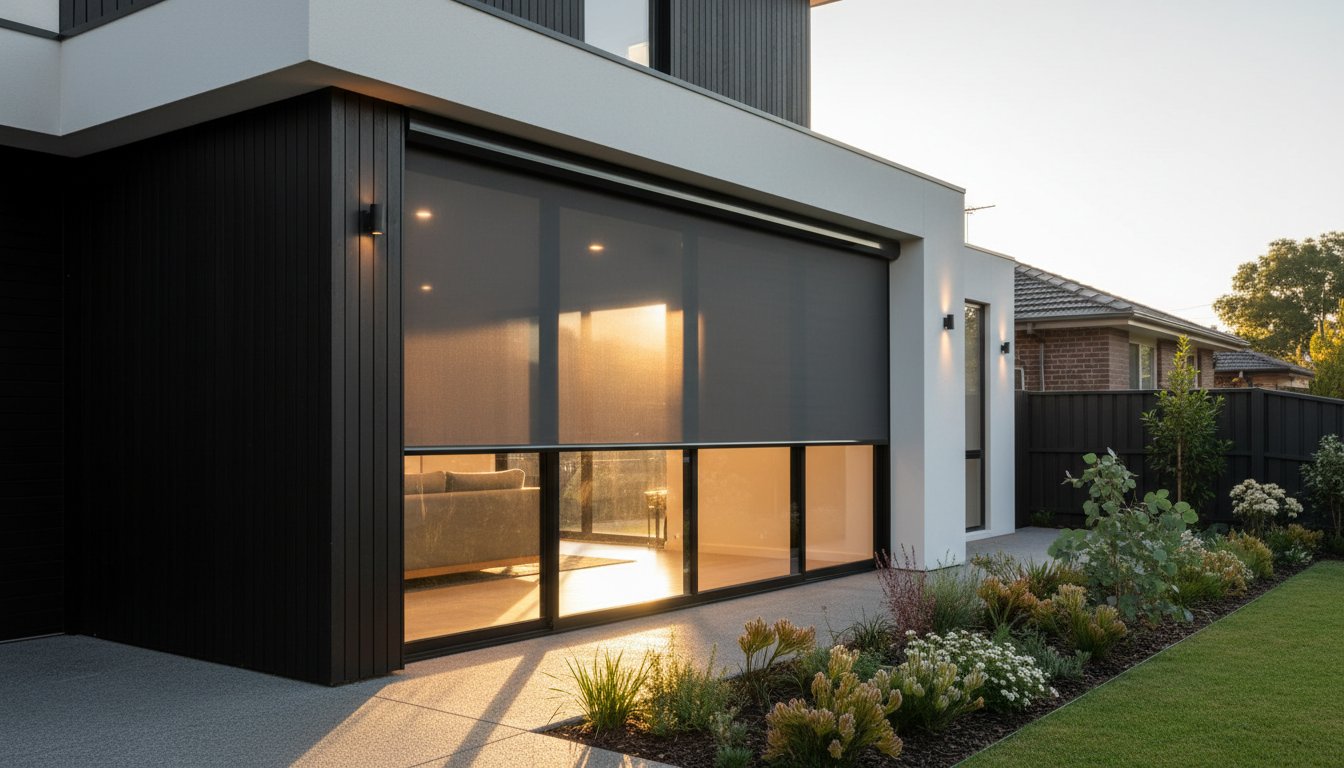
Are you looking for a practical solution to improve your property's security, reduce energy bills, or block out unwanted noise? For many Australian home and business owners, a well-chosen roller shutter is the definitive answer. They provide a robust physical barrier against intruders and harsh weather while significantly improving insulation and noise reduction, offering both peace of mind and long-term value.
For larger industrial settings, the automation can be more sophisticated. The motors and controls for heavy-duty shutters are often integrated with the facility's main control system, and it can be beneficial to explore Rockwell Automation PLCs and Drives options to manage these operations efficiently and safely.
This guide delivers all the essential information you need to make a confident decision. We cover the different types of roller shutters available, from residential window models to commercial-grade doors. You'll learn about the best materials, compare manual vs. electric operation, and understand the installation process and typical costs. Discover everything required to select the right roller shutter for your specific needs.
What is a Roller Shutter? (And How Is It Different from a Roller Door?)
A roller shutter is a robust covering for a window, door, or opening, constructed from many horizontal slats hinged together. For a detailed technical overview, it's useful to understand what a roller shutter is in its most basic form. When opened, the slats roll up into a compact box at the top; when closed, they provide a solid barrier for security against intruders, insulation from Australia's harsh climate, and control over light and noise.
To see how a typical installation works, watch this short video:
Roller Shutter vs. Roller Door: Key Differences
The terms "roller shutter" and "roller door" are often used interchangeably, but they refer to different products designed for different purposes. The primary distinction lies in their application, size, and construction. A roller door is built for large, vehicle-sized openings like garages, whereas a shutter is designed for smaller openings like windows, doorways, and serveries.
| Feature | Roller Shutter | Roller Door |
|---|---|---|
| Application | Windows, doorways, patios, commercial shopfronts, serveries. | Garages, warehouses, industrial sheds, large-span openings. |
| Typical Size | Smaller spans, typically up to 4-5 metres wide. | Large spans, often 3-5+ metres wide and designed for vehicle clearance. |
| Material & Slat Profile | Smaller, interlocking aluminium slats, often foam-filled for insulation. | Large, single-piece curtain of roll-formed, heavier gauge steel for strength. |
Core Components of a Roller Shutter System
Understanding the main parts of a roller shutter helps clarify how it functions. Each component plays a specific role in providing security and smooth operation.
- The Curtain & Slats: This is the main body of the shutter, formed by interlocking slats. Slats are typically made from roll-formed or extruded aluminium. Foam-filled profiles are common for providing excellent thermal and acoustic insulation.
- Guide Channels: These are the vertical tracks on either side of the opening that the curtain runs in. They hold the shutter securely in place, preventing it from being pried open and ensuring smooth movement.
- The Headbox: An aluminium enclosure mounted above the opening that houses and protects the curtain when it is rolled up. The size of the headbox is determined by the height of the shutter.
- Locking Mechanisms: Security is paramount. Manual shutters often feature a key-operated lock on the bottom bar. Motorised shutters provide security through the motor itself, which prevents the curtain from being lifted when in the down position.
The Main Types of Roller Shutters Explained
To find the right roller shutter for your business, it helps to understand the main categories they fall into. Shutters are typically classified in three ways: by their intended application, the material they are made from, and their method of operation. Breaking down the options this way makes it easier to select a product that meets your specific security, operational, and budget requirements.
Types by Application
The first step is to identify where the shutter will be used. Each application has different demands for durability, security, and size.
- Residential Shutters: Designed for homes, these are commonly fitted to windows, doors, patios, and even skylights. The focus is on providing security, insulation, and light control.
- Commercial Shutters: Used for business premises like shopfronts, reception counters, server rooms, and storage areas. These prioritise high security and durable access control.
- Industrial Shutters: These are heavy-duty solutions built for warehouses, factories, and loading docks. They are engineered for large openings, high-frequency use, and maximum strength.
For businesses with industrial sites, managing logistics extends beyond physical security. Ensuring staff and visitors can travel safely to and from these locations, which are often near major transport hubs, is another key consideration. For those operating in NSW, a reliable maxi taxi Sydney airport service can be an essential part of the puzzle.
Types by Material
The material directly impacts a shutter's weight, strength, and cost. Choosing the correct material is critical for meeting performance standards, such as those outlined in the DHF Code of Practice for manufacturing and installation.
- Aluminium: The most common material for residential and light commercial use. It is lightweight, corrosion-resistant, and often insulated with a foam core to improve thermal and acoustic properties.
- Steel: Heavier and significantly stronger than aluminium, steel is the standard for high-security commercial and industrial applications where deterring forced entry is the top priority.
- PVC/Vinyl: A less common, budget-friendly option. While not as strong as metal, PVC shutters are suitable for specific environments where security is not the primary concern, such as for counters or cabinets.
Types by Operation Method
How you open and close the shutter affects both convenience and cost. The choice depends on the shutter's size, weight, and your operational needs.
- Manual Operation: Includes simple mechanisms like a strap winder or a crank handle. This is a cost-effective solution for smaller shutters and requires no electrical connection.
- Motorised (Electric): Operated via a hard-wired wall switch or a remote control. This is the standard for larger shutters and offers maximum convenience.
- Battery Operated: A motorised system powered by a rechargeable battery. It provides the convenience of an electric motor in locations where connecting to mains power is difficult or impossible.
Beyond these technical specifications, most shutters are available in a wide range of finishes, including the popular Australian Colorbond® steel colour range, to match your building's aesthetic.
Key Benefits of Installing Roller Shutters
Beyond the technical definition of what a roller shutter is, the practical benefits are what drive their installation on commercial and residential properties. A roller shutter is not just a covering; it is a functional upgrade that provides measurable returns in security, energy efficiency, and property protection. These advantages directly address the primary concerns of property owners.
Enhanced Security and Peace of Mind
A roller shutter serves as a formidable physical barrier and a strong visual deterrent to potential intruders. Its construction is key to its effectiveness:
- Interlocking Slats: The aluminium slats are designed to lock together, making them extremely difficult to pry apart from the outside.
- Secure Guide Channels: The shutter curtain is held securely within deep guide channels on either side, preventing it from being lifted or forced out of its tracks.
This robust system provides a reliable first line of defence for windows and doorways on storefronts, warehouses, and homes.
Superior Insulation and Energy Savings
Modern aluminium roller shutters often feature slats injected with polyurethane foam. This core creates an effective thermal barrier over the glass, significantly reducing heat transfer. This insulation can reduce heat gain by up to 90% in summer and prevent heat loss by up to 70% in winter. The direct result is lower reliance on air conditioning and heating systems, leading to tangible savings on energy bills.
Effective Noise and Light Control
The same insulated construction that blocks thermal energy also provides excellent acoustic insulation, noticeably reducing the intrusion of external noise from traffic, neighbours, or weather. When fully closed, shutters offer near-total light blockout. This is ideal for shift workers needing to sleep during the day, home theatres requiring darkness, or simply achieving precise control over privacy and ambient light levels.
Storm, Hail, and Bushfire Protection
In the Australian climate, external shutters provide critical protection against severe weather. They shield glass from high winds and flying debris during storms and can prevent costly window damage from hail. For properties in bushfire-prone regions, specially rated shutters can offer protection against radiant heat and flying embers, often specified to meet certain Bushfire Attack Level (BAL) ratings.
How to Choose the Right Roller Shutter for Your Needs
Selecting the correct roller shutter is a process of matching the product to the problem. To ensure you get the best value and performance for your business, follow this straightforward, three-step process. This guide will help you define your requirements and make an informed decision before you buy.
Step 1: Define Your Primary Goal
The first step is to identify the main reason you need a roller shutter. Is it for security, insulation, or weather protection? Your primary goal directly influences the best material and design for your application.
- For Security: Choose high-strength materials like extruded aluminium or steel. These are designed to resist forced entry and vandalism, making them ideal for storefronts, warehouses, and vulnerable access points.
- For Insulation & Noise Reduction: Look for foam-filled aluminium slats. The polyurethane foam core provides excellent thermal and acoustic insulation, helping to manage energy costs and reduce external noise from traffic or industrial activity.
- For Storm & Cyclone Protection: In high-wind areas, specific wind-rated or cyclone-safe shutters are essential. These are engineered and tested to meet strict Australian standards for cyclonic regions, protecting glass and property from flying debris.
Step 2: Choose an Operating System
How you operate your shutter impacts daily convenience and upfront cost. Your choice depends on the shutter's size, location, and who will be using it.
- Manual Operation: A cost-effective solution for smaller shutters, such as those on service windows, canteens, or domestic applications. Options typically include spring-assisted push-pull or crank-handle mechanisms.
- Motorised Operation: The standard for convenience, especially for large doors, hard-to-reach windows, or if you need to operate multiple shutters at once. Motorisation allows for remote control or wall switch operation and is the best option for elderly users or those with limited mobility.
Step 3: Measure Your Opening Accurately
As a supply-only service, providing correct measurements is critical for a successful DIY installation. An inaccurate measurement can lead to a product that doesn't fit, causing delays and extra costs. All our products are made to order based on the dimensions you provide.
You will need to measure the height and width of the clear opening. You also need to determine if the shutter will be a 'reveal fit' (inside the opening) or a 'face fit' (on the wall outside the opening), as this affects the final dimensions required. For precise instructions, see our detailed guide on how to measure for a roller door.
DIY Installation vs. Professional Fitting: What to Consider
Door Supply is a supply-only service. This model allows us to offer high-quality, Australian-made products at great prices by putting you in control of the installation. For many businesses, a DIY approach is a straightforward and cost-effective way to secure your premises. However, it's important to assess whether it's the right path for you or if hiring a local professional is a better option.
This guide helps you decide if you are equipped to handle the installation of your new roller shutter yourself.
Assessing Your DIY Skills and Tools
A successful DIY installation depends on having the right equipment and a good level of practical skill. Before ordering, ensure you are comfortable with the following and have the necessary tools on hand.
- Essential Tools: You will generally need a power drill with appropriate bits, a spirit level, a quality tape measure, a set of screwdrivers, and a sturdy ladder or scaffold for working at height.
- Required Skills: You should be confident in taking precise measurements, drilling into surfaces like brick or steel, and capable of safely lifting heavy components with assistance.
- Safety First: Always prioritise safety. If your installation involves any electrical hard-wiring for a motorised shutter, you must use a licensed electrician as required by Australian law.
The Benefits of a DIY Approach
For those with the skills and tools, installing a roller shutter yourself offers significant advantages. The primary benefit is the cost savings, as you eliminate professional installation fees which can amount to hundreds of dollars. You also gain the flexibility to complete the project on your own schedule, without needing to coordinate with a contractor. Our products come with full installation instructions to guide you through the process.
When to Hire a Professional Installer
A DIY installation isn't suitable for everyone. We strongly recommend hiring a qualified local tradesperson or specialist installer in certain situations. If you lack the time, necessary tools, or confidence to complete the job safely and correctly, it's best to call a professional. This is especially true for very large, heavy, or complex industrial installations that require specialised lifting equipment and expertise. Remember, for any new motor that needs to be wired directly into your mains power, a licensed electrician is not just recommended-it's a legal requirement.
Find Your Ideal Roller Shutter Solution
From enhancing security to providing superior insulation and weather protection, it’s clear that a high-quality roller shutter is a powerful addition to any property. This guide has shown that the key to a successful installation lies in understanding your options-from domestic to industrial-grade materials and manual to electric operators. Choosing the correct model based on your specific opening, security needs, and budget ensures you get a functional, durable, and long-lasting solution. Whether you plan a DIY fit or hire a professional, starting with the right product is the most important step.
Ready to find the perfect fit? Door Supply provides a complete range of practical, hard-wearing solutions. All our products are Proudly Australian Made and can be custom-made to your exact size. With Nationwide Delivery to Your Door, getting the right gear is straightforward and efficient. View our range of Australian-made roller doors and shutters and order the exact specifications you need today.
Frequently Asked Questions
How much do roller shutters cost in Australia?
The cost varies based on size, material, and operation type (manual vs. motorised). For a standard business window, expect to pay between A$900 and A$2,000. Larger commercial installations for shopfronts or warehouses can range from A$2,500 to over A$6,000, depending on the required security level and dimensions. It is always best to get a quote based on your specific measurements and feature requirements.
Are roller shutters effective for blocking out heat and cold?
Yes, highly effective. Quality aluminium roller shutters are injected with polyurethane foam, which acts as an insulator. This creates a thermal barrier that can reduce heat gain through your windows by up to 90% in summer and prevent heat loss by up to 70% in winter. This improves energy efficiency for your business and can lead to significant savings on heating and cooling costs.
Can roller shutters be installed on any type of window or door?
In most cases, yes. Roller shutters are custom-made and can be fitted to almost any commercial window, glass door, or shopfront. They can be installed on various building materials, including brick, concrete, and steel frames. Some complex architectural designs or areas with very limited clearance might require a specialised fitting solution. A professional assessment will confirm the best mounting method for your property.
How long do aluminium roller shutters typically last?
A well-maintained, high-quality aluminium roller shutter has a typical lifespan of 20 years or more. Durability is influenced by the quality of the installation, frequency of use, and environmental factors like proximity to the coast. Following the manufacturer’s guidelines for regular cleaning and basic maintenance is crucial to ensuring a long and reliable operational life for the product.
Are motorised roller shutters noisy to operate?
Modern motorised roller shutters are engineered for quiet performance. They use high-quality tubular motors that produce a low, consistent hum, which is generally not disruptive in a commercial setting. The sound is minimal and far quieter than older models. Any loud grinding or squealing noises usually indicate a maintenance issue, such as debris in the tracks or a problem with the motor.
What maintenance do roller shutters require?
Maintenance is minimal. The most important task is to keep the shutter slats and guide rails clean. Use a soft cloth and a mild detergent with water to wipe away dirt, dust, and grime every few months. This prevents build-up that can obstruct movement and cause wear. A professional service every 2-3 years is also recommended to inspect the motor and mechanical parts.